
Hoofstuk 1: Die Beginsels: Hoe werk Sak-op-Waarde?
Wat is Sak-op-Waarde (Sak-op-Waarde)-tegnologie?
Sak-op-Waarde (Sak-op-Waarde)-tegnologie is 'n gevorderde verpakkingstelsel wat 'n vloeibare produk fisies van sy dryfmiddel skei. Die produk word veilig onder vakuum in 'n veelvlakkige sakkie (die sak) versegel, terwyl ekologies-vriendelike gekomprimeerde lug of stikstof die omringende blik vul en die sakkie saampers om die suiwer produk voortdurend te versprei.
Om te visualiseer hoe 'n sak-op-waarde-stelsel werk, stel jou 'n tandepastabuisie voor wat binne-in 'n metaalblik weggesteek is. In plaas van jou hande te gebruik om die buisie saam te pers, word die blik met gedruk lug gevul. Wanneer jy op die spuitknoppie druk, tree daardie vasgevange lug op soos 'n onsigbare hand wat van buite af die sak saampers en die produk daaruit dwing.
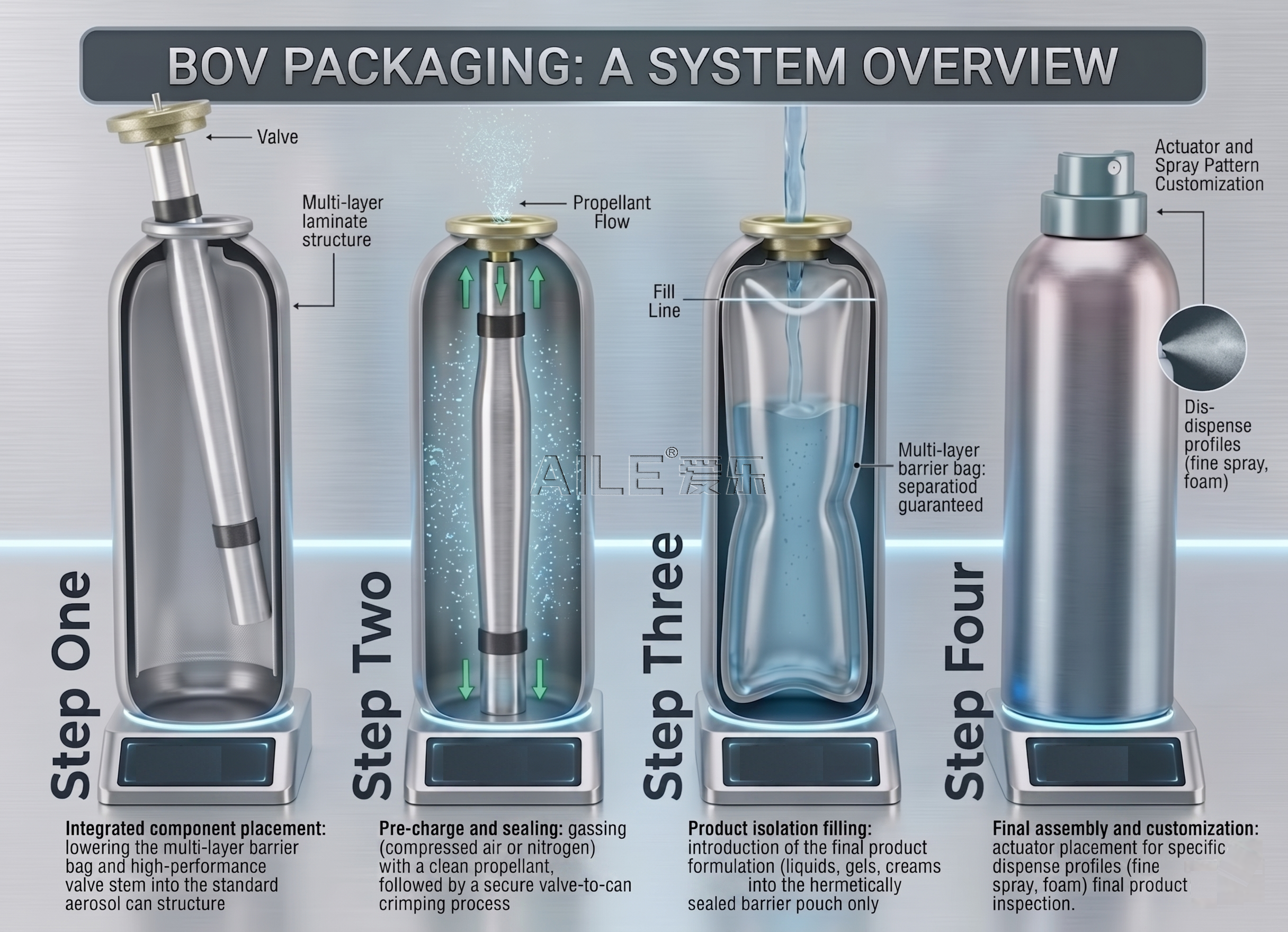
Soms in die bedryf verwys na as 'n sakkie-in-klep, verseker hierdie slim spertydstuk dat die gas en die produk nooit werklik meng nie. Hierdie eenvoudige maar diepgaande verandering in meganika los baie van die besmettings- en veiligheidskwessies op wat met ouer spuitblikkies geassosieer word, en skep die pad vir die moderne BOV-aërosolprodukte wat ons vandag gebruik.
Hoofstuk 2: BOV teenoor Tradisionele Aërosol: Wat is die Verskil?
Vir dekades was die standaard aërosolblikkie die enigste manier om 'n aanhoudende spuit te skep. Tradisionele stelsels meng egter die aktiewe bestanddele direk met vloeibare chemiese dryfmiddels (dikwels hoogs ontvlambare gasse soos butaan of propaan).
Hier is 'n reguit oorsig van hoekom vervaardigers en verbruikers na die sakkie-op-klep-stelsel beweeg:
| Kenmerk | Tradisionele Aërosol | Sakkie-op-Klep (BOV) |
|---|---|---|
| Dryfmiddel-tipe | Ontvlambare koolwaterstofgasse (butaan, propaan, ens.). | Omgewingsvriendelike saamgepers lug of stikstof. |
| Produk suiwerheid | Gemeng met chemikalieë; risiko van verdunning of verandering. | 100% suiwer; geïsoleer in 'n FDA-goedgekeurde vakuum-sakkie. |
| Uitgaanshoek | Moet regop gehou word; kanteling veroorsaak dat gas ontsnap. | Ware 360-gradus kontinue spuit, selfs onderstebo. |
| Temperatuur | Veroorsaak dikwels 'n koel, verkoelende sensasie op die vel. | Spuit gerieflik by kamertemperatuur. |
| Produktvermorsing | Laat dikwels 10–15% van die produk binne vas. | Leeg tot 99,5% van die produk, wat die waarde maksimeer. |
Hoofstuk 3: Alledaagse toepassings: Waar gebruik ons BOV-verpakking?
Aangesien dit formules onbesoedel en vry van chemiese dryfmiddels behou, het sak-op-klepverpakking stilweg die rakke in supermarkte en apteke oorgeneem. Sy veelsydigheid laat dit toe om alles van fyn newels tot dik geels te versprei.
Kosmetika & Persoonlike Sorg: Premier sonbeskermers, gesigtoners, skeergels en selfbruinmakerlotions gebruik BOV om te verseker dat die velversorgingsbestanddele nie deur gasse besoedel word nie. Die 360-gradus-spuit is veral nuttig vir die aanbring van sonbeskerming op moeilik-toeganklike areas.
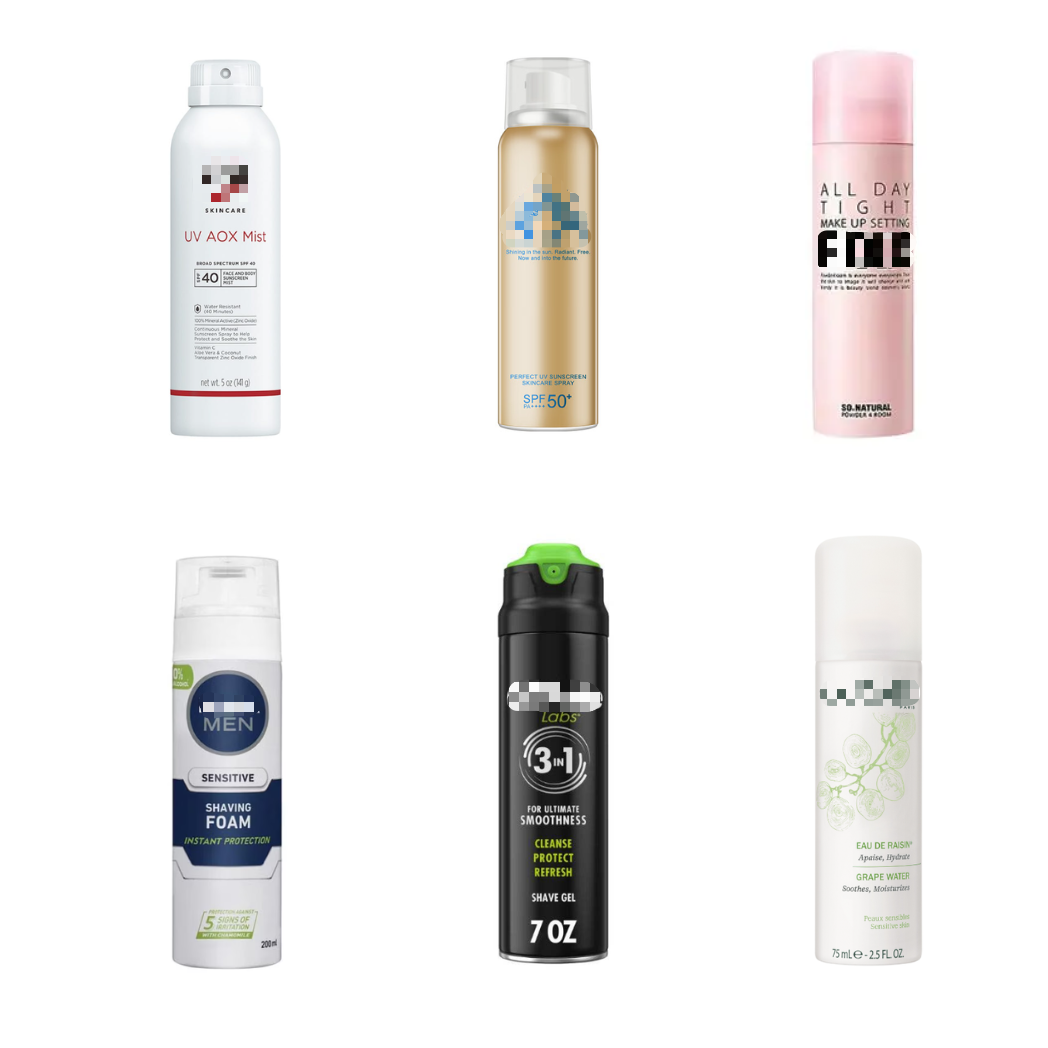
Gesondheidstoor & Farmaseutiese produkte: Steriele produkte soos soutwaterneusspuiters, wondbaddings en eerstehulpbrandspuiters is sterk afhanklik van BOV. Die vakuum-sak hou bakterieë buite en handhaaf absolute sterielheid sonder die gebruik van harde kunsmatige bewaarmiddels.
Voedsel en drank: Het u al ooit 'n aanhoudende kookolie-spuiter of 'n vloeibare smaakmiddel-nevel gebruik nie? Aangesien die saamgepers lug nooit die kos raak nie, laat BOV hierdie eetbare olies 100% suiwer bly, wat hul natuurlike smaak behou en hul houbaarheid verleng.
Huishoudelik & Industrieel: Van omgewingsvriendelike lugverskooners tot vloeibare brandblussers en elektroniese skoonmaakmiddels bied BOV 'n veiliger, nie-vlambaar verspreidingsmetode vir die huis.
Hoofstuk 4: Die vervaardigingskant: Hoe word BOV-produkte gevul?
Alhoewel die konsep maklik om te verstaan is, is die vervaardiging van 'n BOV-aërosol 'n wonder van moderne ingenieurswese. Aangesien die sak aan die klep vasgelas is, kan jy nie net die vloeistof instort en die blik toemaak nie.
Die vulproses vind eerder plaas volgens 'n hoogs gesinchroniseerde reeks stappe:
1. Invoeging: Die leë sak en klepoppstelling word in die metaalkan laat val.
2. Onder-koppie-gassing: Die masjien lig die klep effens op, spuit hoëdruk-lug of -stikstof in die kan (rondom die buitekant van die sak) en knip die klep onmiddellik toe.
3. Drukvolmaking: Die vloeibare produk word dan onder hoë druk direk deur die klein klepstam gedwing, wat die sak binne-in die reeds onder druk staande kan laat uitsit.
Om dit veilig te bereik teen 'n tempo van dosyne of honderde kanne per minuut, vereis mikroskopiese presisie. Dit is waar gespesialiseerde ingenieurswerk in speel kom. Agter die skerms ontwerp en bou nywerheidspesialiste soos Guangzhou Aile Outomatiseringstoerusting Maatskappy, Beperk die gesofistikeerde meganiese toerusting wat dit moontlik maak. In plaas daarvan om net dele saam te voeg, verskaf hulle Volledige Oplossings vir Kosmetiese & Aerosoolproduksie , wat verseker dat elke stap — vanaf die meng van die rouformule tot by die hoëdruk-gasinspuiting en finale gewigscontroles — sonder probleme verloop.
Hoofstuk 5: Die Toekoms van Ekologies-Vriendelike Verpakking & Volledige Oplossings
Namate wêreldwye regulasies rondom Vlugtige Organiese Verbindings (VOS'e) strenger word en verbruikers skoner, meer volhoubare produkte eis, verteenwoordig Bag on Valve-tegnologie die toekoms van verpakking. Deur skadelike koolwaterstofdryfstowwe uit te skakel en hoogs herwinbare aluminiumblikkies te gebruik, verminder BOV die koolstofvoetspoor van alledaagse spuitmiddels aansienlik.
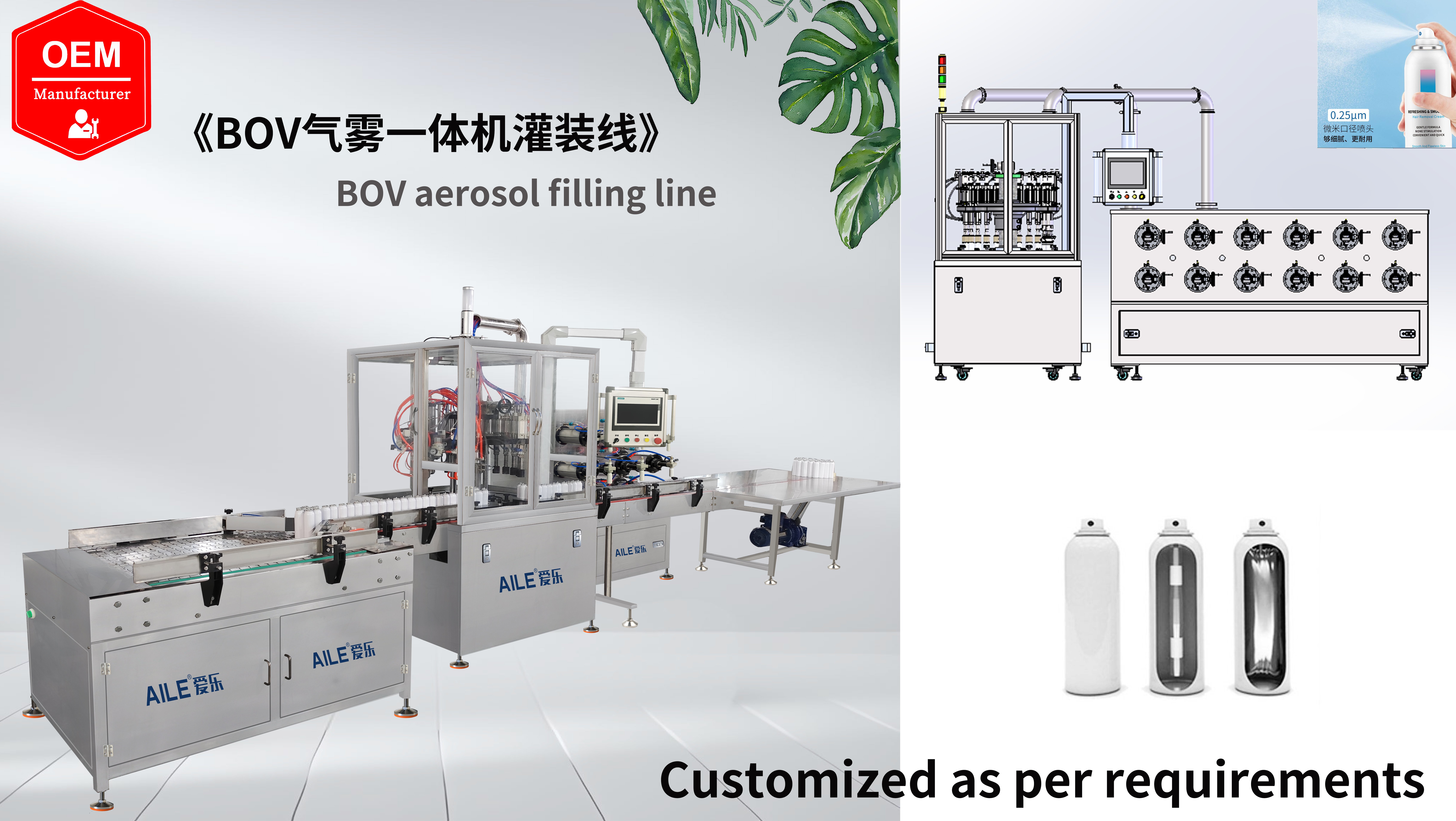
Die oorgang van 'n hele bedryf na hierdie groener standaard vereis betroubare infrastruktuur. Dit is die innovering van spesialiseerde vervaardigers soos Guangzhou Aile Outomatiseringstoerusting Maatskappy, Beperk — wat lewer Volledige Oplossings vir Kosmetiese & Aerosoolproduksie — wat globale handelsmerke bemagtig om uitgediende chemiese spuitprodukte agter te laat. Deur die naadlose integrasie van BOV-tegnologie kan handelsmerke nou produkte aanbied wat veiliger vir die omgewing is, gesonder vir die verbruiker en doeltreffender as ooit tevore.
Werk u vervaardigingslyn op na BOV-tegnologie
Soek u betroubare Sak-op-klep-vulmasjiene of geïntegreerde kosmetiese verpakkingsoplossings? Neem vandag nog kontak op met ons tegniese ingenieurs vir pasgemaakte projekkonfigurasies en fabriekskoers.
Kry 'n Volledige Oplossingsaanbieding