
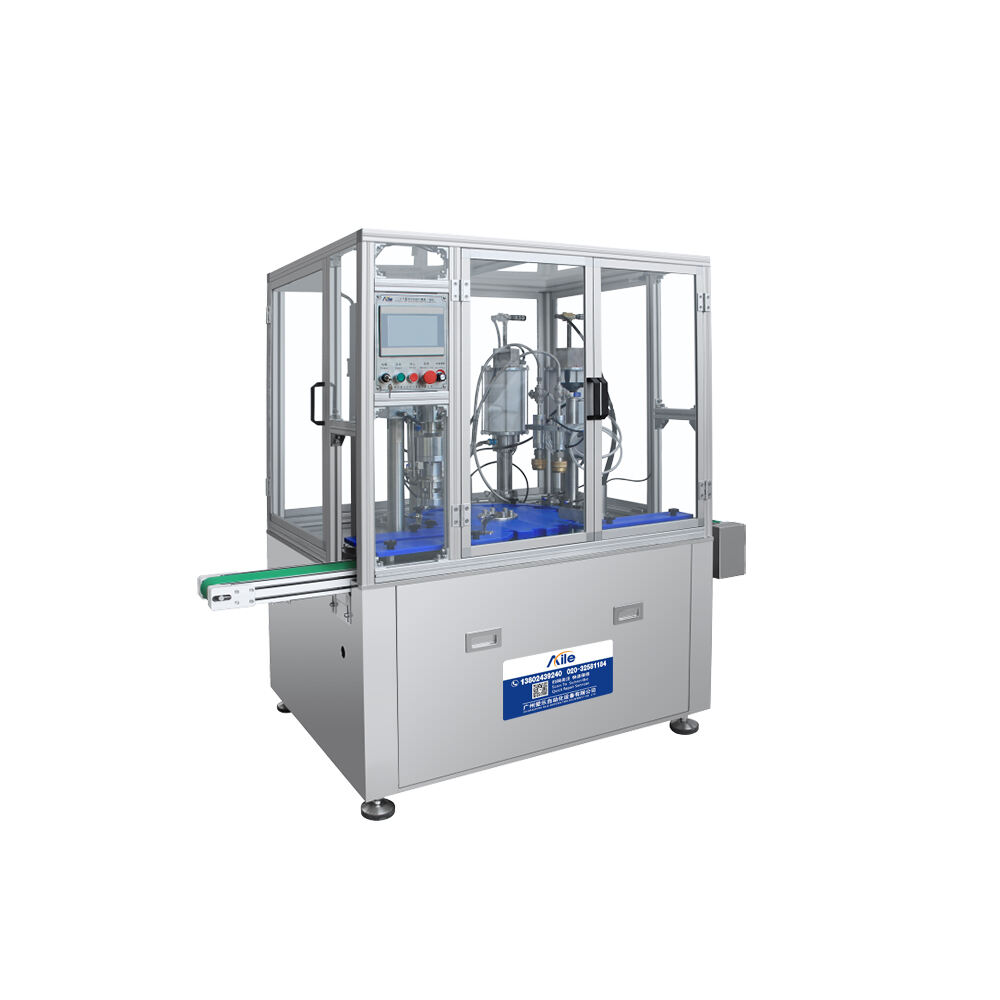
چگونه مایعات اسیدی تخریب دستگاههای استاندارد پرکننده مایع را تسریع میکنند
مکانیسم خوردگی: حمله الکتروشیمیایی مبتنی بر pH به پوستههای پمپ، شیرها و نازلهای پرکننده
هنگامی که مایعات اسیدی در طول عملیات پرکردن معمولی با سطوح فلزی تماس پیدا میکنند، فرآیندهای خوردگی الکتروشیمیایی را آغاز میکنند؛ زیرا یونهای هیدروژن (H+) با این سطوح واکنش نشان میدهند. این حمله معمولاً از نقصهای ریز موجود در پوستههای پمپ و اطراف نشیمنگاههای شیرها آغاز میشود؛ جایی که یونهای کلرید تمایل به تجمع دارند و مناطق کوچکی با محیطی خورنده ایجاد میکنند. برای محلولهایی با pH کمتر از ۳، بر اساس تحقیقات منتشرشده توسط انستیتوی بینالمللی NACE در راهنمای ۲۰۲۳ خود درباره کنترل خوردگی تجهیزات فرآیندی، خوردگی نقطهای با سرعتی بیش از ۰٫۵ میلیمتر در سال، لایههای محافظ اکسیدی را سوراخ میکند. آسیب ناشی از پاشیدن اسید، روند نازکشدن دیوارههای نازلهای پرکننده را تسریع میکند که منجر به ضعیفشدن درزگاهها و در نهایت بروز نشتی میشود. اساساً سه روش اصلی برای رخ دادن این خرابیها وجود دارد:
- خوردگی گالوانیک الектروشیمیایی، ناشی از تفاوتهای پتانسیل الکتریکی بین فلزات ناهمگن در مجموعههای شیر
- خوردگی شکافی محلی، در شیارهای واشرهای O-شکل، اتصالات فلنجی و اتصالات ر threaded
- خوردگی-فرسایش ، در مناطق سرعت بالا مانند آرنجهای تخلیه و پروانههای پمپ تشدید میشود
انتخاب فولاد ضدزنگ اهمیت دارد: چرا فولاد ضدزنگ ۳۱۶ از فولاد ضدزنگ ۳۰۴ عملکرد بهتری دارد — و زمانی که آلیاژهای پیشرفته مانند هستلویی یا قطعات پوششدار با PVDF ضروری هستند
فولاد ضدزنگ استاندارد ۳۰۴ برای اکثر مواد خنثی یا کمی اسیدی مناسب است، اما هنگام کار با اسیدهای قویتر، نیاز به مادهای بهتر داریم. ارتقاء این ماده به صورت فولاد ضدزنگ ۳۱۶ انجام میشود که حدود ۲ تا ۳ درصد مولیبدن به آن اضافه شده است. این ویژگی مقاومت این ماده در برابر خوردگی نقطهای را نسبت به فولاد معمولی ۳۰۴ حدود ۳۵ درصد افزایش میدهد. این امر در عمل چه معناست؟ یعنی هنگام کار با موادی مانند سرکه یا محصولات حاوی مرکبات در فرآیندهای بطریبندی، تجمع کلرید کمتری رخ میدهد. با این حال همچنان محدودیتی وجود دارد. هنگام مواجهه با اسیدهای معدنی بسیار تهاجمی مانند اسید هیدروکلریک یا اسید سولفوریک در غلظتهایی که pH به زیر ۱٫۵ کاهش یابد، حتی فولاد ضدزنگ ۳۱۶ نیز بهسرعت از حد مطلوب (بیش از ۱٫۲ میلیمتر در سال) تخریب میشود. در این حالت، تولیدکنندگان مجبورند به جای آن از گزینههای تخصصیتری استفاده کنند.
| متریال | سازگاری با اسید | ماکسیمم دمای مجاز | مزیت کلیدی |
|---|---|---|---|
| هستلوی C-276 | HCl، H₂SO₃، HNO₃ | ۱۹۰°C | محتوای ۶۵ درصدی نیکل از تردی هیدروژنی جلوگیری میکند |
| فولاد پوششدار با PVDF | HF، اسید فسفریک | 140°C | بازدارنده فلوروپلیمر از تبادل یونی و فرار آهن جلوگیری میکند |
| تیتانیوم گرید-۷ | اسیدهای اکسیدکننده (مانند اسید نیتریک) | 300°C | لایه اکسیدی غیرفعال خودترمیمشونده، پایداری بلندمدت را تضمین میکند |
برای خطوط اسید فسفریک، قطعات پوششدار از PVDF هزینه مواد را نسبت به آلیاژهای عجیب و غریب کامل ۴۰٪ کاهش میدهند و همزمان آلودگی آهن را حذف میکنند — عاملی حیاتی در کاربردهای دارویی و مواد غذایی. همیشه گواهیهای آلیاژ را از طریق گزارشهای آزمون کارخانه تأیید کنید، بهویژه برای سیستمهای اسید سولفوریک که آلودگی فولاد کربنی میتواند باعث بروز تورم هیدروژنی فاجعهبار شود.
خطرات نظارتی و ایمنی استفاده از تجهیزات مقاوم در برابر خوردگی نداشتن دستگاههای پرکن مایع
مایعات اسیدی زمانی که تجهیزات استاندارد پرکردن مایع از مقاومت مناسب در برابر خوردگی برخوردار نباشند، خطرات جدی نظارتی و ایمنی ایجاد میکنند. سطوح خیسشده خوردهشده، یونهای فلزی را به محصولات وارد میکنند و با الزامات سازمان غذا و دارو (FDA) در تضاد بوده و سلامت مصرفکننده را به خطر میاندازند — که میتواند منجر به بازپسگیری محصولات، دعاوی قضایی و تعطیلی مجتمع تولیدی شود.
نشت و آلودگی: عدم انطباق با FDA 21 CFR §177.2600 ناشی از سطوح خیس خورده
مقررات سازمان غذا و داروی آمریکا (FDA) مطابق بند ۲۱ CFR §177.2600 اساساً بیان میکند که سطوح تماس با مواد غذایی نباید اجازه دهند موادی در حین عملیات عادی به محصولات نفوذ کنند. مایعات اسیدی بهویژه زمانی که تجهیزات برای مقاومت در برابر آنها طراحی نشدهاند، بهطور شدیدی به شیرها، نازلها و بدنه پمپها حمله کرده و باعث میشوند کروم، نیکل و آهن وارد محصول در حال پردازش شوند. اکثر این مشکلات ناشی از استفاده از فولاد ضدزنگی غیرمطابق با مشخصات یا قطعات لاستیکی است که برای این کار آزمایشهای لازم را ندیدهاند. بهعنوان مثال، اسید سیتریک تمایل دارد فولاد ضدزنگ ۳۰۴ استاندارد را بسیار سریعتر از آنچه پیشبینی میشود تخریب کند، بهویژه در گوشههای تیز یا هنگام تغییرات مکرر دما. ذرات فلزی بهسرعت پس از شروع عملیات در جریان محصول ظاهر میشوند. جایگزینی فولاد ضدزنگ ۳۱۶ یا مواد با درجه بالاتر، بدون نیاز به تغییرات اساسی در نحوه عملکرد تجهیزات روی خط تولید، این مشکلات را از بین میبرد؛ هرچند گاهی مهندسان نصبکننده تأسیسات نیاز به اقناع دارند، چرا که هزینه اولیه بهنظر بالا میرسد تا اینکه صرفهجویی بلندمدت ناشی از کاهش توقفهای تولید و مشکلات کیفیت را مشاهده کنند.
پیامد واقعی در دنیای واقعی: بازگرداندن محصولات به ارزش ۲٫۴ میلیون دلار آمریکا به دلیل تخریب واشرهای EPDM در خط تولید نوشیدنیهای حاوی اسید سیتریک
در سال ۲۰۲۳، مشکل بزرگی در بازار نوشیدنیهای مرکبات رخ داد که منجر به بازگرداندن محصولاتی به ارزش ۲٫۴ میلیون دلار شد؛ زیرا واشرهای EPDM در خط تولید اسید سیتریک دچار تخریب شده بودند. این واشرها دچار متورمشدن و ترکخوردن شدند که اجازه داد ذرات مختلف و همچنین میکروارگانیسمها وارد محصول شوند و در نتیجه سازمان غذا و داروی آمریکا (FDA) اقدام به بازگرداندن درجه دوم (Class II) کرد. این اتفاق نشان میدهد که تصمیمات ظاهراً جزئی درباره مواد—مانند نوع واشری که انتخاب میشود—میتوانند در بلندمدت پیامدهای بسیار جدی هم از نظر قانونی و هم از نظر مالی ایجاد کنند. امروزه شرکتها واقعاً باید مسائل خوردگی را در تمامی اجزای سیستم جدی بگیرند؛ یعنی نه تنها قطعات فلزی واضحی که مستقیماً با مایعات تماس دارند را بررسی کنند، بلکه واشرها، لولههای انعطافپذیر (hoses) و حتی تکیهگاههای سازهای که شاید تنها در معرض بخارات قرار میگیرند را نیز مورد ارزیابی قرار دهند. تمامی این اجزا باید در شرایط واقعی عملیاتی و در برابر مواد شیمیایی و شرایطی که در طول کار با آنها روبرو خواهند شد، بهطور مناسب آزمایش شوند.
ویژگیهای طراحی که ماشین پرکننده مایعات با مقاومت واقعی در برابر خوردگی را تعریف میکنند
مواد آببند و واشر: پرفلوروالاستومرهای مطابق با استاندارد FDA (FFKM) در مقابل EPDM/NBRهای مستعد خوردگی
صحت و سلامت درزبندیها بهعنوان اولین مانع ما در برخورد با مایعات اسیدی محسوب میشوند؛ با این حال، این جنبه در عمل بارها نادیده گرفته میشود. مواد رایجی مانند EPDM و NBR بهطور مؤثر نمیتوانند در شرایط pH پایین و برای دورههای طولانی مقاومت کنند. تنها در عرض چند هفته، این الاستومرهاي رایج شروع به متورمشدن، ترد شدن یا ایجاد ترک میکنند. این امر منجر به مشکلات گوناگونی از جمله نشت، آزاد شدن ذرات درون تجهیزات و در نهایت عدم حفظ استانداردهای مناسب بهداشت و سلامت میشود. در مقابل، پرفلوروالاستومرها (FFKM) داستانی کاملاً متفاوت را روایت میکنند. این مواد پیشرفته حتی در مواجهه با محیطهای بسیار سخت — مانند محلولهای غلیظ اسید سولفوریک یا اسید هیدروکلریک — شکل خود را حفظ کرده و در برابر مواد شیمیایی مقاومت میکنند. عامل اصلی کارایی بالای آنها چیست؟ ساختار مولکولی فلوئوردار ویژهشان از نفوذ و تخریب مواد در طول زمان جلوگیری میکند؛ بنابراین این مواد بهطور مداوم نیازمندیهای FDA 21 CFR §177.2600 را برآورده میکنند و از خروج ذرات ناخواسته به محصولات جلوگیری مینمایند. البته قیمت اولیه FFKM حدود ۸۰٪ بیشتر از گزینههای استاندارد EPDM است، اما باید به تصویر کلی توجه کرد. تأسیساتی که با اسیدهای خورنده سروکار دارند گزارش دادهاند که عمر FFKM تقریباً بیست برابر بیشتر از مواد رایج است و نیاز به تعویض دیرتر اتفاق میافتد. بر اساس تحقیق اخیر مؤسسه پونئوم درباره هزینههای خوردگی در عملیات بستهبندی (مطالعه ۲۰۲۳)، این افزایش عمر در عملیات مقیاس بزرگ، صرفهجویی تقریبی ۷۴۰٬۰۰۰ دلار آمریکا در سال را فقط در هزینههای نگهداری و تعمیرات بهدنبال دارد.
معماری بسته با حفاظت از بخارات: شستوشو دهندههای یکپارچه و هودهای فشار منفی برای خطوط اسید فسفریک/نیتریک
اسیدهایی مانند اسید نیتریک و اسید فسفریک، بخارات خورندهای تولید میکنند که به قطعات مختلف تجهیزاتی که با مایعات در تماس مستقیم نیستند نیز آسیب میرسانند. به عنوان مثال، جعبههای الکتریکی، یاتاقانها، پنلهای کنترل و حتی پیچها و سایر اتصالدهندههای سازهای کوچک در سراسر تأسیسات را در نظر بگیرید. سیستمهای پرکننده باز استاندارد اصلاً در برابر این بخارات مقاومتی ندارند؛ به همین دلیل خوردگی ناشی از مواد شیمیایی معلق در هوا یکی از اصلیترین علل توقفهای غیرمنتظره تولید محسوب میشود. ماشینهای پرکننده واقعی ضد خوردگی، در واقع این هودهای خاص با فشار منفی را دقیقاً در محل پر شدن مواد نصب میکنند. این هودها بخارات مضر را پیش از پخش شدن در محیط جذب کرده و به دستگاههای شستوشوی شیمیایی ارسال میکنند تا تمامی آنها را خنثی کنند. این سیستم را با لولههای پوششدار از PTFE، شیرهای سرامیکی و سیستمهای محرک کاملاً دربسته ترکیب کنید تا زمان متوسط بین خرابیها (MTBF) برای تولیدکنندگان حدود سه برابر نسبت به سیستمهای باز معمولی افزایش یابد. این امر در مکانهایی که مقررات سختگیرانهای وجود دارد بسیار حائز اهمیت است، چرا که حتی مقادیر بسیار کوچکی از بخارات نیز میتوانند محیطهای پاک (cleanrooms) را آلوده کرده یا سلامت کارگران را به خطر بیندازند.
روش پرکردن تأثیری بر مواجهه با خوردگی دارد — انتخاب فناوری مناسب ماشین پرکننده مایع
پرکردن بدون تماس (شناورسازی مغناطیسی) و از پایین به بالا: کاهش پاشش، تولید بخار و تماس سطحی مرطوب
روشی که ما ظروف را پر میکنیم تأثیر بسزایی بر سرعت ایجاد خوردگی دارد و این امر فراتر از صرفاً انتخاب مواد میرود. هنگام استفاده از روشهای پرکردن با جریان آشفته یا سقوط آزاد تحت نیروی گرانش، پاشش زیادی رخ میدهد و علاوه بر این، ائروسلها تشکیل میشوند و سطوح مدت طولانیتری مرطوب باقی میمانند. این امر آسیب الکتروشیمیایی به اجزایی مانند شیرها، درزگیرها و نازلها را تسریع میکند. سیستمهای لختسازی مغناطیسی که در حین پرکردن با ظرف تماس ندارند، ظروف را در حال سوسپانسیون نگه میدارند؛ بنابراین نازلها غوطهور نمیشوند و مقدار مایع باقیمانده پس از پرکردن کاهش مییابد. رویکرد دیگری که مؤثر است، پرکردن از پایین به بالا است که در آن ظرف بهطور فیزیکی بالا میآید تا با نازلهای درزبندیشده تماس پیدا کند و سپس در هنگام بازگشت به پایین، پر میشود. این روش بخارها را بهتر به دام میاندازد، تشکیل قطرات را متوقف میکند و مشکل آشفتگی سطحی مزاحم را کاملاً از بین میبرد. بر اساس تحقیقات انجمن مهندسی خوردگی در راهنمای سال ۲۰۲۲ خود دربارهٔ کار با مایعات اسیدی، این روشها سایش ناشی از خوردگی را نسبت به روش معمول پرکردن با سرریز حدود ۶۰ تا ۸۰ درصد کاهش میدهند. این روشها نهتنها عمر تجهیزات را افزایش میدهند، بلکه همچنین منجر به کاهش مشکلات میکروبی و ورود ذرات فلزی به محصولات میشوند. این امر در صنایعی مانند داروسازی، مواد مغذی دارویی و نوشیدنیهای باکیفیت بالا که خلوص محصول اهمیت اصلی دارد، تفاوت اساسی ایجاد میکند.
سوالات متداول
خوردگی الکتروشیمیایی در دستگاههای پرکننده مایع چیست؟
خوردگی الکتروشیمیایی زمانی رخ میدهد که مایعات اسیدی با سطوح فلزی در دستگاههای پرکننده واکنش نشان داده و فرآیندهایی را آغاز کنند که به مرور زمان قطعاتی مانند پوستههای پمپ، شیرها و نازلها را تخریب میکنند.
چرا فولاد ضدزنگ ۳۱۶ برای اسیدهای قوی ترجیح داده میشود؟
فولاد ضدزنگ ۳۱۶ حاوی مولیبدن است که مقاومت آن در برابر خوردگی نقطهای را افزایش داده و آن را نسبت به فولاد ضدزنگ ۳۰۴ مناسبتر برای کار با اسیدهای قویتر میسازد.
مقررات سازمان غذا و دارو (FDA) دربارهٔ خوردگی در تجهیزات پرکننده چیست؟
مقررات سازمان غذا و دارو (FDA)، از جمله بخش ۲۱ CFR §177.2600، اطمینان حاصل میکنند که سطوحی که با محصولات غذایی تماس دارند، اجازهٔ نفوذ مواد مضر را ندهند؛ این نفوذ ممکن است در اثر خوردگی رخ دهد.
فهرست مطالب
- چگونه مایعات اسیدی تخریب دستگاههای استاندارد پرکننده مایع را تسریع میکنند
- خطرات نظارتی و ایمنی استفاده از تجهیزات مقاوم در برابر خوردگی نداشتن دستگاههای پرکن مایع
- ویژگیهای طراحی که ماشین پرکننده مایعات با مقاومت واقعی در برابر خوردگی را تعریف میکنند
- روش پرکردن تأثیری بر مواجهه با خوردگی دارد — انتخاب فناوری مناسب ماشین پرکننده مایع
- سوالات متداول