
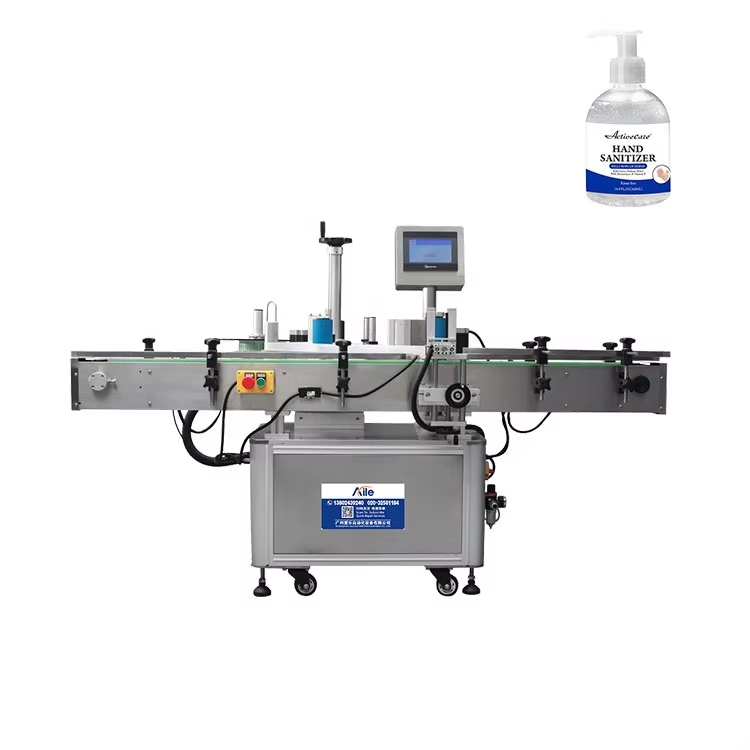
Precision Filling Across Viscosity Ranges
Why Viscosity Variability Challenges Traditional Filling Systems
Making shampoo and ointments presents real challenges when it comes to getting the right consistency just right. Thin liquid formulas tend to pour out too easily whereas those thicker cream products barely move at all. Standard gravity fillers have trouble handling both ends of the spectrum equally well. They often leave behind empty spots in heavier products while lighter ones end up spilling over their containers. According to recent industry research published in Packaging Digest last year, traditional filling equipment creates around 3% variation in volume measurements. That might not sound like much until we factor in how quickly those small errors add up across thousands of units produced daily. The waste generated from these inconsistencies alone jumps up about 15%. And then there's the problem with gel products containing lots of tiny particles that simply refuse to cooperate with standard nozzles. These stubborn mixtures block up machinery regularly, forcing factory workers into unexpected shutdowns throughout the day. For manufacturers dealing with such unpredictable materials, what they really need are filling systems that can adjust themselves based on what's actually happening inside each container instead of relying solely on pre-set mechanical parameters.
How Servo-Controlled Piston and Peristaltic Pumps Enable Accurate Liquid Filling Machine Performance
Today's 10-head liquid fillers tackle viscosity issues thanks to their dual pump setup. For those really thick products like heavy duty ointments, the machines use servo driven pistons inside pressure controlled cylinders. These can hit around half a percent accuracy even when dealing with super viscous materials at about 50 thousand centipoise. At the same time, there are peristaltic pumps handling lighter stuff such as shampoo by squeezing tubes rather than mixing everything together. This keeps things clean and prevents any contamination between different products. What makes these machines stand out is how they're built. The whole system is modular so operators can switch from one pumping method to another right in the middle of production without stopping the line. Real world testing shows these systems maintain their precision across a wide range of applications.
| Technology | Viscosity Range | Accuracy | Key Benefit |
|---|---|---|---|
| Servo Piston | 5,000–100,000 cP | ±0.5% | High-pressure consistency |
| Peristaltic Pump | 1–5,000 cP | ±0.3% | Hygienic product isolation |
This synergy ensures uniform fills across bottles, pouches, and jars—regardless of material flow characteristics.
Rapid Product Changeover with Modular 10-Head Design
Eliminating Downtime: Independent Head Calibration and Tool-Free Nozzle Swaps
Old school liquid filling machines basically shut down entire production lines whenever switching products becomes necessary. The newer modular 10-head systems fix this problem in two main ways. For starters, individual filling heads can be adjusted on their own while others keep running normally. This means manufacturers can tweak settings for different viscosities like shampoos or thick ointments right in the middle of operations without grinding everything to a halt. The second big improvement comes from those handy tool-free nozzle switches. Plant workers just twist and lock the appropriate nozzles for whatever containers they need - bottles, tubes, jars - all within seconds. No need for wrenches or alignment gadgets anymore. According to packaging industry stats, these combined features cut changeover time by around 70% compared to older single-head models. What used to take hours now takes less than 15 minutes, keeping production flowing smoothly instead of creating major roadblocks throughout the day.
Measurable Efficiency Gains in Cosmetic Manufacturing
Throughput Uplift: 38% Higher Output vs. Single-Head Liquid Filling Machine Systems
According to production stats, 10-head Liquid Filling Machines systems manage about 38% more output compared to their single-head counterparts. The reason? They process multiple containers at once, which cuts down on cycle time while still keeping fill levels accurate enough for most applications. Shampoo makers and companies producing ointments find this particularly beneficial since they can finish entire batches quicker without needing extra room in the factory. These machines work across different container types too bottles, jars, even flexible pouches all handled smoothly within the same setup. Industry insiders mention that manufacturers typically knock out 250 unit runs around 22 minutes sooner than before. That kind of speed makes a big difference when there's sudden increase in orders during peak seasons, and best part is no additional machinery gets purchased just to meet temporary demand surges.
ROI Acceleration: Labor Savings, Reduced Reject Rates, and >99% Uptime
When it comes to precision engineering, the real money savings start showing up fast. Automated systems cut down on manual work by around 60% when compared with older semi-automated versions. Reject rates drop under half a percent thanks to those servo controls keeping volumes consistent throughout production runs. Maintenance records show machines staying online over 99% of the time during three shifts straight. All these improvements mean companies get their return on investment quicker than expected usually within about 14 months give or take. Factory supervisors have noticed waste costs going down roughly 30% while overtime expenses shrink about a quarter. What makes this even better for manufacturers? The dependable nature of filling setups for pouches, bottles, jars means fewer surprises when things go wrong. This stability helps personal care product makers keep producing at steady rates as they try to grab more shelf space in stores nationwide.
Compliance and Scalability for Personal Care Brands
The personal care industry is stuck between a rock and a hard place these days. On one hand, companies need to follow strict regulations set by agencies like the FDA and EU. On the other hand, they want to scale up production fast enough to keep up with growing demand. Enter the 10-head liquid filler machine. These machines have been game changers because they're built with hygiene in mind right from the start. They meet all those GMP requirements and stop cross-contamination issues that can get products rejected during inspections. Plus, they consistently fill containers to exact measurements, which saves money down the road when non-compliance penalties hit. What makes them really stand out though? The modular design lets manufacturers switch between different packaging types almost instantly. Need to go from glass bottles to plastic jars for a new product line? No problem. Just swap out parts instead of waiting days for retooling. And let's not forget about those Clean-in-Place systems. They automatically clean the machinery between batches, so there's no risk of human error messing up the whole batch. This means fewer recalls and happier regulators knocking on the door.
FAQ
What challenges do traditional liquid filling machine systems face with viscosity variability?
Traditional filling systems struggle with viscosity variability by causing volume measurement errors and waste, especially for challenging materials like gels with tiny particles that can cause equipment blockages.
How do servo-controlled piston and peristaltic pumps enhance filling efficiency?
These pumps handle a range of viscosities by being adaptable with modular designs, allowing operators to switch between methods mid-production for consistent accuracy.
What benefits do modular 10-head liquid filling machine systems provide?
These systems reduce downtime, allow for quick changeovers, and maintain high efficiency in production, resulting in significant labor savings and reduced reject rates.