
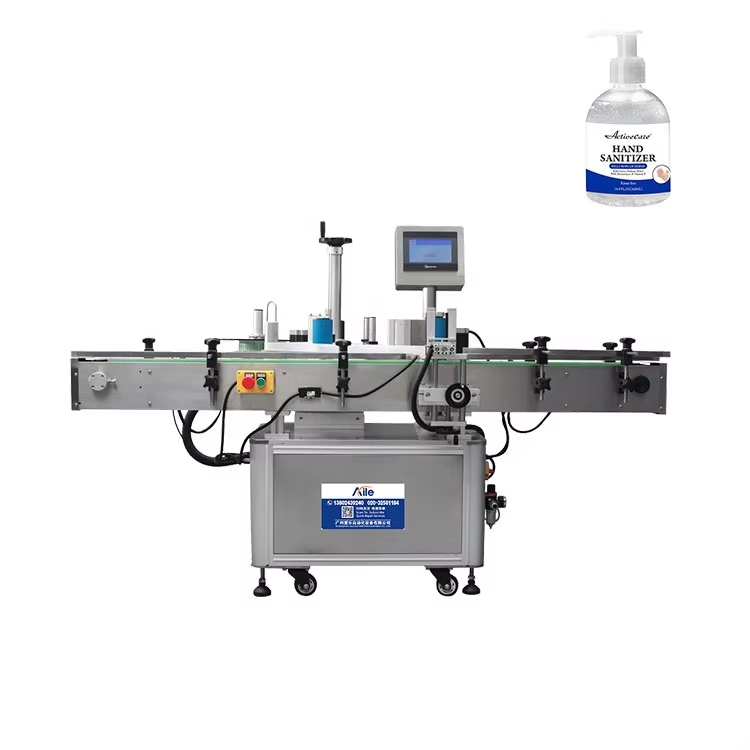
Corrosive Properties of Hand Sanitizer Demand Precision Liquid Filling Machines
Ethanol/isopropanol reactivity, viscosity shifts, and their impact on fill consistency
The high concentration of ethanol (around 60 to 95%) or isopropanol in hand sanitizers really speeds up corrosion problems in filling equipment that isn't properly protected. Aluminum parts and cheaper grades of stainless steel suffer the most from this issue, showing signs like pitting and gradual breakdown along fluid paths. At the same time, these alcohol based products can change their thickness quite dramatically when temperatures shift even just five degrees Celsius up or down. This causes all sorts of droplet issues when dispensing them. Standard filling machines that don't compensate for these changes end up delivering volumes that vary between plus or minus 5 to 7 percent. That's way outside the strict one percent tolerance level specified in USP standard 1251 for what counts as acceptable delivered volume in pharmaceutical applications.
How inaccurate fills accelerate pump degradation and compromise batch integrity
Under-filling introduces air gaps that oxidize pump mechanisms; over-filling subjects seals to continuous ethanol exposure. Industry data shows:
| Fill Error | Seal Degradation Rate | Batch Rejection Risk |
|---|---|---|
| -3% | 2—faster | 15% higher |
| +5% | 3.5—faster | 28% higher |
This uneven stress—combined with alcohol’s solvent action—triggers premature seal failure within 500 cycles. Leaking pumps then introduce microbial contamination vectors, invalidating entire batches. Precision liquid filling machines calibrated to ±0.5% accuracy eliminate these failure modes at source.
Material Compatibility: Building a Corrosion-Resistant Liquid Filling Machine
Why 316 Stainless Steel, PTFE Seals, and EPDM Components Are Non-Negotiable for Ethanol-Based Formulations
Ethanol and isopropanol really break down materials that aren't compatible with them, which affects both the purity of products and how long equipment lasts before needing replacement. When dealing with high alcohol concentrations, 316 stainless steel containing molybdenum stands out for resisting pits better than regular 304 stainless or carbon steel options. Seals and gaskets need special attention too. Only materials that won't react chemically will work properly here. PTFE remains stable no matter what the concentration or temperature might be, making it a top choice. EPDM rubber also performs well because it keeps its shape and stays elastic even after repeated contact with ethanol. Going for cheaper substitutes can lead to tiny bits of metal ions or pieces of rubber getting into the product stream over time. This not only contaminates batches but also wears down pumps faster than normal. Research shows when there are material issues in important parts of fluid systems, equipment tends to last about 35% less time overall, and companies face much higher chances of having to recall products later on.
Regulatory Compliance and Risk Mitigation Through High-Accuracy Liquid Filling
Meeting FDA 21 CFR Part 211 and USP <1251> Accuracy Thresholds for Hygiene Products
The FDA regulations found in 21 CFR Part 211 along with USP <1251> set strict requirements for hygiene products, demanding plus or minus 1% accuracy when measuring volumes. This ensures that consumers get the right dose every time they use these products. When companies fail to follow these rules, the financial hit can be massive. Looking at recent data from Ponemon Institute in 2023 shows that each product recall costs around 740 thousand dollars on average. Modern filling equipment designed for precision actually meets these standards through features like automatic weight checks and volume sensors that are set according to FDA specifications. Today's advanced systems also handle changes in product properties automatically. They compensate for things like varying ethanol concentrations or temperature fluctuations in real time. This helps prevent situations where too much product gets filled into containers (which wastes money) or not enough gets put in (which makes the product less effective).
Closed-Loop Filling, Zero-Drip Nozzles, and Automated Calibration as Contamination Controls
Contamination control for ethanol-based sanitizers requires three integrated safeguards:
- Closed-loop filling systems, which isolate sanitizer from ambient air during transfer
- PTFE-lined zero-drip nozzles, eliminating residual droplets that contact container surfaces and degrade silicone-based alternatives
- Automated calibration protocols, validating fill accuracy every 30 minutes without line stoppage
This multi-barrier approach reduces microbial ingress risk by 89% versus open systems. Validation studies show it cuts batch rejection rates by 67% while supporting USP sterility assurance levels—even as ethanol degrades conventional sealing materials.
Proven Performance: High-Accuracy Liquid Filling Machines in Real-World Sanitizer Production
Ethanol-based sanitizer producers are seeing real improvements from investing in high accuracy liquid filling equipment. Plants using these machines typically see less than half a percent variation between batches even though the formulations can be pretty unstable. That means less wasted product going out the door and staying within all the regulatory requirements. What's really nice is how these machines prevent those annoying overflows that happen when corrosive sanitizers get into contact with pump seals. We've seen some facilities extend their seal life by around 40% compared to older systems. The automated viscosity compensation feature works wonders too, keeping everything consistent whether the product is in gel form or running as liquid. No more underfilled bottles ending up on customers' counters causing complaints. And let's not forget about those integrated load cells that constantly check for drift corrections automatically. No need for someone to climb under the machine every hour to tweak settings, which cuts down on contamination risks during those fast production runs. For folks running manufacturing operations, all these features add up to somewhere around 15% reduction in waste materials and production lines that keep running nonstop day after day. Makes a huge difference when there's sudden spikes in demand for hand sanitizer.
FAQ
Why is precise liquid filling important for hand sanitizers?
Precision in liquid filling prevents inconsistencies in the product volume, which can lead to contamination, compromised batch integrity, and regulatory compliance issues.
What materials are recommended for corrosion-resistant liquid filling machines?
Materials like 316 stainless steel, PTFE seals, and EPDM components are ideal for resisting corrosion and chemical breakdown in alcohol-based formulations.
How can high-accuracy liquid filling machines mitigate contamination risks?
These machines use closed-loop systems, zero-drip nozzles, and automated calibration to isolate products from contamination sources and ensure accurate fills.
What are the financial implications of failing to meet fill accuracy standards?
Failure to meet accuracy standards can result in costly product recalls, with losses averaging around $740,000 per recall according to the Ponemon Institute.
Table of Contents
- Corrosive Properties of Hand Sanitizer Demand Precision Liquid Filling Machines
- Material Compatibility: Building a Corrosion-Resistant Liquid Filling Machine
- Regulatory Compliance and Risk Mitigation Through High-Accuracy Liquid Filling
- Proven Performance: High-Accuracy Liquid Filling Machines in Real-World Sanitizer Production
- FAQ