
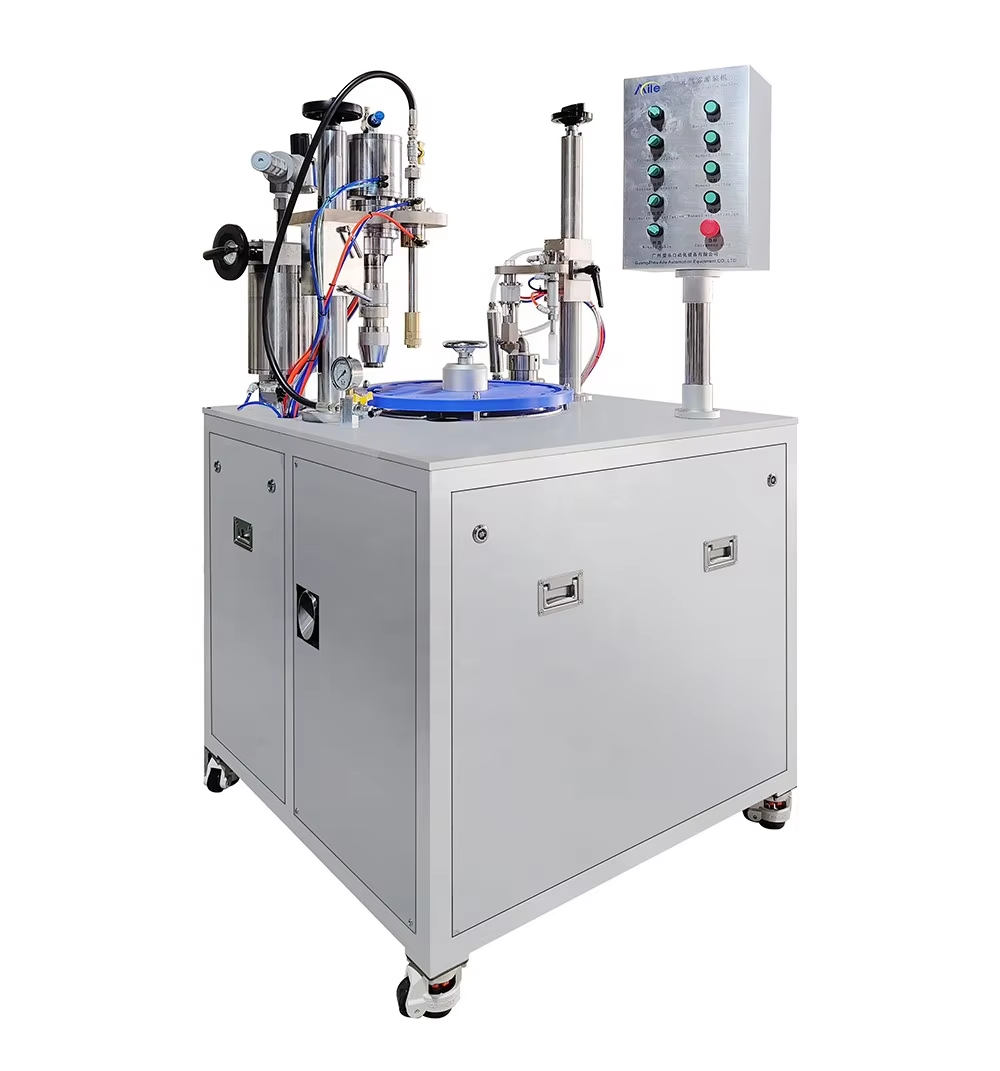
কেন করোশন তরল ফিলিং মেশিন অপারেশনে বিশ্বস্ততাকে হুমকির মুখে ফেলে
অম্লীয়, ক্ষারীয় এবং প্রতিক্রিয়াশীল তরলের কারণে উপাদানের ক্ষয়
হাইড্রোক্লোরিক অ্যাসিড, সোডিয়াম হাইড্রোক্সাইড এবং বিভিন্ন প্রতিক্রিয়াশীল দ্রাবকের মতো ক্ষয়কারী তরলগুলি তরল ফিলিং মেশিনের স্ট্যান্ডার্ড উপাদানগুলিকে দ্রুত ভেঙে দেয়। 316L স্টেইনলেস স্টিলের সংস্পর্শে আসলে পিটিং, পীড়ন-সংশ্লিষ্ট করোশন ক্র্যাকিং এবং ক্রিভিস করোশনের মতো সমস্যাগুলি দেখা দেয়, যা ইনস্টলেশনের মাত্র কয়েক মাসের মধ্যেই শুরু হতে পারে। ফলাফল কী? সিলের অখণ্ডতা ক্ষুণ্ণ হয়, যার ফলে লিকেজ, অসম ফিল পরিমাণ এবং অপেক্ষাকৃত অনেক আগেই পার্টসের ব্যর্থতা ঘটে। উচ্চ তাপমাত্রা এই সমস্যাকে আরও জটিল করে তোলে। প্রায় ৬০ ডিগ্রি সেলসিয়াস তাপমাত্রায়, সাধারণ কক্ষ তাপমাত্রার তুলনায় করোশনের হার প্রায় তিন গুণ বেড়ে যায়। আর যখন মিশ্রণে সাসপেন্ডেড অ্যাব্রাসিভ কণা থাকে, তখন এই সমস্যা আরও বাড়ে। এই কণাগুলি ভাল্ভ সিট এবং নজলগুলিকে ক্ষয় করে, যার ফলে ক্ষুদ্র ত্রুটি সৃষ্টি হয় যা শেষ পর্যন্ত প্রধান ব্যর্থতার কারণ হয়ে ওঠে। যে সরঞ্জামগুলিতে উপযুক্ত করোশন সুরক্ষা নেই, সেগুলি দীর্ঘস্থায়ী হয় না। শিল্প অভিজ্ঞতা থেকে জানা যায় যে, অ-ক্ষয়কারী পরিবেশের তুলনায় এদের আয়ু প্রায় ৪০% থেকে ৭০% পর্যন্ত হ্রাস পায়।
লুকানো খরচ: ডাউনটাইম, রক্ষণাবেক্ষণ এবং পণ্য দূষণের ঝুঁকি
ক্ষয়রোধ জনিত অর্থনৈতিক সমস্যাগুলি শুধুমাত্র পৃষ্ঠে দৃশ্যমান অংশের চেয়ে অনেক বেশি গভীরে প্রবেশ করে। যেসব মেশিনে ক্ষয় হয়, সেগুলি সাধারণত প্রতি মাসে প্রায় ১৫ ঘণ্টা থেকে এমনকি ৩০ ঘণ্টা পর্যন্ত নিষ্ক্রিয় অবস্থায় থাকে। এর ফলে উৎপাদন সম্পূর্ণরূপে বন্ধ হয়ে যায় এবং প্রায়শই পণ্য সরবরাহ বিলম্বিত হয়। এসব সমস্যা সমাধান করা খুবই ব্যয়বহুল হয়ে ওঠে। কোম্পানিগুলি প্রায়শই ক্ষয়প্রাপ্ত ভাল্ভ, সিল এবং টিউবিং পুনরায় প্রতিস্থাপন করতে গিয়ে সাধারণ খরচের তিনগুণ পরিমাণ অর্থ ব্যয় করে। এছাড়াও বিপজ্জনক মেরামতের কাজ পরিচালনা করার জন্য বিশেষজ্ঞ কর্মীদের নিয়োগের খরচ আসে। এই পরিস্থিতিকে আরও গুরুতর করে তোলে দূষণের ঝুঁকি। মরচে লাগা অংশগুলি থেকে মরচের কণা, ধাতব আয়ন বা রাসায়নিক পদার্থ উৎপাদন প্রক্রিয়ায় পণ্যের সঙ্গে মিশে যেতে পারে। ওষুধ তৈরি বা খাদ্য প্রক্রিয়াকরণের মতো শিল্পখাতের ক্ষেত্রে, দূষণের একটি ছোট্ট সমস্যাও বিপুল পরিমাণ পণ্য প্রত্যাহারের কারণ হতে পারে, যা কিছু ২০২৩ সালের গবেষণা অনুযায়ী প্রায় সাত লক্ষ চল্লিশ হাজার মার্কিন ডলার পর্যন্ত ক্ষতির কারণ হতে পারে। যখন অপ্রত্যাশিতভাবে লিক হয়, তখন কোম্পানিগুলির বিপজ্জনক পদার্থ নিয়ে কাজ করার জন্য কঠোর প্রক্রিয়াকে অবশ্যই অনুসরণ করতে হয়। এটি আরও সময় নষ্ট করে এবং কর্মচারীদের বিপদজনক অঞ্চলে রাখে। এই সমস্ত অতিরিক্ত ব্যয় মুনাফার মার্জিনকে এত দ্রুত ক্ষয় করে যে, মেশিনগুলি প্রথমে কেনার সময় কেউই তা কল্পনা করতে পারেনি।
আধুনিকের মূল ক্ষয়রোধী ডিজাইন বৈশিষ্ট্য তরল ফিলিং মেশিন
ক্ষয়-প্রতিরোধী আর্দ্র অংশ: হ্যাস্টেলয়, পিটিএফই এবং এইচডিপিই বনাম স্ট্যান্ডার্ড স্টেইনলেস স্টিল
প্রক্রিয়াজাতকরণের সময় যেসব অংশ প্রকৃতপক্ষে তরলের সংস্পর্শে আসে—যেমন নজল, ফিল হেড, ভাল্ভ এবং তরলগুলি প্রবাহিত হয় যেসব ছোট ছোট চ্যানেল—সেগুলোকে যতটা যান্ত্রিকভাবে টিকে থাকতে হয়, ততটাই রাসায়নিকভাবেও ভালোভাবে কাজ করতে হয়। মানক ৩১৬এল স্টেইনলেস স্টিল সাধারণ দ্রবণের জন্য কাজ করতে পারে, কিন্তু যদি ক্লোরাইড যৌগ, ঘনীভূত অ্যাসিড বা শক্তিশালী পরিষ্কারক যোগ করা হয়, তবে এটি খুব দ্রুত ক্ষয়প্রাপ্ত হতে শুরু করে। এই কারণে বর্তমানে উৎপাদকরা আরও ভালো বিকল্পগুলোর দিকে ঝুঁকছেন। উদাহরণস্বরূপ, হ্যাস্টেলয় সি-২৭৬—এটি উৎপাদনের সময় যখন পরিস্থিতি অত্যন্ত কঠিন হয়ে ওঠে, তখনও ক্ষয় ও পীড়ন-সৃষ্ট ফাটলের বিরুদ্ধে প্রতিরোধ গড়ে তোলে। তারপর আছে পিটিএফই (PTFE), যা সাধারণত টেফলন নামে পরিচিত, যা প্রায় সমস্ত রাসায়নিককে উপেক্ষা করে এবং পৃষ্ঠগুলিকে মসৃণ ও পরিষ্কার রাখে। যেসব অ্যাপ্লিকেশনে চাপ অত্যধিক নয়, সেখানে এইচডিপিই (HDPE) দৃঢ় আঘাত প্রতিরোধ সহ ভালো মূল্য-সম্পাদন অনুপাত প্রদান করে। এই সমস্ত উপাদান তাদের সম্পূর্ণ জীবনকাল ধরে সঠিক মাত্রা ও সমাপ্তি বজায় রাখতে সাহায্য করে, যার ফলে উন্নত সিল, অপর প্রান্ত থেকে আরও পরিষ্কার পণ্য নির্গমন, প্রতিস্থাপনের মধ্যবর্তী সময়ে যন্ত্রপাতির দীর্ঘায়িত জীবনকাল এবং চূড়ান্তভাবে সমগ্র ক্ষেত্রে আরও নির্ভুল ফলাফল লাভ হয়।
সিল করা ড্রাইভ সিস্টেম এবং প্রতিক্রিয়াশীল তরল হ্যান্ডলিংয়ের জন্য আইসোলেশন কৌশল
ক্ষয়কারী বাষ্প, ঘনীভবনের সঞ্চয় এবং আকস্মিক ছিটকে যাওয়া ধীরে ধীরে মোটর, সেন্সর এবং নিয়ন্ত্রণ ইলেকট্রনিক্সকে ক্ষতিগ্রস্ত করতে পারে। এই সমস্যার সমাধানের জন্য আধুনিক সরঞ্জামগুলিতে শারীরিক বাধা এবং কার্যকরী নিরাপত্তা ব্যবস্থা—উভয়ই অন্তর্ভুক্ত করা হয়েছে। IP66 রেটেড এনক্লোজারগুলি ক্ষয়কারী কুয়াশা এবং ছিটকে যাওয়া তরলকে ভিতরে প্রবেশ করতে বাধা দেয়। কিছু সিস্টেমে ঐতিহ্যগত শ্যাফ্ট সিলের পরিবর্তে চৌম্বকীয় কাপলিং ব্যবহার করা হয়, যা গতিশীল অংশগুলিকে রাসায়নিকের সংস্পর্শে আসা অঞ্চল থেকে সম্পূর্ণরূপে পৃথক করে। অতিরিক্ত সুরক্ষার জন্য, PTFE বেলোজ সহ ডাবল মেকানিক্যাল সিল চাপ পরিবর্তনের সময়ও ব্যাকআপ ধারণ ব্যবস্থা প্রদান করে। ঐচ্ছিক নাইট্রোজেন পার্জ সিস্টেমগুলিও সংবেদনশীল উপাদানগুলি থেকে ক্ষয়কারী বাষ্পকে দূরে রাখতে সাহায্য করে। এই পদ্ধতিগুলি সহজেই সমস্ত পার্থক্য তৈরি করে যখন আমরা সহজে বাষ্পীভূত দ্রাবক, ব্লিচ দ্রবণ বা ঘনীভূত অ্যাসিডের মতো কঠিন পদার্থগুলির সাথে কাজ করি। সুবিধাগুলি রিপোর্ট করে যে, সেন্সর ড্রিফট, অপ্রত্যাশিত মোটর বিকল হওয়া এবং যেসব ব্যয়বহুল জরুরি মেরামত করা হয় না—এই সমস্ত ঘটনার সংখ্যা কমে গেছে, যা ইতিমধ্যেই চ্যালেঞ্জিং শিল্প পরিবেশে কেউ মোকাবেলা করতে চায় না।
তরল রসায়ন ও সান্দ্রতা অনুযায়ী পূরণ ব্যবস্থার সামঞ্জস্য করা
তরল পূরণ মেশিন নির্বাচনের ক্ষেত্রে, উপকরণের সামঞ্জস্যতা নিশ্চিত করা এবং বিভিন্ন তরলের আচরণ সম্পর্কে সঠিক বোঝাপড়া করা অত্যন্ত গুরুত্বপূর্ণ। প্রতিক্রিয়াশীল পদার্থের ক্ষেত্রে, সিস্টেমটিতে এমন উপাদান থাকা আবশ্যিক যেগুলো নিজেরা কোনো প্রতিক্রিয়া প্রদর্শন করবে না—যেমন পিটিএফই-লাইনড পিস্টন সিলিন্ডার বা বিশেষ হ্যাস্টেলয় পাম্পগুলো। উচ্চ সান্দ্রতাযুক্ত বা শিয়ারিং বলের প্রতি সংবেদনশীল পদার্থগুলোর জন্য এমন সরঞ্জাম প্রয়োজন যা সর্বোচ্চ গতির চেয়ে ধীরে ও স্থিতিশীল পূরণের উপর জোর দেয়। এই বিষয়ে ভুল করলে সমস্যাগুলো দ্রুত জমা হতে শুরু করে: পাত্রগুলো অপর্যাপ্তভাবে পূর্ণ হতে পারে, প্রক্রিয়াকরণের সময় ফেনা তৈরি হতে পারে, যন্ত্রাংশগুলো প্রত্যাশিত সময়ের চেয়ে দ্রুত ক্ষয়প্রাপ্ত হতে পারে, অথবা আরও খারাপ ক্ষেত্রে ব্যাচগুলোর মধ্যে ক্রস-কন্টামিনেশন ঘটতে পারে। ২০২৩ সালে পোনেমন ইনস্টিটিউটের গবেষণা অনুসারে, এই ধরনের সমস্যাগুলো প্রতি বছর প্রায় ৭৪০,০০০ মার্কিন ডলার ক্ষতি করে—যা বর্জ্য পণ্য, কাজ পুনরায় করার খরচ এবং উৎপাদন বন্ধের ফলে হয়।
উচ্চ-মূল্যবান প্রতিক্রিয়াশীল তরলের জন্য সার্ভো-পিস্টন নির্ভুলতা
সার্ভো পিস্টন ফিলার সিস্টেমটি কিছু বিশেষ ফার্মাসিউটিক্যাল উপাদান, শক্তিশালী শিল্প দ্রাবক এবং তীব্র অ্যাসিডের মতো বিপজ্জনক ও উৎপাদনে ব্যয়বহুল পদার্থগুলি পরিচালনা করার সময় অসাধারণ নির্ভুলতা প্রদান করে। এই মেশিনগুলির একটি সম্পূর্ণ আবদ্ধ ডিজাইন রয়েছে যা কঠোর রাসায়নিক পদার্থগুলিকে ভিতরের গতিশীল অংশগুলি থেকে দূরে রাখে। সিলিন্ডারগুলি নিজেই ক্ষয়রোধী উপকরণ দিয়ে লাইনড করা হয়—হ্যাস্টেলয় ধাতু বা সিরামিক কোটিং দিয়ে—যাতে এগুলি ধ্রুব যোগাযোগের মুখোমুখি হয়েও ক্ষয় না হয়। ক্লোজড-লুপ নিয়ন্ত্রণ সিস্টেমের মাধ্যমে অপারেটররা ফেনা তৈরি করে বা বাতাসের বুদবুদ ধারণকারী জটিল পদার্থগুলি পরিচালনা করার সময়ও আয়তন পরিমাপে প্লাস বা মাইনাস ০.২৫ শতাংশ নির্ভুলতা অর্জন করেন। এবং যেহেতু এই ফিলারগুলি অত্যন্ত দ্রুত কাজ করে—যেমন, হাইড্রোফ্লুরিক অ্যাসিডের মতো কোনো পদার্থের একটি ডোজ পূরণ করতে কখনও কখনও এক সেকেন্ডেরও কম সময় লাগে—তাই এগুলি কম বাষ্প তৈরি করে এবং অপারেশনের সময় কর্মীদের এর সংস্পর্শে আসার পরিমাণ কমিয়ে দেয়। গত বছরের ক্ষেত্র পরীক্ষায় দেখা গেছে যে, এই বিশেষায়িত ইউনিটগুলি নিয়মিত স্টেইনলেস স্টিলের সংস্করণের তুলনায় রক্ষণাবেক্ষণের প্রয়োজন হওয়ার আগে প্রায় ৪০ শতাংশ বেশি সময় টিকে থাকে।
কম-ক্ষয়কারী কিন্তু স্নিগ্ধতা-সংবেদনশীল ফর্মুলেশনের জন্য মাধ্যাকর্ষণ ও পেরিস্টালটিক বিকল্পগুলি
যখন আপনি সিরাপ, সিলিকন তেল বা সৌন্দর্যপ্রসাধনী এমালশনের মতো ক্ষয়কারী নয় কিন্তু স্নিগ্ধতা নিয়ে জটিল পণ্যগুলির সাথে কাজ করছেন, তখন মাধ্যাকর্ষণ ও পেরিস্টালটিক ফিলিং সিস্টেমগুলি সাধারণত অর্থনৈতিকভাবে সহজ বিকল্প হয়ে ওঠে। মাধ্যাকর্ষণ ফিলারগুলি সাধারণ বায়ুচাপ ব্যবহার করে কাজ করে এবং এগুলি ৫০০ সেন্টিপয়েজের নিচে তরল পদার্থের জন্য সবচেয়ে উপযুক্ত। এগুলি প্রতি মিনিটে ২০০টির বেশি বোতল পূরণ করতে পারে এবং এদের খুব কম গতিশীল উপাদান থাকে, যা রক্ষণাবেক্ষণকে সহজ করে। অন্যদিকে, পেরিস্টালটিক পাম্প পদ্ধতিতে নমনীয় টিউবগুলিকে চাপ দেওয়া হয় যাতে ৫০,০০০ সেন্টিপয়েজ পর্যন্ত ঘন পেস্টগুলি স্থানান্তরিত হয়। এই পদ্ধতির সবচেয়ে ভালো বৈশিষ্ট্য হলো এটি সমস্ত ঝাঁকুনি-সংবেদনশীল ভাল্ভ এবং কোণগুলি অপসারণ করে যেখানে সময়ের সাথে অবশিষ্টাংশ জমা হয়ে থাকে।
| যান্ত্রিকতা | ভিস্কোসিটি রেঞ্জ | আদর্শ পণ্য | সঠিকতা |
|---|---|---|---|
| _GRAVITY_ | ১–৫০০ সেন্টিপয়েজ | তেল, হালকা সিরাম, দ্রাবক | â±1% |
| পেরিস্টালটিক | ৫০০–৫০,০০০ সেন্টিপয়েজ | মধু, আঠালো পদার্থ, ঘন জেল | ±0.5% |
যেহেতু টিউবিংগুলি ব্যাচগুলির মধ্যে সহজেই পরিবর্তন করা যায়, এই সিস্টেমগুলি পরিষ্কারকরণ যাচাইকরণের ভার কমায় এবং ক্রস-দূষণের ঝুঁকি দূর করে—খাদ্য ও সৌন্দর্যপ্রসাধনী উৎপাদনে কড়া স্বাস্থ্য অনুসরণকে সমর্থন করে (২০২৩ সালের শিল্প-সংশ্লিষ্ট স্বাস্থ্য মানদণ্ড)। এদের সরলীকৃত নির্মাণ পদ্ধতি সম্পূর্ণ অ্যান্টি-করোশন বিল্ডের তুলনায় ক্রয় ও জীবনচক্র খরচ ৩০–৫০% কমায়।
প্রমাণিত রিটার্ন অন ইনভেস্টমেন্ট (ROI): অ্যান্টি-করোশন তরল ফিলিং মেশিনের শিল্প-বিশেষ কার্যকারিতা উন্নতি
কঠোর পরিবেশের মুখোমুখি হওয়া শিল্প ক্ষেত্রগুলিতে অ্যান্টি-করোশন তরল পূরণ সরঞ্জাম থেকে আয় বিনিয়োগের ফেরত অত্যন্ত উল্লেখযোগ্য। রাসায়নিক কোম্পানিগুলি পুরনো স্টেইনলেস স্টিলের মডেলগুলির তুলনায় তাদের অপরিকল্পিত ডাউনটাইম প্রায় ৪০% কমিয়েছে, যেখানে রক্ষণাবেক্ষণ খরচ সাধারণত প্রায় অর্ধেক হয়ে যায়। ফার্মা উৎপাদনে, সেই সার্ভো-পিস্টন সিস্টেমগুলি সংবেদনশীল বায়োলজিক্যাল পণ্য পরিচালনা করার সময় প্রায় ৯৯.৮% নির্ভুলতা অর্জন করে, যার ফলে দূষণজনিত সমস্যার কারণে প্রায় কোনো ক্ষতি হয় না। অ্যাসিডিক সস পরিচালনা করা খাদ্য প্রক্রিয়াকরণ কারখানাগুলির জন্য পলিমার লেপযুক্ত গ্র্যাভিটি ফিলারগুলি স্ট্যান্ডার্ড সরঞ্জামের তুলনায় প্রায় ৩০% বেশি স্থায়ী হয়, যা প্রতিস্থাপনের খরচ কমিয়ে দেয়। এছাড়াও কয়েকটি লুকানো সঞ্চয় উল্লেখযোগ্য: বর্জ্য নিষ্কাশনে কম অর্থ ব্যয়, পরিষ্কার করার সময় কম, এবং ব্র্যান্ড ও অর্থব্যবস্থা উভয়কেই ক্ষতি করে এমন পণ্য প্রত্যাহারের ভয়াবহ পরিস্থিতি এড়ানো। এই নির্ভরযোগ্যতা উন্নতির জন্য অধিকাংশ ব্যবসায়িক প্রতিষ্ঠান দৈনন্দিন কার্যক্রম, পণ্যের মান এবং নিয়ন্ত্রক প্রয়োজনীয়তা পূরণে পার্থক্য তৈরি করে, ফলে তারা সর্বোচ্চ দুই বছরের মধ্যে তাদের প্রাথমিক বিনিয়োগ ফেরত পায়।
প্রায়শই জিজ্ঞাসিত প্রশ্ন
তরল পূরণ মেশিনের জন্য স্টেইনলেস স্টিল কেন যথেষ্ট নয়?
স্টেইনলেস স্টিল যদিও টেকসই, কিন্তু ক্লোরাইড যৌগ, ঘনীভূত অ্যাসিড বা শক্তিশালী পরিষ্কারক এজেন্টের মতো কঠোর রাসায়নিকের সংস্পর্শে এসে ক্ষয়প্রাপ্ত হতে পারে, যার ফলে সময়ের সাথে সাথে পিটিং এবং পীড়ন কর্ণিশন ক্র্যাকিং-এর মতো সমস্যা দেখা দেয়।
তরল পূরণ মেশিনে ক্ষয় রোধ করার জন্য কোন কোন উপাদান ব্যবহার করা হয়?
হাস্টেলয়, পিটিএফই (টেফলন) এবং এইচডিপিই-এর মতো উপাদানগুলি প্রায়শই ব্যবহৃত হয়, কারণ এগুলি ক্ষয় রোধে উৎকৃষ্ট প্রতিরোধ ক্ষমতা রাখে এবং কঠোর রাসায়নিক পরিবেশ সহ্য করতে পারে।
ক্ষয় রোধক ডিজাইনগুলি তরল পূরণ মেশিনের কার্যক্রমকে কীভাবে সুবিধা প্রদান করে?
ক্ষয় রোধক ডিজাইনগুলি কাজের বিরতি কমাতে, দূষণের ঝুঁকি কমাতে এবং রক্ষণাবেক্ষণ খরচ কমাতে সাহায্য করে, যার ফলে মেশিনের দক্ষতা, নির্ভরযোগ্যতা এবং আয়ু চূড়ান্তভাবে উন্নত হয়।
ক্ষয় রোধক উপাদান ব্যবহার না করার আর্থিক প্রভাবগুলি কী কী?
কোরোশন প্রতিরোধের ব্যবস্থা ছাড়া, কোম্পানিগুলি উল্লেখযোগ্য ডাউনটাইম, বৃদ্ধি পাওয়া রক্ষণাবেক্ষণ খরচ, দূষণের ঝুঁকি এবং সম্ভাব্যভাবে ব্যয়বহুল প্রত্যাহারের মুখোমুখি হয়, যা মুনাফার মার্জিনকে কমিয়ে দেয়।