
در چشمانداز بسیار رقابتی تجارت بینالمللی و تولید صنعتی، صنعت اسپری در حال گذار از تغییری بنیادین و گسترده است. این تحول تحت تأثیر دستورالعملهای جهانی پایداری و ترجیحات در حال تغییر مصرفکنندگان، روشهای سنتی بستهبندی اسپری را به سرعت از رقابت خارج کرده و جایگزین هوشمندتر، پاکتر و بسیار کارآمدتری را ایجاد نموده است: فناوری کیسه روی شیر (BOV) .
چه شما یک برند ا established در صنعت آرایشی و بهداشتی باشید، چه تولیدکنندهای دارویی باشید که تحت نظارت مقررات قرار دارد، یا چه یک بنگاه فرآوری مواد غذایی باشید که به دنبال حفظ سلامت طعم محصولات خود هستید، درک مزایای جامع بستهبندی «کیسه روی شیر» (Bag on Valve) میتواند به کسبوکار شما مزیت رقابتی قابل توجهی ببخشد. در این راهنمای جامع، به بررسی دقیق نحوه عملکرد سیستم کیسه روی شیر، دلایل تحولآفرینی آن در ارائه پایدار محصولات و نحوه بهینهسازی تواناییهای تولیدی کارخانه خود از طریق سرمایهگذاری در ماشین پرکنی مناسب کیسه روی شیر میپردازیم.
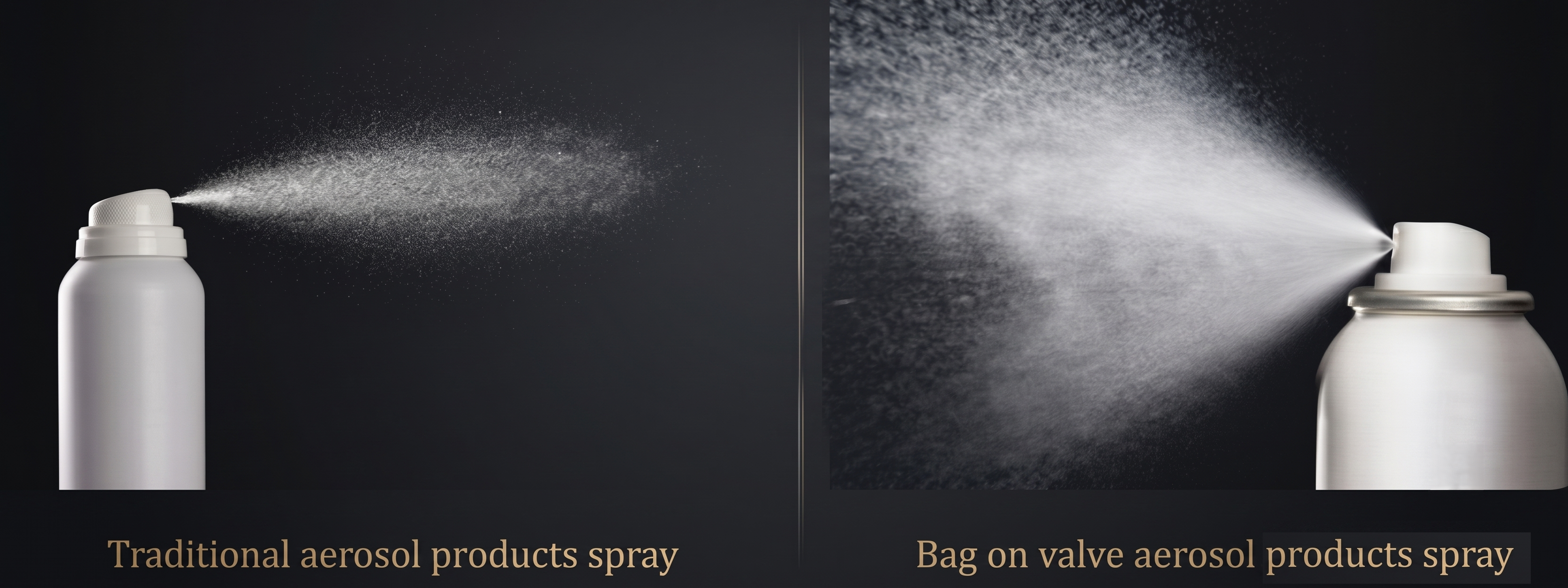
برای درک عمیقتر اینکه چرا فناوری کیسه روی شیر بهعنوان یک پیشرفت انقلابی در طراحی مدرن بستهبندی شناخته میشود، باید آن را در مقایسه با بطریهای اسپری سنتی بررسی کرد. در سیستم اسپری معمولی، فرمولاسیون فعال مستقیماً با عوامل پرتابکنندهٔ گاز نفتی مایع (LPG) یا اتر دیمتیل (DME) مخلوط میشود. این بدین معناست که مصرفکننده بهطور اجتنابناپذیری مخلوطی شیمیایی را اسپری میکند.
در مقابل، سیستم بکآن-والو اصیل از یک راهحل هوشمندانه با دو محفظه استفاده میکند که جداسازی کامل محصول را تضمین میکند.
چرا برندهای چندملیتی پیشرو و بستهبندیکنندگان قراردادی بهطور فعال خطوط تولید خود را به اسپریهای کیسهدار روی شیر (Bag-on-Valve) تبدیل میکنند؟ پاسخ در مزایای مهندسی منحصربهفرد این سیستم نهفته است که هم سودآوری تولیدکننده را افزایش میدهد و هم تجربه کاربر نهایی را بهبود میبخشد.
از آنجا که فرمولاسیون کاملاً از ماده پرکننده (پروپلاننت) جدا شده و در برابر اکسیژن محیطی محافظت میشود، خطر اکسیداسیون، تخریب شیمیایی یا آلودگی متقابل تقریباً از بین میرود. این قابلیت بینظیر حفظ محصول، تحولی اساسی برای محصولات آرگانیک آرایشی، اسپریهای طبیعی مراقبت از پوست و اسپریهای ضدعفونیکننده دارویی استریل برای زخمهاست که هدف آنها حذف مواد نگهدارنده شیمیایی قوی است.
دریچههای سنتی اسپری در حالت کج یا وارونه بهطور ناموفق عمل میکنند، زیرا لولهٔ غوطهور از تماس با مایع محصول جدا میشود. طراحی «کیسه روی شیر» (Bag on Valve) این مشکل را بهطور کامل حل میکند. این طراحی عملکرد اسپری یکنواخت، پیوسته و بیصدا را در هر زاویهای فراهم میکند — حتی قابلیت اسپری در تمام زوایای ۳۶۰ درجه را دارد. کیفیت اتمیزاسیون ظریف و یکنواخت از اولین فشار تا آخرین قطره کاملاً پایدار باقی میماند.
نارضایتی مصرفکننده اغلب زمانی افزایش مییابد که فشار دریچههای سنتی اسپری تمام میشود و ۵ تا ۱۰ درصد از محصول ارزشمند در ته ظرف گیر افتاده باقی میماند. با فناوری پیشرفتهٔ «کیسه روی شیر»، هوای فشرده بهطور مداوم کیسه را فشرده میکند تا بهطور کامل تخلیه شود. این امر نرخ تخلیهای تا ۹۹٫۵ درصد را تضمین میکند و بیشترین بهرهوری از محصول و صرفهجویی در هزینه را برای مصرفکننده فراهم میسازد.
مقررات زیستمحیطی مدرن، کاهش چشمگیر ترکیبات آلی فرار (VOC) را ایجاب میکند. با جایگزینی پروپلانهای هیدروکربنی قابل اشتعال با نیتروژن فشرده یا هوای محیطی، بستهبندی سیستم «کیسه روی شیر» (Bag on Valve) ردپای کربن را بهطور قابل توجهی کاهش میدهد. علاوه بر این، این سیستم خطرات انفجار مرتبط با خطوط پرکردن اسپریهای سنتی را حذف میکند و محیطی امنتر برای انبار و پرسنل تولیدی شما فراهم میسازد.
انعطافپذیری ساختاری سیستم «کیسه روی شیر» امکان استفاده بدون مشکل از آن را برای طیف گستردهای از ویسکوزیتههای محصولات، از مایعات آبمانند تا کرمها و ژلهای بسیار ویسکوز، فراهم میکند.
| بخش صنعتی | کاربردهای اصلی BOV | مزیت فنی اصلی |
|---|---|---|
| آرایشی و مراقبت از تن و صورت | ضدآفتابها، اسپریهای صورت، لوشنهای هیدراتهکننده، ژلهای اصلاح، برنزکنندههای خودکار | اعمال یکنواخت و بدون نیاز به دست و تحویل مداوم اسپری ظریف |
| غذا و نوشیدنی | اسپریهای روغن آشپزی، اسپریهای سرکه، نکههای تخصصی طعمدهنده | جلوگیری از اکسیداسیون و فساد چربی، امکان دوزدهی دقیق |
| دارویی و پزشکی | اسپریهای بینی نمکی، مواد ضدعفونیکننده برای تمیز کردن زخم، شستوشوی چشم و درمان سوختگی | استریلسازی ۱۰۰٪ ایزوله و اسپری بدون آلودگی در هر زاویهای |
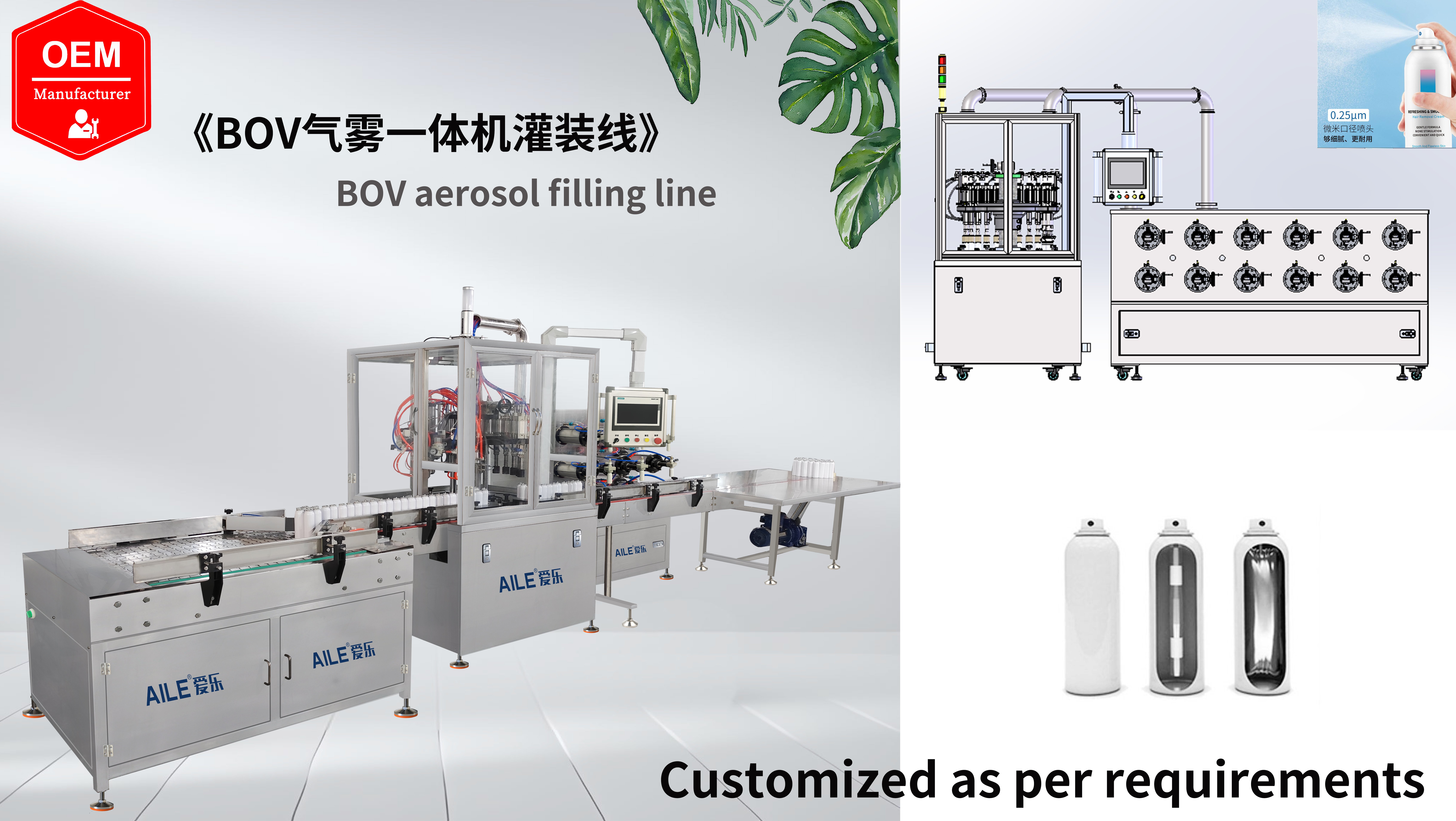
انتقال به این روش بستهبندی پایدار، ماشینآلات صنعتی قوی و با دقت بالا را میطلبد. برخلاف پرکردن استاندارد اسپریهای ائروسل که در آن شیر پس از ریختن محصول به داخل ظرف، بهصورت فشاری (کریمپ) میشود، منطق اتوماسیون خط تولید بستهبندی با سیستم «کیسه روی شیر» دنبال ترتیبی بسیار تخصصی است:
هنگام ارزیابی سازندگان جهانی ماشینهای بستهبندی با سیستم «کیسه روی شیر»، خریداران هوشمند B2B باید به سفارشیسازی و کیفیت ساخت اولویت دهند:
آینده بازار جهانی اسپریها متعلق به راهحلهای بستهبندی پایدار است. پذیرش فناوری «کیسه روی شیر» (Bag on Valve) دیگر صرفاً یک اقدام دوستدار محیطزیست نیست، بلکه استراتژی قدرتمندی برای ارتقای تصویر برند شما، انطباق با استانداردهای نظارتی بینالمللی و دسترسی به بازارهای پریمیوم در آمریکای شمالی، اروپا و مناطق دیگر محسوب میشود.
بهعنوان یک کارخانه برتر تخصصی در زمینه ماشینآلات پیشرفته اسپری و آرایشی، شرکت AILE حمایت مهندسی جامع و پایانبهپایانی برای انتقال شما فراهم میکند. آیا به یک دستگاه نیمهاتوماتیک مستقل پرکنی کیسه روی شیر نیاز دارید یا خط تولید کامل، کاملاً اتوماتیک و پرسرعت؟ تیم متخصص ما طرحهای سفارشی، آموزش فنی و نقلقولهای رقابتی مستقیم از کارخانه را ارائه میدهد.