
Producing a spray-type aerosol fire extinguisher involves much more than simply putting extinguishing liquid into a can.
A typical production process needs to bring together the formulation, aerosol can, valve, pressurizing medium and actuator into a sealed pressurized package that can be manufactured consistently.
For a conventional aerosol fire suppression product, the basic production sequence may include:
Raw Material Preparation → Liquid Filling → Valve Placement → Valve Crimping → Gas or Propellant Filling → Leakage and Production Inspection → Actuator Placement → Cap Placement → Coding → Packing
The exact sequence is not universal. It can change depending on the formulation, valve, propellant or compressed gas, filling method and whether the product uses a conventional aerosol package or Bag-on-Valve system. Therefore, manufacturers should confirm the actual product design before finalizing the production process. This guide explains what happens at each major stage and what product parameters need to be considered.
1. Raw Material Preparation
The process begins before the aerosol can reaches the filling machine. The fire suppression formulation must first be prepared according to the manufacturer's validated product specification. Depending on the actual product, preparation may involve:
- measuring raw materials
- mixing
- agitation
- filtration
- temporary storage
- transferring the finished mixture to the filling system
The exact formulation should not be assumed simply because the finished product is marketed as an “aerosol fire extinguisher” or “fire suppression spray.” Different manufacturers may use very different product systems.
What Parameters Affect This Stage?
Important factors include formulation composition, viscosity, foaming tendency, corrosiveness, settling or separation behavior, sensitivity to contamination, and required product-contact material. These properties can affect both the preparation system and the following filling stage.
Why Does It Matter?
Poorly controlled product preparation can create problems later in the line. For example, changes in viscosity, excessive foam or inconsistent mixing may affect liquid-filling stability. The product preparation stage should therefore be treated as part of the manufacturing process rather than as an isolated operation.
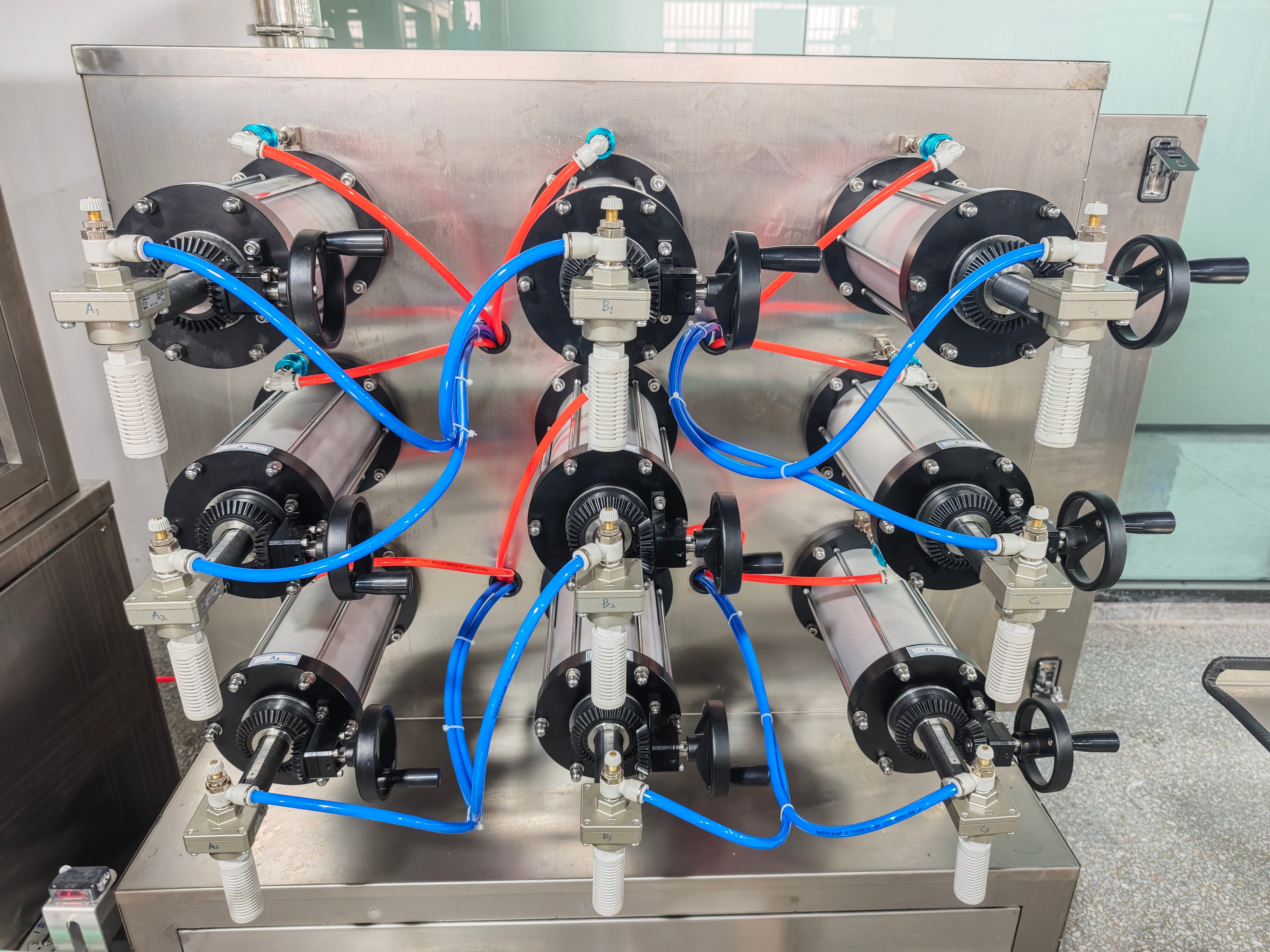
2. Liquid Filling
Once the formulation is ready, a measured quantity of product is introduced into the aerosol can. This is the liquid filling stage. For many conventional aerosol products, the product concentrate is filled into the empty can before the valve is permanently crimped. The filling system must repeatedly deliver the required amount while handling the actual physical characteristics of the formulation.
What Parameters Affect Liquid Filling?
The most important information includes filling volume, formulation viscosity, product density, foaming tendency, required filling accuracy, can diameter, can height, and product-contact material requirements. A thin, free-flowing formulation may behave very differently from a thicker or foam-prone formulation. That is why filling parameters should ideally be confirmed using the manufacturer's real product or representative samples.
Why Does It Matter?
Incorrect product filling can lead to inconsistent net content, product waste, excessive foam, slower production, residue around the can opening, and difficulties during later valve placement or crimping. For manufacturers running several filling volumes, repeatable adjustment between SKUs is also important.
3. Valve Placement
After the required product quantity has been filled, the aerosol valve is positioned on the can opening. The valve is one of the most important components in the finished package because it connects the internal pressurized system to the actuator used to discharge the product. Valve placement may appear simple, but the valve must match the aerosol can and the intended product design.
What Parameters Affect Valve Placement?
Manufacturers should confirm: valve specification, valve cup dimensions, valve stem, gasket, can opening, can material, actuator compatibility, and required discharge characteristics. The same general product category can use different valve configurations. Therefore, equipment selection should be based on the actual valve sample or specification rather than the words “fire extinguisher valve.”
4. Valve Crimping
Once the valve is correctly positioned, it is mechanically crimped onto the aerosol can. Crimping forms the mechanical seal between the valve cup and the can. This is a critical stage because the completed package must maintain pressure after gas filling.
What Parameters Affect Crimping?
The crimping configuration depends on factors such as aerosol can specification, valve specification, valve cup, gasket, crimp dimensions specified for the package, and crimping tooling. The required crimp dimensions should come from the actual can and valve system. They should not be copied from another product simply because both products use standard-looking aerosol cans.
5. Gas or Propellant Filling
After the valve has been secured, the aerosol package is pressurized according to the product design. In a conventional pressure-filling process, a metered quantity of compatible propellant or compressed gas can be introduced through the aerosol valve. This creates the internal pressure required for product discharge.
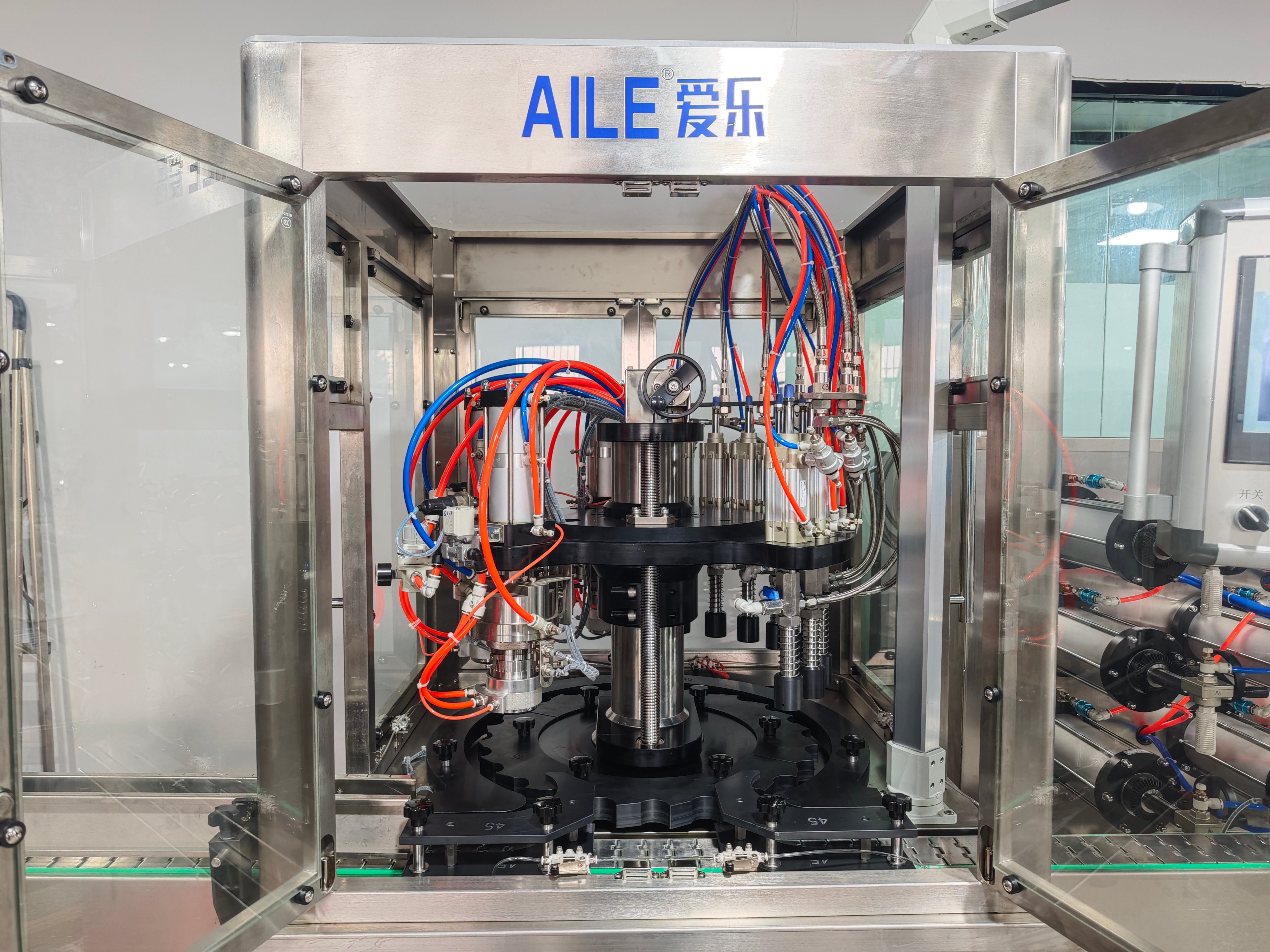
What Parameters Affect Gas Filling?
The gas-filling stage depends on actual propellant or compressed gas, filling quantity, required final pressure, aerosol valve, can specification, product formulation, production environment, and gas supply conditions. Possible aerosol pressurizing media vary by product. They should always be confirmed from the customer's actual formulation and packaging specification.
Why Does It Matter?
Gas filling affects both production and finished-package performance. Incorrect configuration can contribute to inconsistent pressure, unstable filling quantity, leakage, poor discharge behavior, and excessive production rejects. Gas filling must therefore be matched to the product rather than treated as a universal preset operation. For projects involving flammable propellants or other hazardous materials, the production environment and supporting systems must be engineered according to the material properties and applicable local requirements.
6. Leakage and Production Inspection
Once the aerosol can has been filled and pressurized, production inspection becomes especially important. The purpose is not simply to check whether the can “looks good.” The manufacturer needs to verify that the package and filling process are operating within the defined production specifications.
- product fill quantity
- gas filling consistency
- crimp condition
- valve sealing
- visible package damage
- leakage and can condition
- coding and component placement
Water Bath Leakage Testing
A water bath system is one method commonly associated with aerosol production. Filled cans pass through a controlled testing stage where leakage or package abnormalities can be identified according to the manufacturer's validated procedure. However, the exact inspection method and test conditions must be determined according to the product, container and applicable market requirements.
7. Actuator Placement
After filling and primary inspection, the actuator can be fitted onto the aerosol valve. The actuator is the component pressed by the end user to discharge the contents. For a fire suppression spray, discharge performance is part of the overall product design.
What Parameters Affect Actuator Placement?
Relevant considerations include valve stem, actuator design, fit, orientation, spray pattern, discharge rate, and final product design. The filling-machine manufacturer should not independently determine the required fire suppression performance. Instead, the actuator and valve should be supplied or specified according to the customer's validated packaging design.
8. Cap Placement & 9. Coding
Some aerosol fire suppression products use a protective overcap after actuator installation. The cap can help protect the actuator during transportation, storage, carton packing, and normal product handling. Cap design varies significantly between products.
Before final packing, the finished aerosol product may require production identification according to the manufacturer's internal quality system and applicable market requirements (batch identification, production date, traceability).
10. Final Packing
After the product has passed the required production checks, finished cans move to the packing stage. Depending on the factory, this may involve visual inspection, counting, carton packing, case sealing, pallet preparation, and finished-goods identification. At this point, the manufacturing process changes from filling and package assembly to finished-product logistics.
How Does the BOV Filling Process Differ?
Bag-on-Valve fire suppression sprays do not follow exactly the same filling sequence as conventional aerosol packages. A typical BOV concept may involve:
Empty Can → BOV Valve Placement → Pressurization / Crimping → Product Filling Through the Valve Into the Bag → Inspection → Assembly → Packing
The key structural difference is that the product is contained inside a flexible bag while the pressurizing medium remains outside the bag. Because of this packaging architecture, product filling commonly occurs through the valve after the BOV assembly has been installed. BOV should therefore be treated as a separate filling architecture, not simply as another valve fitted to a conventional aerosol process.
What Changes the Aerosol Fire Extinguisher Filling Process?
Before defining the process, manufacturers should confirm at least the following parameters.
| Parameter | Main Process Impact |
|---|---|
| Formulation | Mixing and liquid filling |
| Viscosity | Product preparation and filling |
| Foaming | Filling speed and filling method |
| Corrosiveness | Product-contact materials |
| Filling volume | Liquid dosing |
| Can diameter / height | Handling and changeover |
| Valve | Placement, crimping and gas filling |
| Actuator | Final assembly and discharge design |
| Propellant / compressed gas | Gas filling |
| Required pressure | Filling and inspection |
| Packaging system | Conventional aerosol or BOV process |
| Required output | Production configuration |
FAQ
What is the basic aerosol fire extinguisher filling process?
For many conventional spray-type products, the process includes formulation preparation, liquid filling, valve placement, crimping, gas or propellant filling, leakage and production inspection, actuator and cap assembly, coding and packing. The exact sequence depends on the actual product and packaging design.
Is the liquid filled before or after the aerosol valve is crimped?
In a common conventional aerosol process, the product is filled into the can before valve placement and crimping. However, other filling architectures exist. BOV products, for example, commonly involve product filling through the valve after the BOV assembly has been installed.
How is gas filled into an aerosol fire extinguisher can?
In a conventional pressure-filling configuration, the required propellant or compressed gas can be metered into the sealed can through the aerosol valve. The gas type, filling quantity and required pressure must be confirmed according to the actual product design.
Why is valve crimping important?
Crimping establishes the mechanical seal between the aerosol valve and can. Correct crimping is therefore important for package integrity and pressure retention. The required dimensions depend on the actual can and valve specification.
Why are aerosol cans checked for leakage after filling?
The finished package is pressurized, so manufacturers need to identify sealing or package-integrity problems as part of production quality control. The appropriate leakage-testing procedure should be validated according to the product, package and applicable requirements.
Is BOV filled in the same way as a conventional aerosol can?
No. BOV uses a different packaging structure in which the product is contained inside a bag and separated from the pressurizing medium. This changes the filling sequence and requires a dedicated BOV-compatible process.
Planning an Aerosol Fire Suppression Filling Project?
Before the production process or equipment configuration can be finalized, AILE needs to understand the actual product. Please provide:
- product or formulation type & liquid filling volume
- aerosol can dimensions and material
- valve and actuator specifications
- propellant or compressed gas & required pressure
- required production capacity
AILE can then evaluate the appropriate filling process and equipment configuration based on your actual aerosol fire suppression product. Send us your product and packaging specifications to discuss your aerosol filling project.