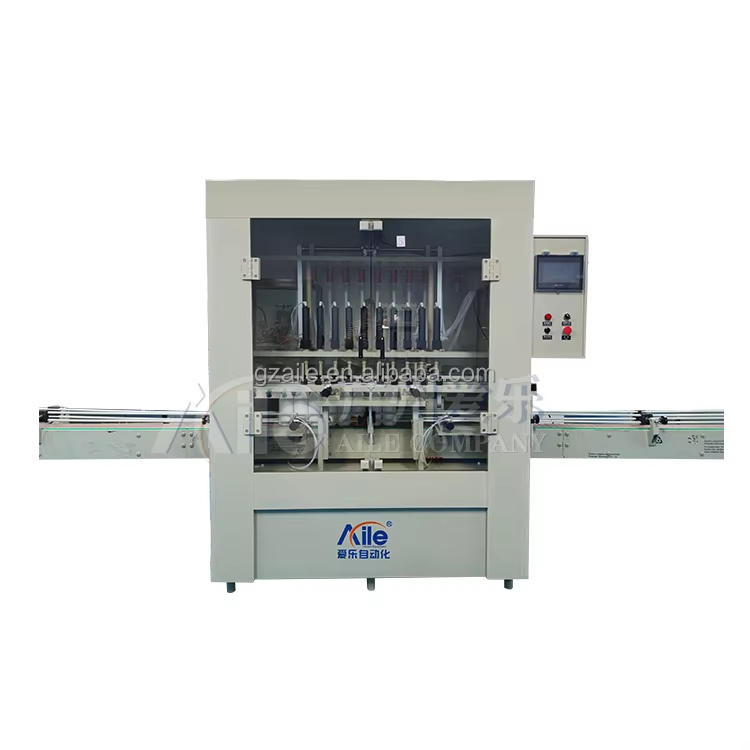
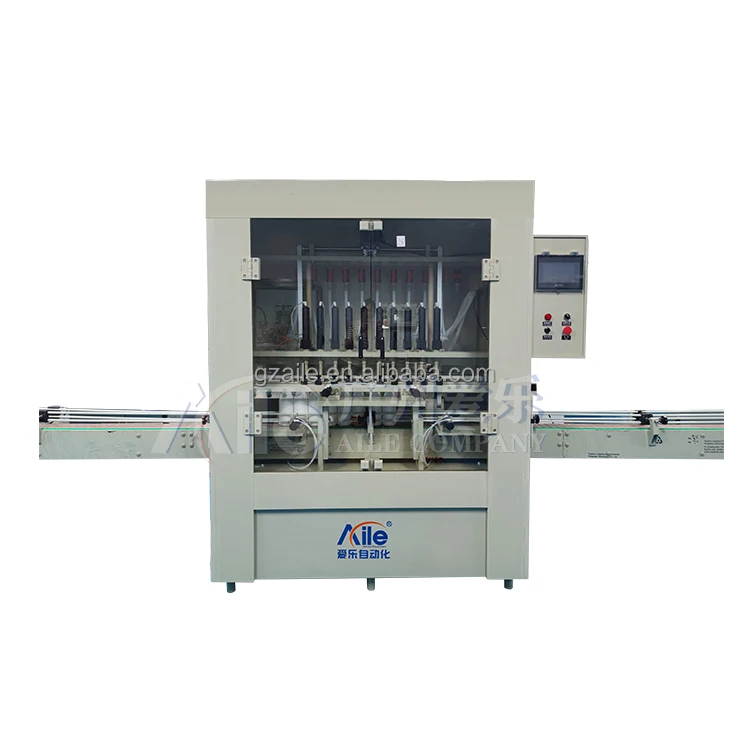
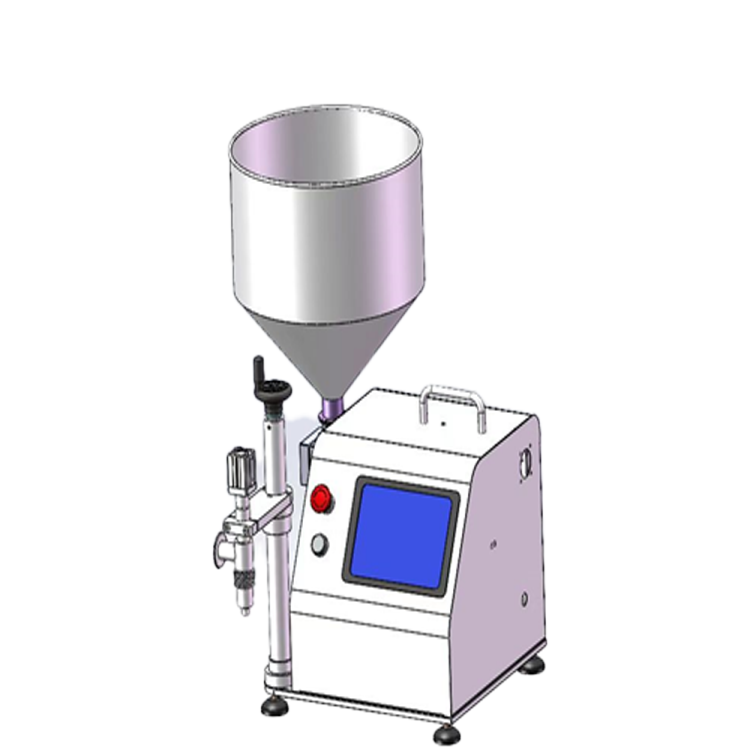
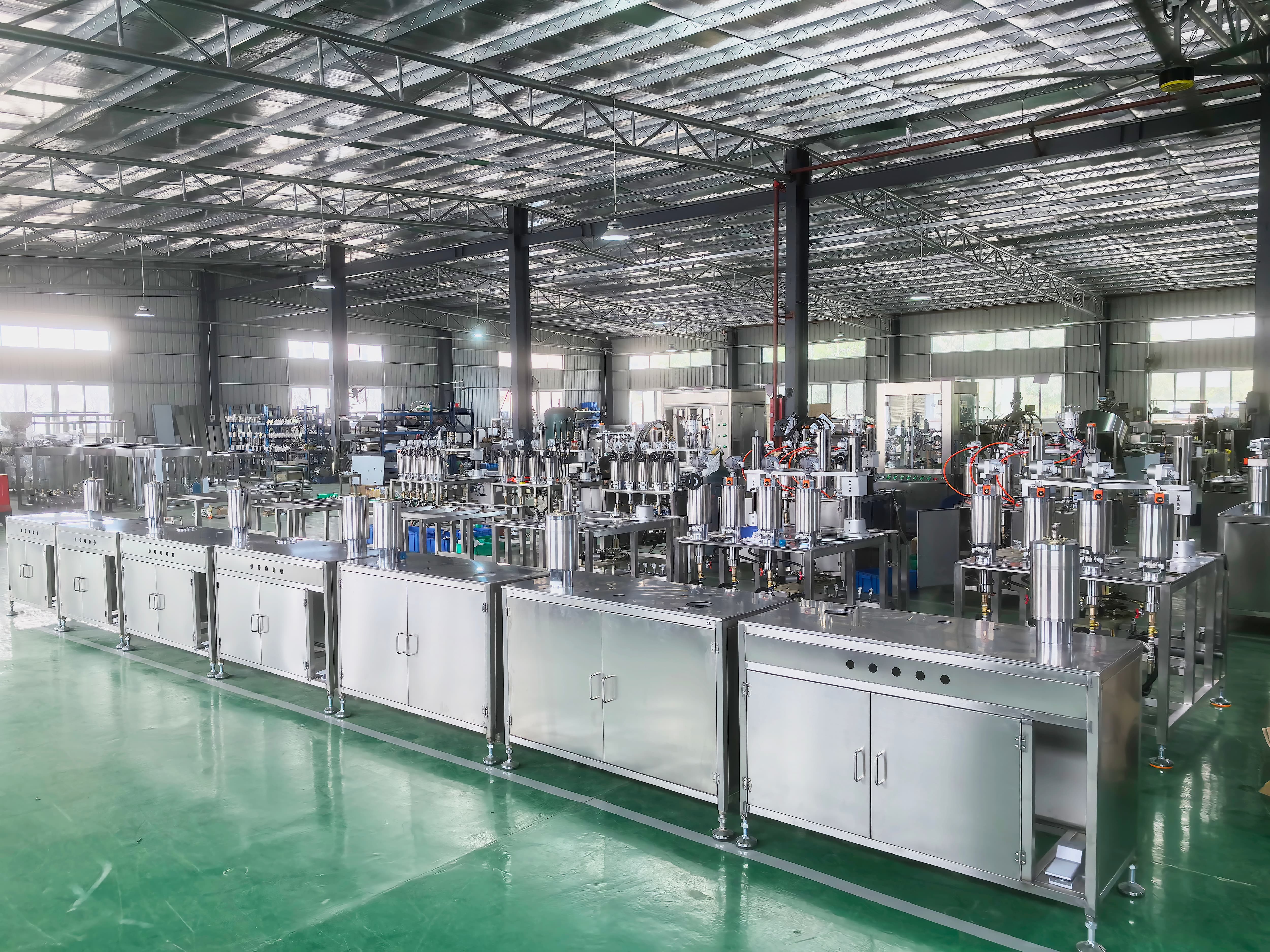
In modern detergent manufacturing, liquid detergent filling machines have become core equipment for enhancing production efficiency and ensuring product quality. Utilizing high-precision automation technology, these machines guarantee consistent filling volumes for every bottle, effectively eliminating overfilling or underfilling issues common in manual operations. This reduces raw material waste, lowers production costs, safeguards brand reputation, and ensures compliance with regulatory requirements.
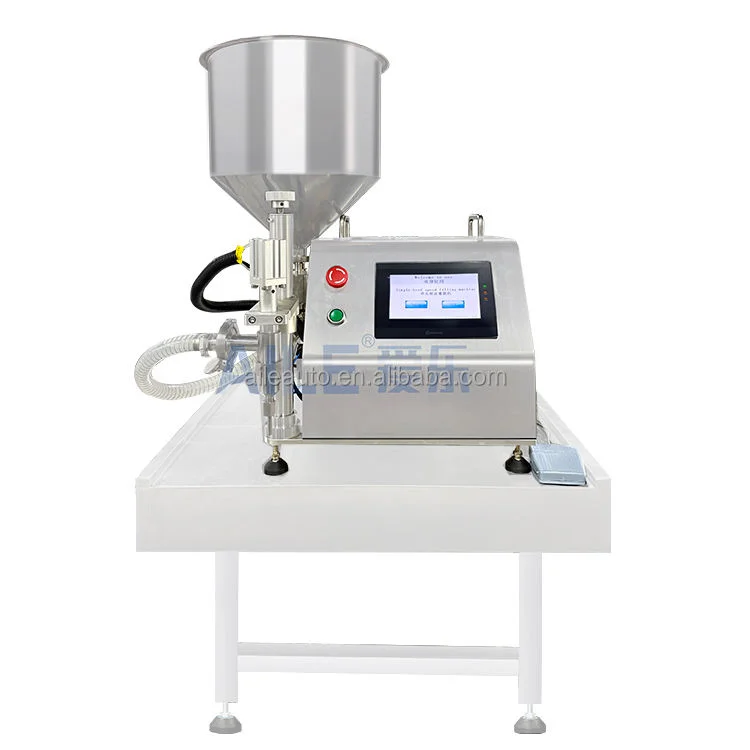
Simultaneously, liquid detergent filling machines significantly boost production line throughput, completing hundreds or even thousands of bottles per hour. This capability meets large-scale order demands, providing a reliable technological foundation for businesses to respond swiftly to market changes and expand operations. Its adaptability handles liquid detergents of varying viscosities—from thin solutions to thick gels—while supporting diverse container sizes. Quick setup changes enable flexible production, helping businesses adapt to multifaceted market demands.
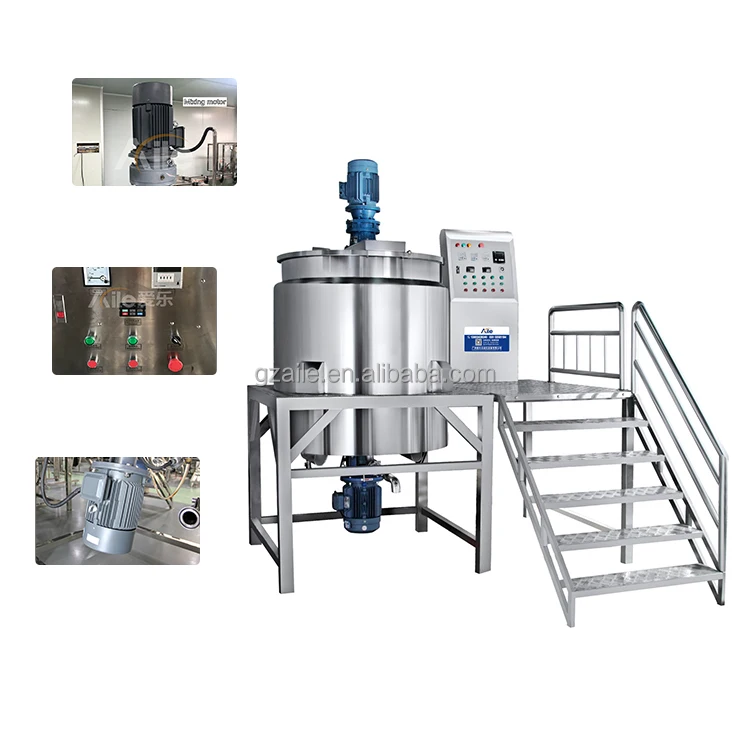
From an investment return perspective, while the initial cost of filling machines is relatively high, the long-term benefits are substantial. Automated operation significantly reduces reliance on manual labor, minimizing product loss and contamination risks caused by human error. Constructed from corrosion-resistant materials like stainless steel, the equipment ensures hygiene and safety during detergent production, meeting industry quality standards.
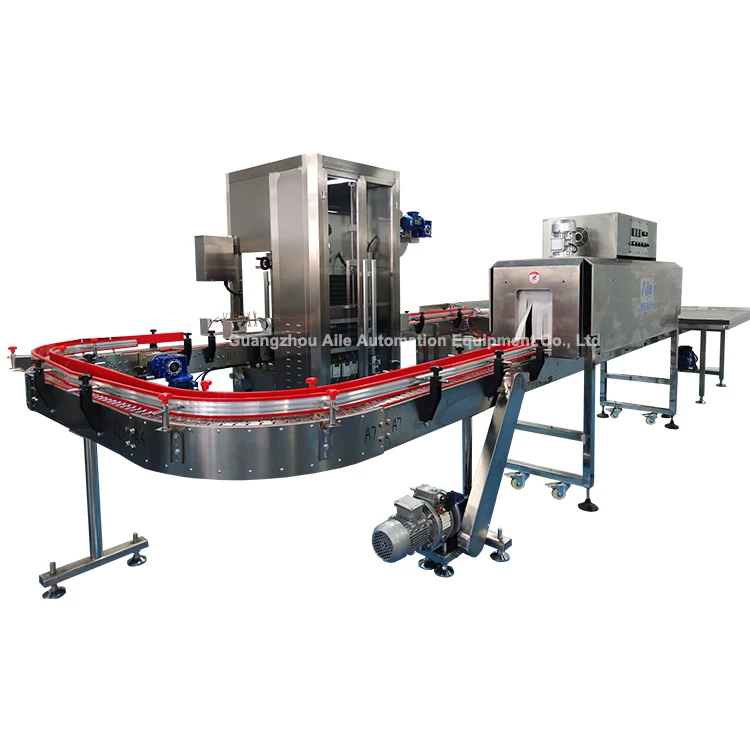
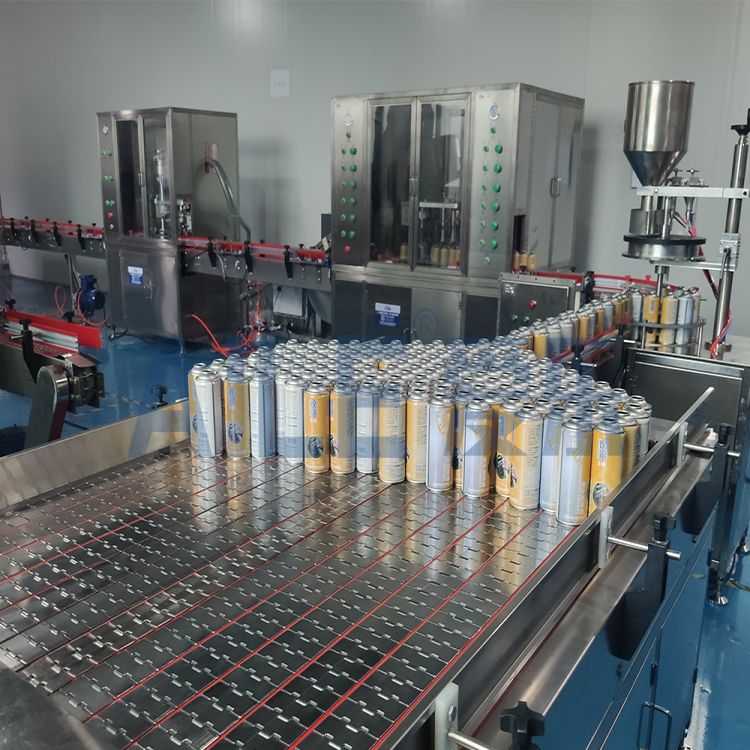
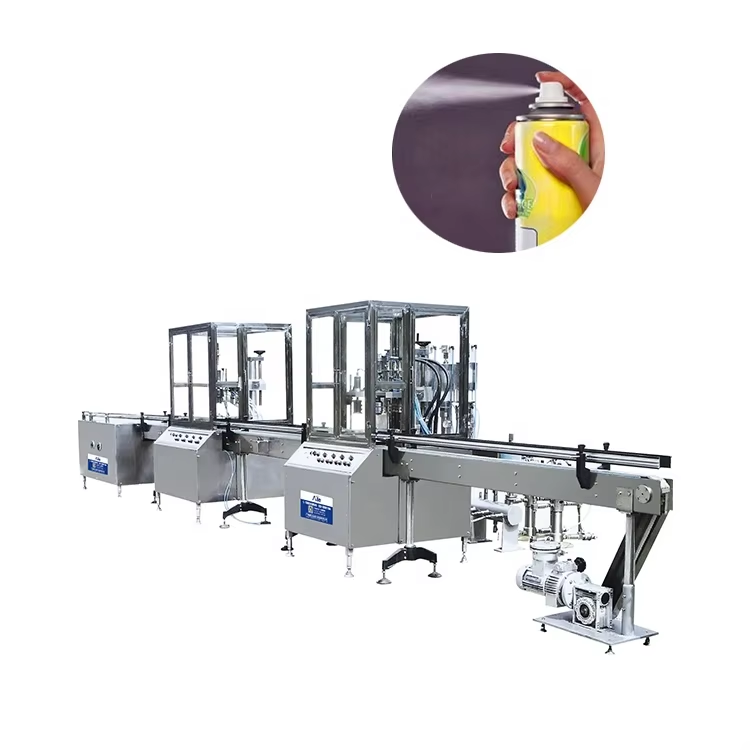
More importantly, liquid detergent filling machines offer excellent scalability, seamlessly integrating with other packaging equipment (such as capping, labeling, and coding systems). This provides a solid foundation for building comprehensive, efficient production lines, supporting sustained business growth and future expansion.
In summary, liquid detergent filling machines are not only critical tools in the production process but also essential safeguards for enhancing comprehensive competitiveness and achieving scalable development. Selecting a high-performance filling system translates to significant advantages in precision, efficiency, cost control, and product quality.