
Understanding the Role of Automatic Packaging in Cosmetic Bottle Sealing
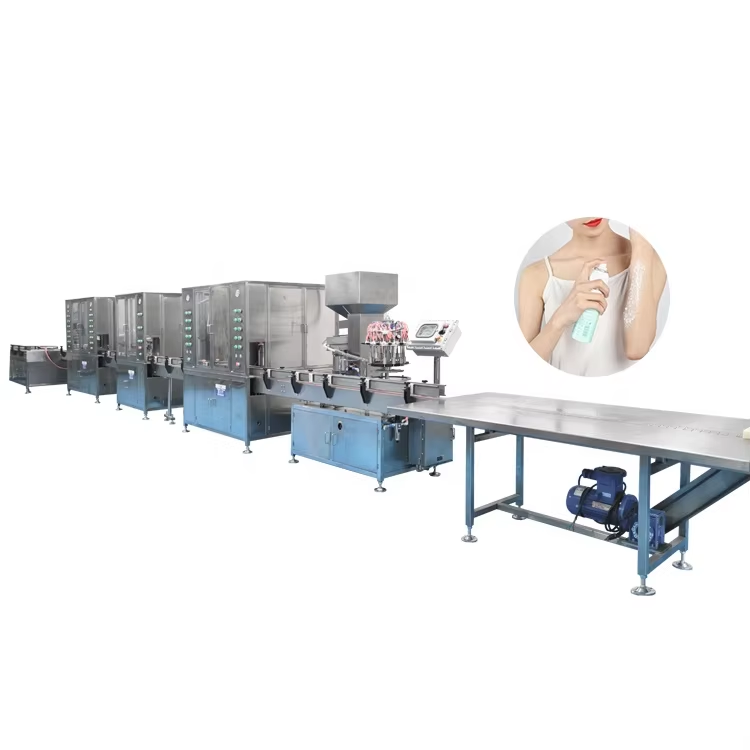
Cosmetic manufacturers who handle plastic bottles for shampoos, lotions, and serums frequently encounter sealing defects that lead to leakage during transit or contamination on store shelves. Automatic packaging plastic cosmetic chemical bottle sealing machines address this problem by applying consistent heat or induction sealing to each container, ensuring that every unit meets the same closure standard. For production managers evaluating a cosmetic filling machine upgrade, the sealing stage is often where manual operations introduce the most variability. An automatic sealing system integrates directly with the filling line, using sensor-controlled temperature and pressure to maintain uniform seal integrity across thousands of bottles per shift. This consistency matters because even a two percent seal failure rate can translate to significant product loss when running high-volume cosmetic batches.
How Induction and Heat Sealing Technologies Work in Cosmetic Packaging
Automatic sealing machines for cosmetic bottles typically use one of two primary technologies: induction sealing or direct heat sealing. Induction sealing works by placing an aluminum foil liner inside the bottle cap, then passing the capped bottle under an electromagnetic coil that heats the foil, bonding it to the bottle mouth. This method creates a hermetic seal that provides tamper evidence and protects against oxygen and moisture ingress. Direct heat sealing uses heated plates or bands that apply thermal energy to a film or membrane placed over the container opening. Both approaches require precise temperature control, and modern automatic packaging systems incorporate PID controllers that adjust heat output in real time based on conveyor speed and bottle material. A cosmetic filling machine line that includes integrated sealing can handle polyethylene (PE), polypropylene (PP), and PET bottles commonly used in personal care packaging, switching between container types with minimal changeover time.
Key Benefits of Integrating Automatic Sealing with Cosmetic Filling Lines
Production teams that integrate automatic sealing machines into their cosmetic filling line report several operational improvements. First, throughput increases significantly because the sealing module operates at the same speed as the filling nozzles, eliminating the bottleneck that occurs when operators hand-seal bottles. Second, seal quality becomes measurable and repeatable. Automatic systems can log temperature, pressure, and dwell time data for each batch, creating a traceable quality record that supports regulatory compliance under ISO 22716 cosmetic GMP guidelines. Third, labor costs decrease because one operator can monitor the integrated line instead of dedicating separate personnel to sealing. For manufacturers filling viscous products like creams or gels, the sealing machine also prevents product contamination by ensuring that no filling residue on the bottle thread interferes with the seal, since the system applies consistent downward pressure that wipes the sealing surface clean before applying heat.
Application Example: Scaling from Manual to Automatic Sealing in a Skincare Production Facility
Consider a mid-size skincare manufacturer producing toner and serum in 30ml and 50ml PET bottles. Using a semi-automatic cosmetic filling machine with manual capping, the facility achieved roughly 1,200 bottles per hour but experienced intermittent leakage complaints from distributors, particularly during summer shipping when elevated warehouse temperatures expanded air inside the bottles. After installing an automatic induction sealing module downstream of the filling and capping stations, the facility increased output to 2,800 bottles per hour and reduced leakage-related returns to under 0.3 percent. The sealing module featured an automatic bottle rejection system that diverted any container where the foil was not properly applied, ensuring that defective units never reached the labeling stage. This type of integration demonstrates how automatic packaging equipment solves both speed and quality problems simultaneously, making it a practical investment for growing cosmetic brands.
Evaluating Sealing Machine Specifications for Cosmetic Production Lines
When sourcing an automatic sealing machine for cosmetic bottles, buyers should evaluate several technical parameters. Conveyor speed compatibility is critical because the sealing unit must match the output rate of the upstream cosmetic filling machine. Power consumption typically ranges from 2 to 6 kilowatts for induction sealers, depending on cap diameter and required seal strength. The machine should accommodate cap sizes from 20mm to 70mm without requiring extensive tooling changes. Buyers should also verify that the sealing head height is adjustable to handle different bottle heights, and that the system includes a water cooling mechanism for the induction coil to prevent overheating during extended production runs. Manufacturers such as Guangzhou Aile Automation Equipment produce sealing machines designed to integrate with their filling lines, offering compatibility across aerosol, liquid, and cream cosmetic products. ISO 9001 and CE certifications provide assurance that the equipment meets international quality and safety standards.
Cost-Benefit Analysis and Implementation Considerations
The investment in an automatic sealing machine varies based on production scale and sealing technology. For small to medium cosmetic producers running single-shift operations, a semi-automatic induction sealer may suffice for outputs up to 2,000 bottles per hour. For larger operations or those planning to scale, a fully automatic in-line sealing system integrated with the cosmetic filling machine delivers faster return on investment through reduced labor, lower reject rates, and higher throughput. Implementation typically requires aligning the sealing conveyor with existing filling and capping equipment, calibrating temperature settings for each bottle material, and training operators on the control interface. Production managers should also consider the availability of after-sales support, spare parts, and technical documentation when selecting a supplier, as downtime on the sealing line can halt the entire filling operation.
Frequently Asked Questions
What types of cosmetic bottles are compatible with automatic sealing machines?
Automatic sealing machines work with plastic bottles made of PE, PP, PET, and HDPE, as well as glass containers with appropriate cap liners. The key requirement is that the bottle opening accommodates an induction foil liner or heat-sealable membrane. Most cosmetic filling machine lines can be configured to handle bottle diameters from 20mm to 70mm.
How does an automatic sealing machine improve quality control compared to manual sealing?
Automatic systems apply consistent temperature, pressure, and dwell time to every bottle, eliminating the variability inherent in manual operations. They also log production data for traceability and can automatically reject bottles with defective seals, ensuring that only properly sealed containers proceed to packaging.
Can an automatic sealing machine be integrated with an existing cosmetic filling line?
Yes, most automatic sealing machines are designed with adjustable conveyor heights and speeds to integrate with existing filling and capping equipment. Buyers should verify that the sealing conveyor width and speed match their current line specifications, and confirm that the supplier provides installation support and compatibility assessment.
Table of Contents
- Understanding the Role of Automatic Packaging in Cosmetic Bottle Sealing
- How Induction and Heat Sealing Technologies Work in Cosmetic Packaging
- Key Benefits of Integrating Automatic Sealing with Cosmetic Filling Lines
- Application Example: Scaling from Manual to Automatic Sealing in a Skincare Production Facility
- Evaluating Sealing Machine Specifications for Cosmetic Production Lines
- Cost-Benefit Analysis and Implementation Considerations
- Frequently Asked Questions