
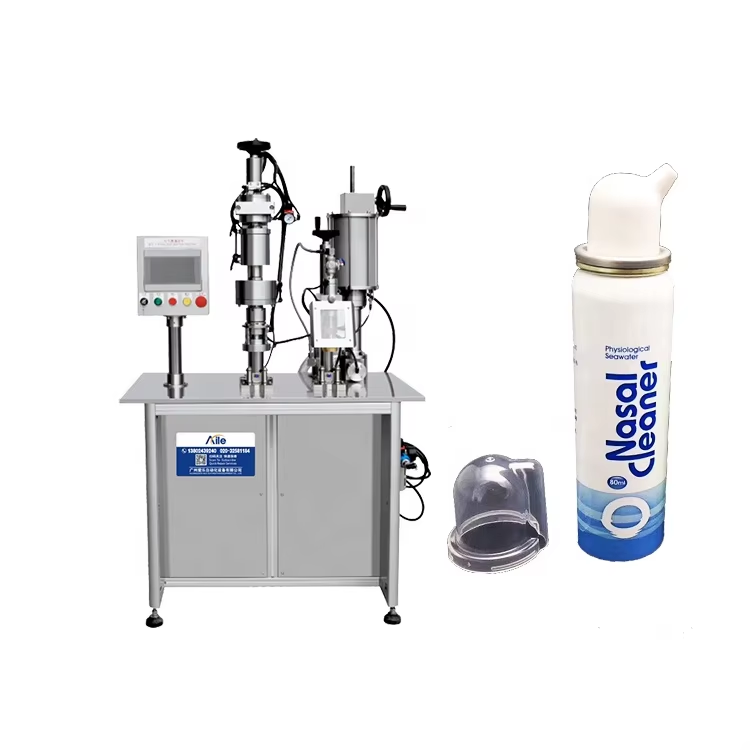
Precision Filling Performance for High-Value Cosmetic Formulations
In the competitive cosmetics industry, precise filling is non-negotiable for high-value formulations like serums and concentrated actives. Even minor volumetric deviations can compromise product efficacy, consumer trust, and regulatory compliance. Advanced cosmetic filling machines deliver the required precision through cutting-edge technologies—ensuring each container meets exact specifications while supporting brand integrity and cost efficiency.
Micro-dosing accuracy (±0.25%) for serums and actives
Modern cosmetic filling machines achieve micro-dosing accuracy within ±0.25%, setting a new industry benchmark for precision. This level of control is essential when handling expensive, low-volume actives—such as peptides, retinoids, or stabilized vitamin C—where overfilling drives up raw material costs and underfilling risks consumer dissatisfaction and regulatory scrutiny. Compared to legacy systems with ±1% tolerance, a 0.25% variance reduces giveaway by up to 75% per batch, translating to significant savings at scale.
Key enablers include servo-driven piston fillers for creams and gels, which maintain accuracy across viscosity ranges; mass flow meters for consistent volumetric dosing of foamy or low-viscosity liquids; and peristaltic pump systems that ensure ultra-clean, contamination-free delivery of sensitive serums. Together, these technologies guarantee every unit contains the exact specified dose—preserving clinical performance, stability, and brand reputation.
Real-time closed-loop correction using load cells and optical sensors
To sustain ±0.25% accuracy across thousands of units, advanced machines rely on real-time closed-loop correction. Load cells continuously monitor container weight during filling, while optical sensors detect foam, bubbles, or meniscus inconsistencies. This data feeds into an integrated controller that dynamically adjusts flow rate, piston stroke, or valve timing—compensating for viscosity shifts, temperature drift, or minor container positioning errors within milliseconds.
The result is consistent precision across variable production conditions—from pilot-scale artisanal lines to high-speed manufacturing—without manual recalibration. Closed-loop systems reduce rejected batches by up to 90% compared to open-loop alternatives and support automatic adaptation to container tolerances, environmental fluctuations, and formulation changes.
Hygienic Design and Regulatory Compliance for Cosmetic Filling Machines
3-A/FDA-compliant wetted parts with electro-polished stainless steel and zero-dead-leg architecture
Hygiene begins with materials and geometry. Wetted components made from 316L electro-polished stainless steel provide a smooth, non-porous surface that resists corrosion, prevents microbial adhesion, and enables effective cleaning. Zero-dead-leg architecture eliminates stagnant zones where residues or biofilms could accumulate—critical for high-value, preservative-light formulations such as clean-beauty serums and microbiome-balancing lotions.
These design principles align with 3-A Sanitary Standards and FDA food-grade requirements—increasingly adopted as de facto benchmarks by leading personal care manufacturers. By embedding hygiene into hardware, rather than relying solely on procedural controls, machines reduce contamination risk and strengthen compliance posture for global markets.
Automated Clean-in-Place (CIP) validation logs aligned with EU Annex 1 and ISO 22716
Manual cleaning introduces variability in execution and documentation gaps that auditors routinely flag. Modern machines integrate fully automated Clean-in-Place (CIP) cycles with real-time validation: time-stamped logs record temperature, flow rate, detergent concentration, and rinse conductivity—directly satisfying traceability requirements in EU Annex 1 (for aseptic processing) and ISO 22716 (GMP for cosmetics).
This validated automation shortens batch release times, reduces human error, and ensures consistent hygiene across shifts. When paired with hygienic hardware design, it delivers a robust, auditable foundation for quality assurance—while also lowering water and chemical consumption to support sustainability commitments.
Agile Automation: Supporting Small-Batch and Customized Production
Modern cosmetic filling machines are engineered for agility—not just speed—enabling manufacturers to pivot seamlessly between small-batch runs, limited editions, and region-specific formulations without compromising quality or efficiency. This flexibility meets rising demand for personalized skincare, rapid innovation cycles, and responsive supply chains—all while maintaining profitability and compliance.
Rapid format changeovers (<12 min) across creams, lotions, and gels
Modular tooling, magnetic coupling nozzles, and pre-calibrated container handling systems allow operators to switch between viscous creams, aqueous lotions, and shear-sensitive gels in under 12 minutes—eliminating traditional downtime associated with mechanical reconfiguration. Self-adjusting viscosity compensation algorithms further streamline transitions by auto-tuning fill parameters based on real-time rheological feedback.
This capability transforms production planning: brands can launch seasonal collections, run A/B formulation tests, or fulfill regional regulatory variants with minimal lead time—turning operational agility into a strategic differentiator.
AI-driven recipe management and digital twin integration for full traceability
Embedded AI controllers link formulation recipes directly to machine settings—automatically adjusting fill volume, nozzle pressure, and conveyor speed in response to live viscosity readings or ambient conditions. Each batch generates a digital twin: a synchronized virtual record capturing ingredient lot numbers, environmental data (temperature/humidity), machine performance metrics, and QC checkpoint results.
This end-to-end traceability supports rapid root-cause analysis, simplifies audit preparation, and enables predictive quality assurance. Combined with rapid changeovers, it forms the backbone of a responsive, data-driven manufacturing ecosystem—one capable of delivering both mass customization and uncompromising consistency.
Smart Integration and Sustainable Filling Technology
Today’s cosmetic filling machines are intelligent nodes in a connected production network. Integrated IoT sensors—on load cells, flow meters, vision systems, and drive motors—feed real-time data to cloud-based analytics platforms. These systems enable adaptive process control that minimizes giveaway, optimizes energy use, and extends equipment life.
Predictive maintenance algorithms analyze vibration, thermal, and torque patterns to schedule interventions before failures occur—reducing unplanned downtime by up to 30%. On the sustainability front, smart platforms support fast transitions to recyclable packaging formats, low-carbon formulations, and water-efficient CIP cycles. Crucially, closed-loop precision filling cuts product giveaway, directly lowering raw material consumption and waste generation.
By unifying connectivity, intelligence, and precision, next-generation filling technology helps manufacturers meet dual imperatives: achieving stringent quality and compliance targets while advancing environmental, social, and governance (ESG) goals—without sacrificing throughput or flexibility.
FAQ Section
What is micro-dosing accuracy, and why is it essential for cosmetic filling?
Micro-dosing accuracy refers to the ability to fill containers with a high degree of precision, typically within ±0.25%. This ensures that each product contains the exact dosage of active ingredients, preserving product efficacy, reducing waste, and maintaining regulatory compliance.
How do cosmetic filling machines ensure hygienic operations?
Cosmetic filling machines utilize materials like electro-polished stainless steel and zero-dead-leg architecture to enhance cleanliness. Automated Clean-in-Place (CIP) cycles further ensure consistent sanitation and compliance with global standards such as ISO 22716 and EU Annex 1.
What makes modern cosmetic filling machines agile for small-batch production?
Features like rapid format changeovers (<12 minutes), AI-driven recipe management, and modular tooling enable manufacturers to shift between production runs quickly. These capabilities support personalized skincare and rapid innovation cycles without sacrificing efficiency.