
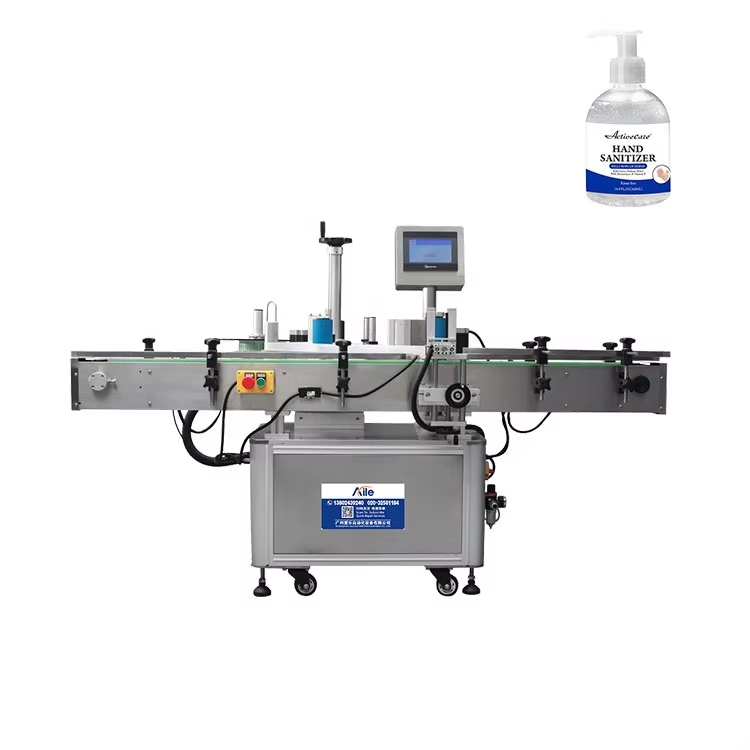
Achieving ±0.5% Fill Accuracy: Reducing Waste and Ensuring Regulatory Compliance
Impact of Precision on Product Yield and Rejection Rates
Getting accurate measurements from liquid filling machines makes all the difference when it comes to how much product actually gets produced. When workers fill containers manually, there's usually around a 5% variance in volume, which translates to roughly 5% wasted materials for every 10,000 items made. That adds up fast. On the flip side, automated systems can hit within half a percent accuracy thanks to those fancy servo pumps and laser sensors they've got these days. This kind of precision cuts down on rejected products by nearly 92%, plus saves companies from getting hit with fines for not meeting fill requirements. For something like hand sanitizer bottles, this level of control means each container passes both FDA standards and EU Annex 1 regulations. And let's not forget about the bottom line stuff either – factories save about 30% on waste costs annually. So what does this all mean? More products going out the door, fewer headaches with regulators, and definitely less money spent fixing mistakes later on.
From Manual Variability (±5%) to CNC-Controlled Liquid Filling Machine Dispensing
Manual filling introduces inconsistent viscosity handling and human error, creating ±5% fill deviations. CNC-controlled liquid filling machines transform this via programmable logic controllers and real-time flow metering—auto-adjusting for temperature shifts and liquid density within 15ms, faster than human perception. Production lines upgrading to automation report:
- Waste reduction from 500mL to <20mL per 10,000 units
- 40% faster changeovers with self-calibrating nozzles
- 100% audit compliance through digital batch logging
Such precision prevents underfilled units that risk brand trust while optimizing material usage.
Boosting Throughput: How Liquid Filling Machines Increase Bottling Speed While Maintaining Sterility
Cycle Time Optimization: Scaling from 8 to 22 Bottles/Minute
Automated liquid filling machines transform hand sanitizer production by accelerating cycle times while preserving product integrity. Manual filling caps at 8 bottles/minute due to human-paced handling and inconsistent pours. Modern systems achieve 22+ bottles/minute through three core innovations:
- Multi-head nozzle arrays filling 4–12 containers simultaneously
- Servo-driven conveyors eliminating idle time between stations
- Automated viscosity compensation maintaining flow accuracy across batches
Negative pressure chambers combined with HEPA filtered air barriers keep sterile conditions intact around filling stations. These systems effectively block airborne particles while maintaining fast production speeds on the manufacturing line. Many plants see their yearly output jump anywhere between 30 to 40 percent once they upgrade to automated processes. Less manual contact means fewer chances for microbes to contaminate products, which matters a lot for companies making sanitizers that need FDA approval. After all, when something gets into these cleaning products, it can pose serious health risks to consumers. The best part? Modern automation doesn't force manufacturers to choose between speed and cleanliness. Instead, smart engineering makes both possible at the same time.
Minimizing Downtime with Automated Calibration and Real-Time Monitoring
AI-Driven Fill Verification Cuts Changeover Time by 40%
Most manufacturers know all too well that switching between different hand sanitizer formulations usually takes around 20 to 30 minutes worth of hands-on checking and readjusting whenever they restart production lines. But things have changed dramatically with the introduction of smart optical sensors powered by artificial intelligence. These systems keep a constant eye on fill levels while the machines are running, cutting down the same process to just over 11 minutes now. Behind the scenes, these advanced systems analyze roughly 1,200 different factors every single minute including subtle shifts in product thickness and where bottles sit on conveyor belts, allowing them to tweak pump settings almost instantaneously. Plants that implement this tech report getting close to 99% accuracy right off the bat according to Process Automation Journal from last year. And it makes sense when looking at what happens otherwise: underfilled containers can lead to serious compliance issues with health authorities, while overfilling costs companies nearly $18k each year in wasted raw materials across a single production line.
Predictive Maintenance for Peristaltic and Piston Liquid Filling Machines
Mechanical failures in peristaltic tubes and piston seals account for 73% of unplanned downtime in sanitizer bottling. Modern solutions embed IoT vibration sensors directly in liquid filling machine components to track:
| Parameter | Peristaltic Pumps | Piston Fillers | Failure Prediction Lead Time |
|---|---|---|---|
| Vibration Patterns | Tube deformation signals | Seal wear indicators | 48–72 hours |
| Temperature Spikes | Motor overuse warnings | Cylinder friction alerts | 24–36 hours |
| Cycle Deviations | Flow rate inconsistencies | Pressure fluctuations | 60–80 cycles |
These systems analyze historical performance data against real-time metrics to schedule maintenance during planned downtime. Facilities using predictive protocols report 55% fewer seal replacements and 40% less hydraulic fluid consumption. By transitioning from reactive to condition-based maintenance, manufacturers extend mean time between failures (MTBF) by 1,200 operational hours while maintaining sterility compliance.
Supporting FDA and EU Annex 1 Compliance Through Precision Engineering
Manufacturers of hand sanitizers need to stick to strict FDA and EU Annex 1 regulations that demand fill accuracy within ±0.5% and completely clean production environments. Specialized liquid filling equipment gets around these challenges with sealed system designs that stop dust and particles from getting in during production. These machines also use advanced servo pumps to measure out just the right amount each time. Getting the measurements right matters a lot because too little product means ineffective sanitizers while too much leads to fines for not following rules. The Ponemon Institute found that recalls cost companies about $2.3 million on average, and this affects nearly three quarters of all drug makers. Modern systems come with built-in validation features that automatically record every detail of each fill operation. This creates detailed records needed for compliance checks and cuts down on paperwork mistakes by almost a third according to research published in the Journal of Validation Technology last year. When it comes to meeting Category 1 medical device standards, keeping everything sterile throughout the process and using materials that won't react with chemicals is essential to avoid tiny bits of contamination or unwanted substances ending up in the final product.
FAQ
What is the main advantage of achieving ±0.5% fill accuracy?
Achieving ±0.5% fill accuracy drastically reduces material waste, ensures regulatory compliance, and minimizes product rejection rates.
How does automation affect bottling speed and sterility?
Automation increases speed by allowing systems to fill up to 22+ bottles per minute while maintaining sterility with negative pressure chambers and HEPA filters.
What role does AI play in modern liquid filling machines?
AI-driven systems provide real-time monitoring and adjustments, reducing changeover times and ensuring consistent fill accuracy across production lines.
How do predictive maintenance systems work in liquid filling machines?
Predictive maintenance systems use sensors to monitor vibration patterns and temperature spikes, allowing for timely maintenance scheduling that reduces unplanned downtime.
Table of Contents
-
Achieving ±0.5% Fill Accuracy: Reducing Waste and Ensuring Regulatory Compliance
- Impact of Precision on Product Yield and Rejection Rates
- From Manual Variability (±5%) to CNC-Controlled Liquid Filling Machine Dispensing
- Boosting Throughput: How Liquid Filling Machines Increase Bottling Speed While Maintaining Sterility
- Minimizing Downtime with Automated Calibration and Real-Time Monitoring
- Supporting FDA and EU Annex 1 Compliance Through Precision Engineering
- FAQ