
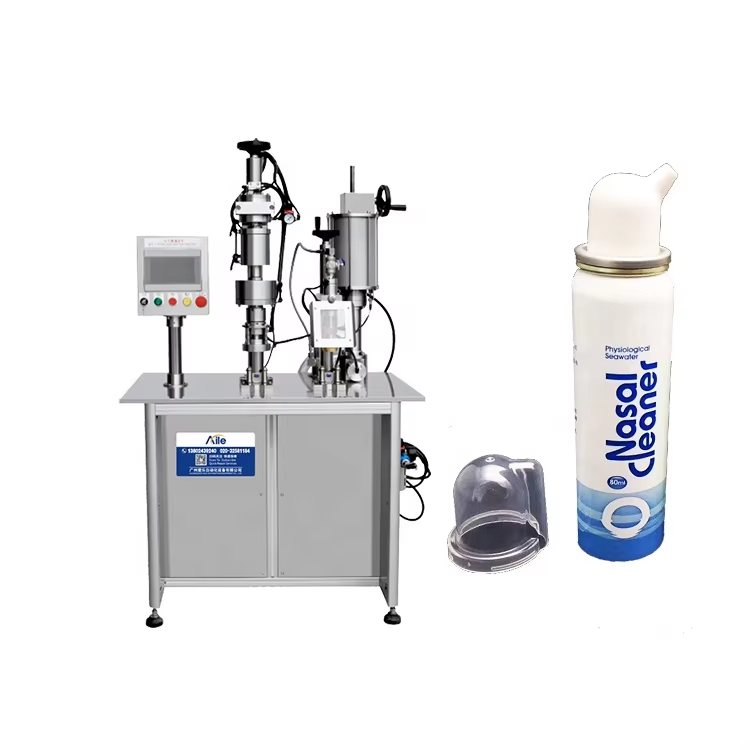
Why Fill Accuracy Is the Foundation of Product Consistency
How ±0.5% fill tolerance prevents dosage drift across batches
Keeping fill tolerances within +/- 0.5% remains essential for ensuring consistent results between batches in personal care products. Small errors that happen frequently with older machines or manual systems tend to build up over time, creating what's known as dosage drift which really affects how well the product works. When making things like shampoo or hair gel, where customers expect the same lather, clean, or hold every time they use it, getting exact volumes matters a lot. Modern volumetric piston fillers equipped with servo controls handle these challenges by adjusting automatically when formulas change viscosity levels, say going from a light 5,000 cP shower gel to something thicker like a 50,000 cP hair gel, all without needing to reset the machine. Products that aren't filled properly not only feel less effective to users but also risk running afoul of regulations, especially if packages end up containing less than legally required amounts.
The cascading impact of inconsistent fills on consumer perception and brand trust
When product fills are inconsistent, this really damages both consumer trust and creates serious risks for operations. Just one shampoo bottle that's underfilled can boost customer service calls by about 23 percent according to the Consumer Goods Compliance Report from 2023. And if these issues happen repeatedly? Customer turnover doubles within half a year. People notice when there's inconsistency either visually, through weight differences, or just because the product doesn't perform as expected. About 79 out of 100 customers start questioning the whole brand's quality standards, and roughly half end up switching to other brands completely. The problem gets even worse legally speaking too. Chronic underfilling breaks global weights and measures laws everywhere, which means companies face penalties reaching as high as seven hundred forty thousand dollars per incident based on Ponemon Institute data from last year plus having to recall products. For businesses operating in markets where customers actually care about reliability rather than flashy advertising campaigns, getting fill amounts right isn't just some technical specification. It literally becomes the frontline battle for keeping the brand alive in competitive markets.
Liquid Filling Machine Design for Variable Viscosity: From Shampoo to Hair Gel
Selecting the optimal liquid filling machine is essential for personal care products like shampoos and hair gels, where viscosity variations demand tailored technology to maintain fill precision and prevent waste.
Piston, peristaltic, and servo-driven auger systems—matching technology to formulation rheology
Piston fillers are great for getting precise measurements when dealing with medium thick products like shampoo, which typically ranges between 100 and 10,000 mPa·s. These machines work by moving pistons back and forth, making sure each dose comes out exactly the same every time. When working with thinner, delicate formulas such as gentle shower gels around 1 to 2,000 mPa·s, peristaltic pumps become the better choice. They squeeze liquid through tubes without touching it directly, so there's no risk of contamination during production. For really thick hair gels that can go up to 300,000 mPa·s, manufacturers turn to servo driven auger systems. These use spinning screws to dispense product smoothly even when viscosity changes throughout the batch. Nobody wants their filling line jammed or full of air bubbles after all. Getting the right filler matched to what's being filled isn't just good practice it's essential if companies want to maintain quality standards while handling all sorts of different products on their production lines.
Real-world performance: <1.2% coefficient of variation across 5,000–50,000 cP (shower gel to thick hair gel)
The industry has seen confirmation that today's liquid filling systems can maintain a coefficient of variation below 1.2%, working effectively across different viscosities ranging from thin 5,000 cP shower gels all the way up to thick 50,000 cP hair gels. With this kind of repeatable performance, manufacturers typically see around 3% fewer overfills and about 2.5% fewer underfills each year according to the latest data from the 2023 Packaging Efficiency Benchmark Report. What makes this really important is how it helps meet those strict FDA standards for fill levels and FTC regulations regarding net product quantity. Instead of relying on inspections after the fact, these systems are built with compliance already baked in. Basically, what used to be a major quality concern becomes just another manageable aspect of production.
Smart Integration: Real-Time Monitoring and Auto-Correction in Liquid Filling Machines
In-line gravimetric verification and closed-loop feedback for shampoo filling machine accuracy
Modern liquid filling equipment now comes with built-in gravimetric checks that keep track of container weights as they move through the production line. These systems work hand in hand with feedback loops that let them tweak pump settings, adjust valve timing, or change auger speeds instantly when something goes off track all without stopping the entire line. Shampoo manufacturers find this particularly useful because changes in temperature or ingredients often mess with how thick the product gets during batches. With these automatic corrections, companies typically save between 3 to 7 percent on wasted product every year. What matters most though is maintaining around half a percent accuracy in fills without anyone needing to step in manually. This keeps things compliant with those ISO 9001 quality standards while cutting out mistakes from human adjustments. Plants that have implemented this technology see almost no variation in product weights even after running multiple shifts straight through.
ROI of Consistency: How Modern Liquid Filling Machines Reduce Waste and Boost Compliance
Liquid filling machines that deliver accurate measurements can slash material waste by around 3.7% each year. This happens because they maintain tight fill tolerances within plus or minus 0.5%, which cuts down on the expensive practice of overfilling products. Getting this right isn't just good for profits either it keeps companies compliant with FTC rules about net quantities, something that's worth worrying about since violations can lead to fines as high as $50,000 for each instance found during inspections. When businesses switch to automated systems, they typically see labor costs drop between 18% and 22%. Why? Because there's less need for people to handle containers manually, do frequent line checks, or fix mistakes after the fact. All these improvements stack up to deliver solid financial benefits. Industry reports indicate that many facilities actually reach their return on investment point within just 14 months when combining all these factors together waste savings, better production speeds, and escaping those costly compliance penalties. Plus, real time monitoring creates detailed fill logs with timestamps that cannot be altered. These records make following FDA 21 CFR Part 11 regulations much easier and prepare companies for audits without extra hassle.
FAQ
Why is fill accuracy important in product manufacturing?
Fill accuracy is crucial because it ensures product consistency across different batches, prevents dosage drift, and maintains consumer trust. It also helps in complying with regulations regarding net product quantities.
What technologies help maintain fill accuracy?
Modern volumetric piston fillers, peristaltic pumps, and servo-driven auger systems are used to maintain fill accuracy. These technologies automatically adjust to changes in viscosity and help in preventing underfills and overfills.
How do modern liquid filling machines reduce waste?
These machines reduce waste by maintaining tight fill tolerances, thus cutting down on overfills and ensuring compliance with regulations. They also reduce labor costs associated with manual corrections and errors.
What role does real-time monitoring play in liquid filling?
Real-time monitoring provides in-line gravimetric verification and closed-loop feedback, allowing automatic adjustments to ensure accurate fills without manual intervention.
Table of Contents
- Why Fill Accuracy Is the Foundation of Product Consistency
- Liquid Filling Machine Design for Variable Viscosity: From Shampoo to Hair Gel
- Smart Integration: Real-Time Monitoring and Auto-Correction in Liquid Filling Machines
- ROI of Consistency: How Modern Liquid Filling Machines Reduce Waste and Boost Compliance
- FAQ