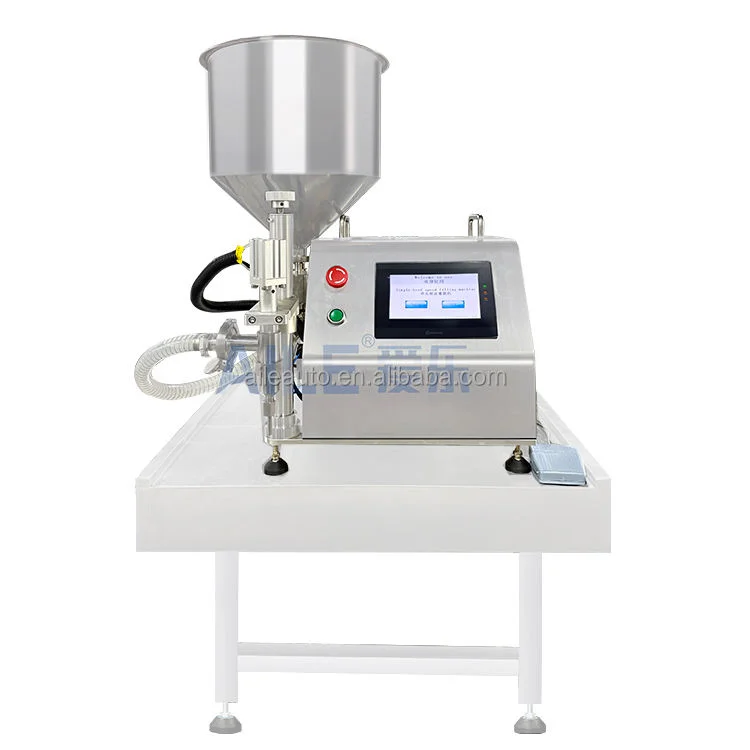
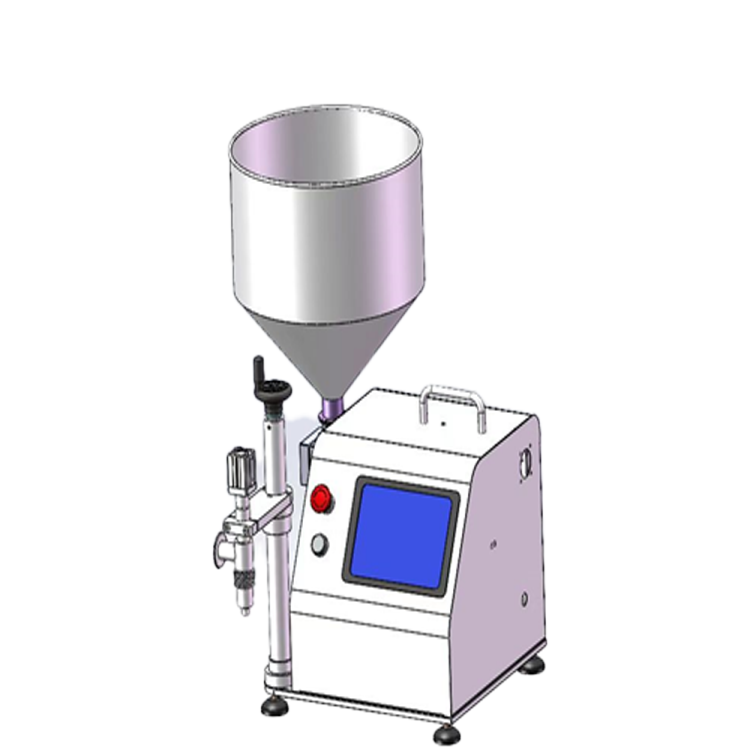
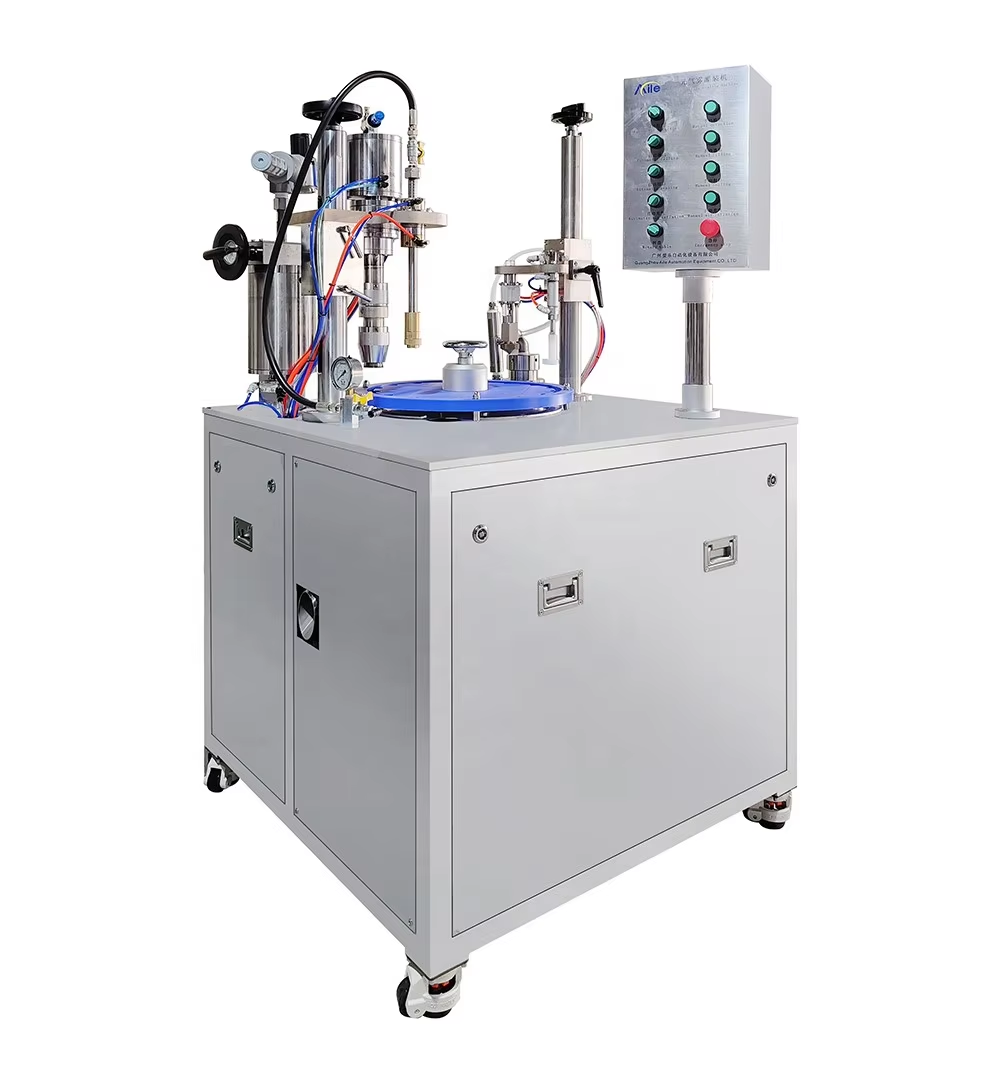
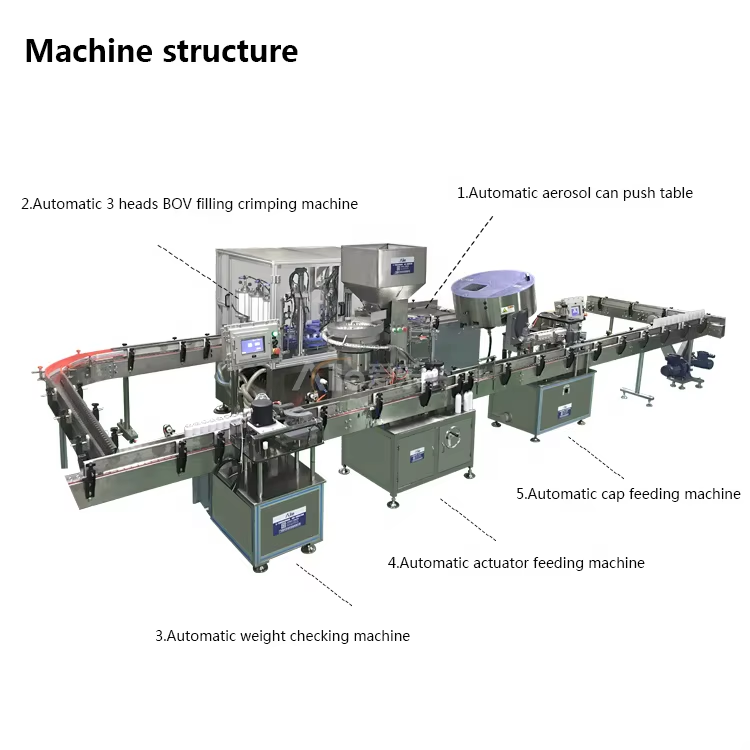
The Core Value of Auger Filling Machines: A Precise, Efficient, and Sustainable Productivity Engine
In modern industrial packaging, auger filling machines have evolved far beyond simple filling equipment to become essential tools for enhancing production line intelligence and economic efficiency. Their core value lies in precisely handling various non-free-flowing powdered and granular materials—such as spices, protein powders, flour, and chemical raw materials—with accuracy consistently maintained within ±0.5%. This capability significantly reduces product waste, directly safeguards corporate profits, and ensures compliance with stringent weight regulations (e.g., FDA standards), thereby mitigating legal and brand risks stemming from packaging inaccuracies.
Simultaneously, screw feeders demonstrate exceptional adaptability and flexibility. Through customizable screw, hopper, and discharge nozzle configurations, a single unit can handle diverse material forms—from fine powders and abrasive granules to viscous pastes—significantly expanding production line versatility. This “one machine, multiple uses” capability substantially boosts equipment ROI, making it particularly suited for small-to-medium batch production scenarios requiring frequent product switching.
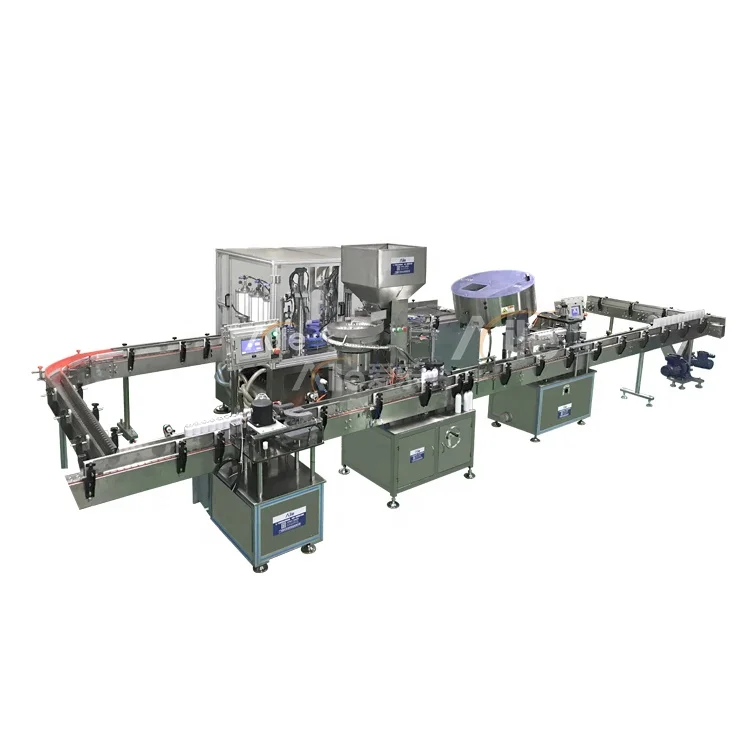
In terms of efficiency, the equipment significantly boosts packaging output through highly automated operation while reducing reliance on manual labor. Assembly line workers are freed from repetitive tasks to focus on higher-value activities, while the equipment itself maintains consistent, high-speed, and stable operation. This ensures output uniformity and minimizes downtime for maintenance and production interruptions.
Beyond this, the screw feeder plays a critical role in safeguarding product hygiene and safety. Typically constructed from food-grade stainless steel (304 or 316L) and designed with dead-zone-free, easy-to-clean structures, it complies with international standards like GMP and HACCP. Widely adopted in food, pharmaceutical, and health supplement industries, it fundamentally eliminates contamination risks and protects brand reputation.