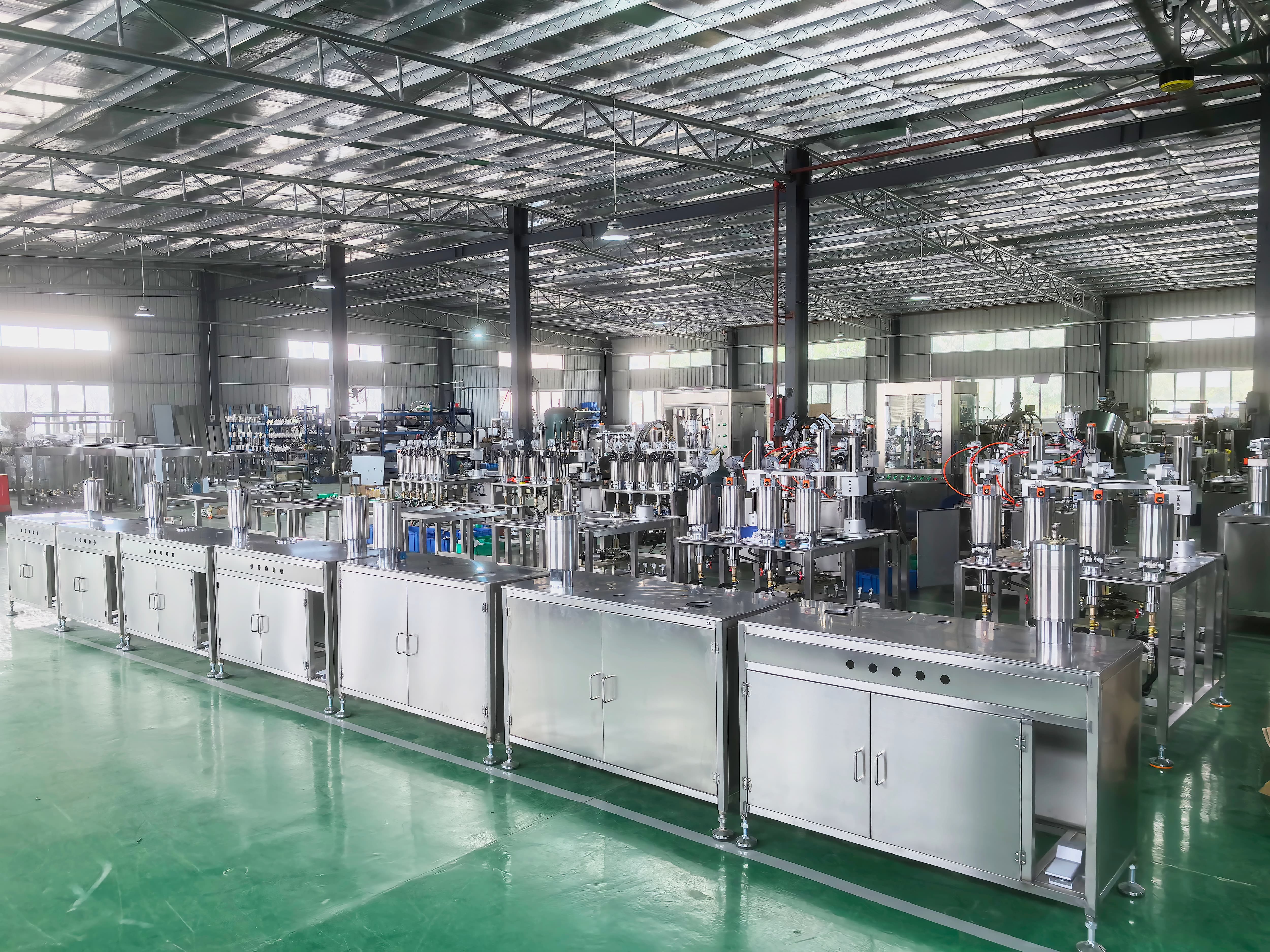
Revolutionizing Production Processes: How Automated Filling Equipment Becomes an Efficient Solution Across Multiple Industries
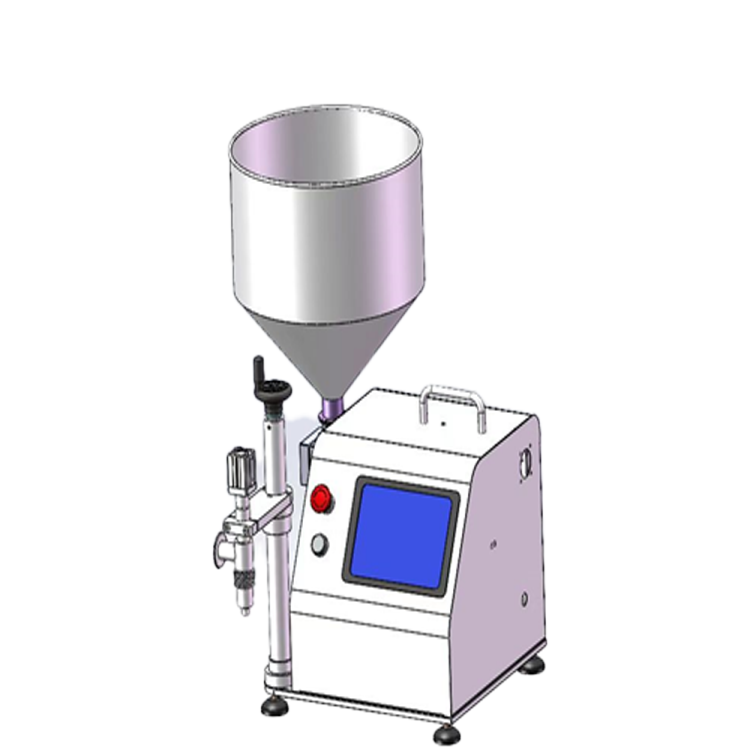
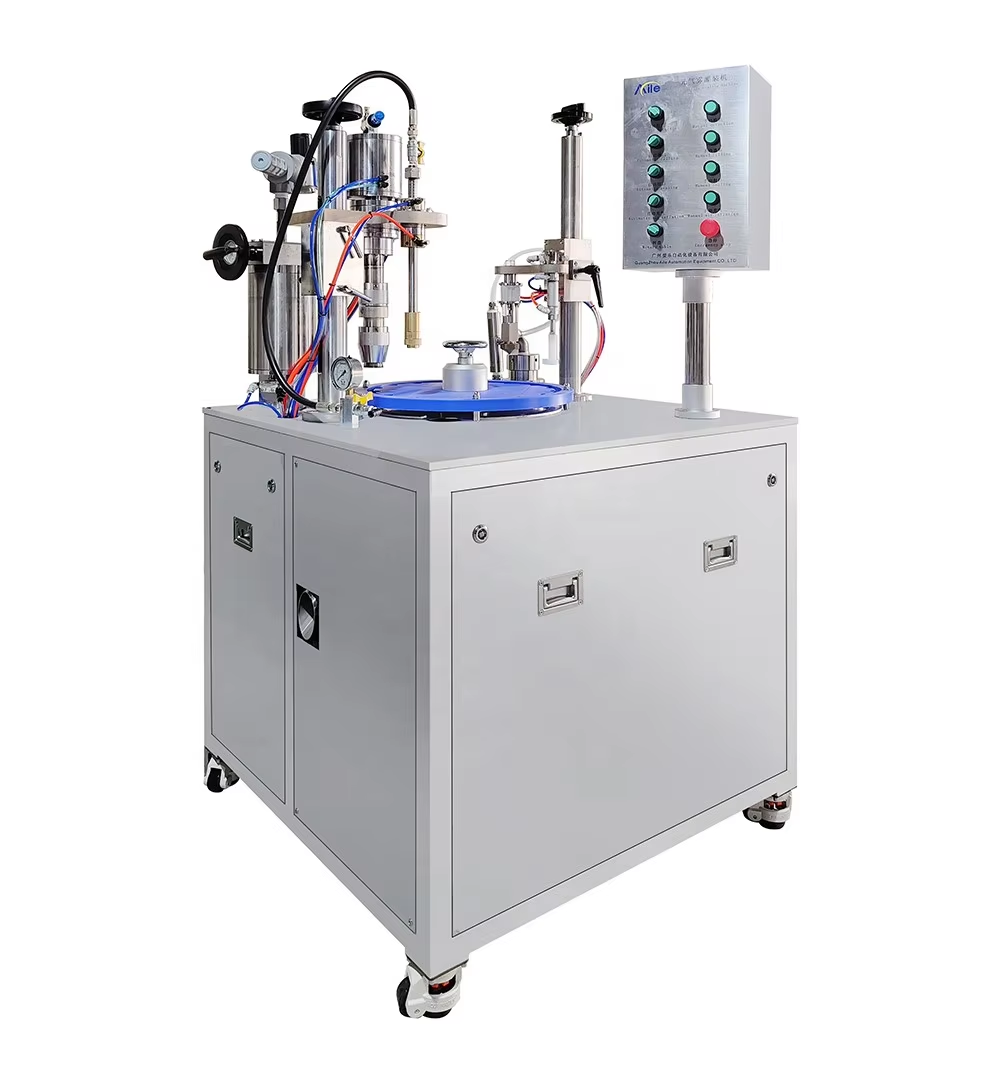
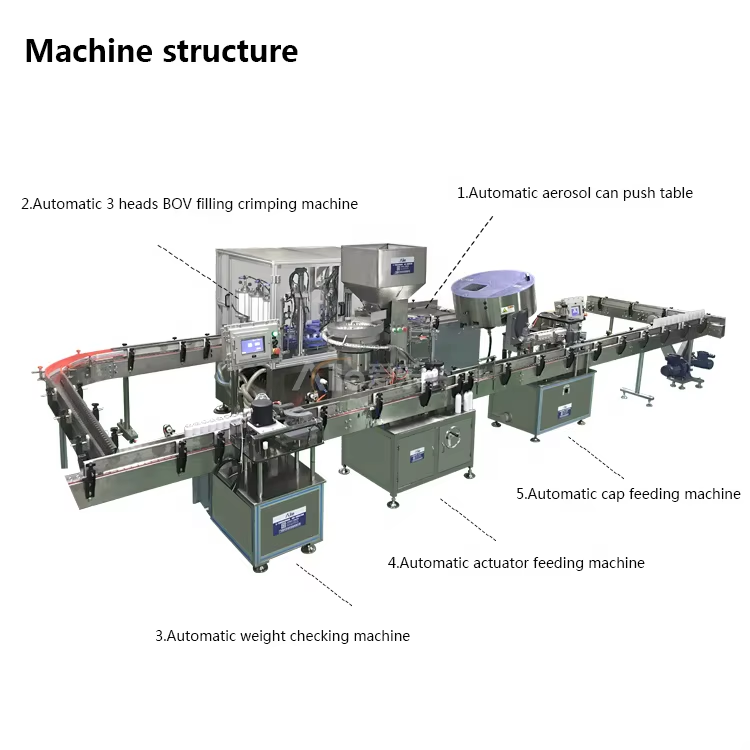
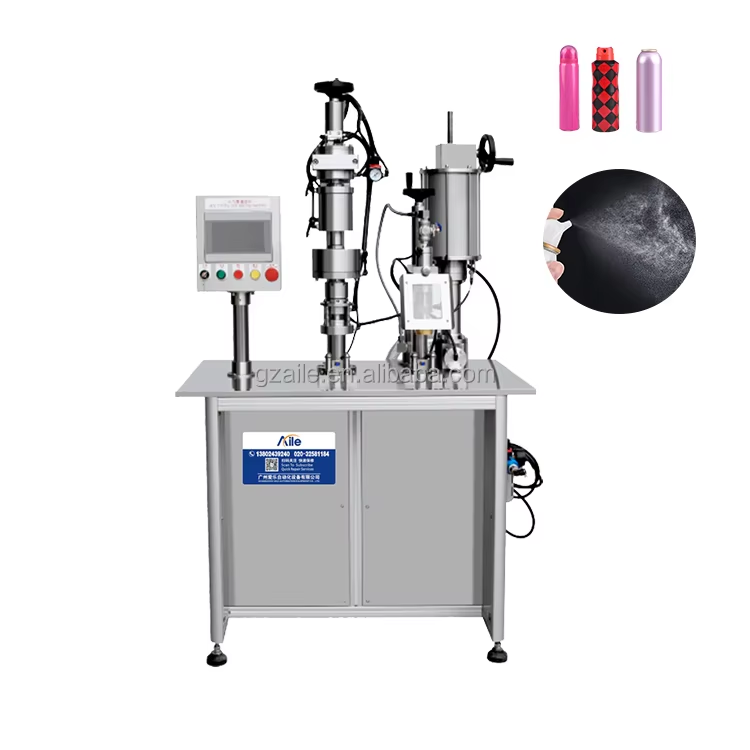
At the core of modern industrial production, automated filling equipment has emerged as a critical technological asset for enhancing efficiency, ensuring precision, and reducing costs. These systems are meticulously engineered to seamlessly integrate into diverse production lines, accommodating filling requirements across a wide viscosity range—from water-thin solvents to paste-like viscous materials. Through the coordinated operation of high-precision sensors and advanced control systems, automated filling equipment not only significantly reduces product waste and labor costs but also ensures consistency in every fill. This completely resolves the common issues of insufficient precision and production bottlenecks found in traditional manual filling.
The application scope of these devices is extremely broad, covering nearly all industries requiring liquid filling. In the food and beverage sector, automated filling systems are specifically designed for products like edible oils, beverages, dairy, and condiments. Constructed from food-grade stainless steel and equipped with CIP cleaning systems, they guarantee hygiene and safety. The pharmaceutical industry relies on these systems to fill sterile products such as injectables, vaccines, and eye drops, meeting stringent cGMP and FDA regulatory requirements. The cosmetics industry utilizes them to fill lotions, perfumes, and color cosmetics, ensuring both visually appealing packaging and consistent product quality. The chemical industry relies on them to process lubricants, detergents, solvents, and other products, employing corrosion-resistant materials and explosion-proof designs to guarantee operational safety. Furthermore, in the paint and ink sector, these systems efficiently handle high-viscosity materials, ensuring uniform pigment dispersion and precise filling.
With continuous technological advancements, modern automated filling equipment integrates smart features like IoT monitoring, data analytics, and remote diagnostics, further enhancing equipment intelligence and production efficiency. Whether meeting the aseptic filling requirements of large pharmaceutical enterprises or upgrading production lines for small cosmetic brands, automated filling equipment delivers tailored solutions that grant businesses critical competitive advantages in the marketplace. By minimizing human error, accelerating production speeds, and ensuring product consistency, these systems are redefining the standards and possibilities of modern industrial manufacturing.