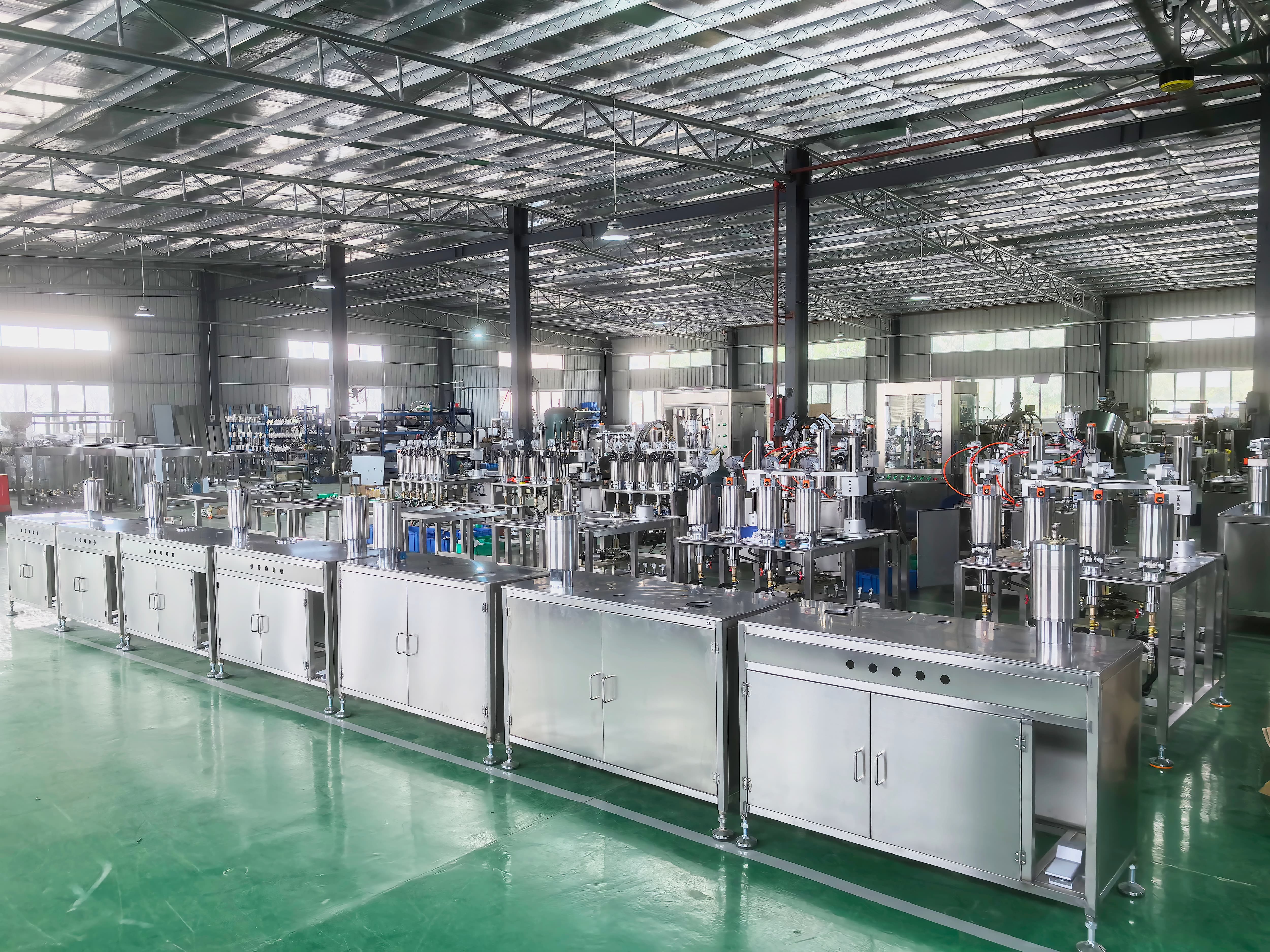
Fully Automatic Liquid Filling Machine: The Core Solution for Efficient and Precise Production
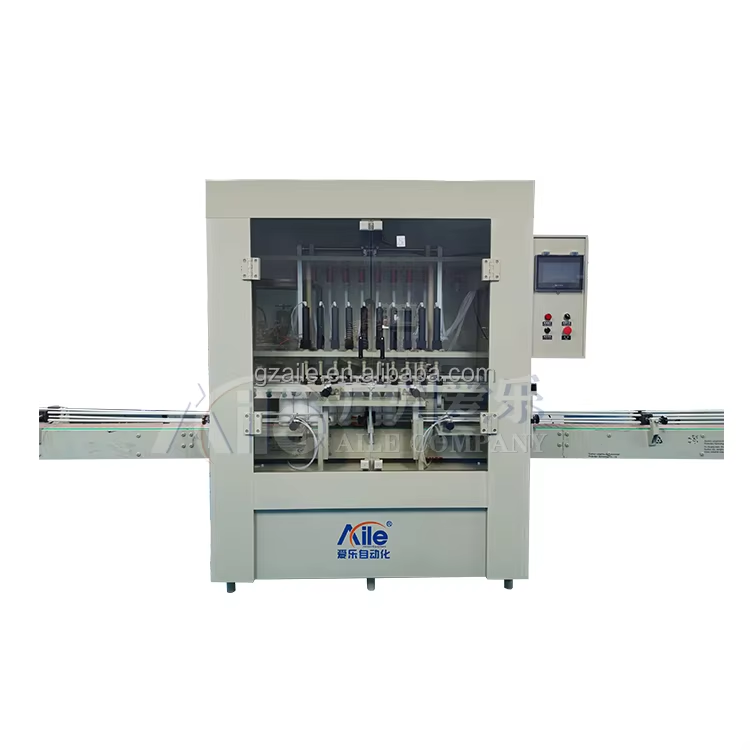
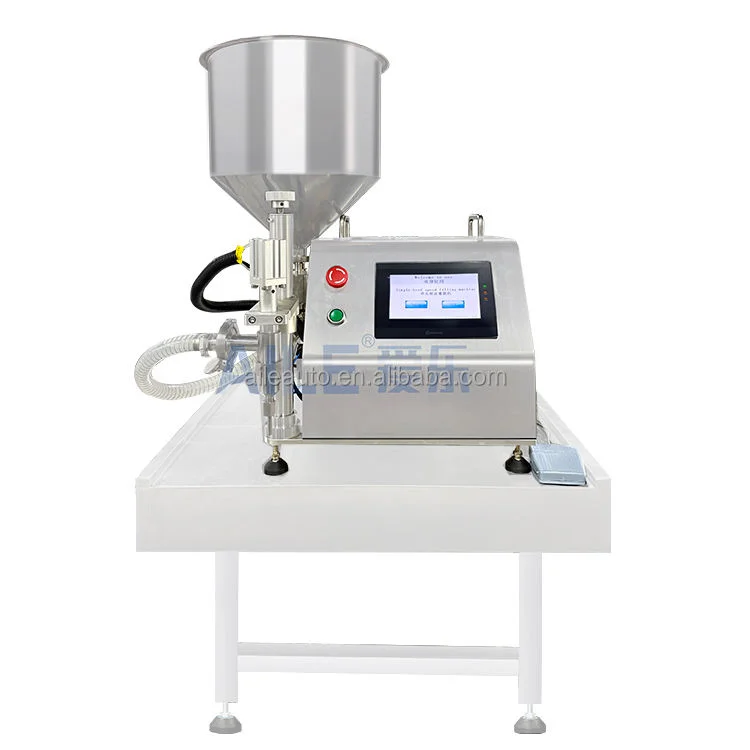
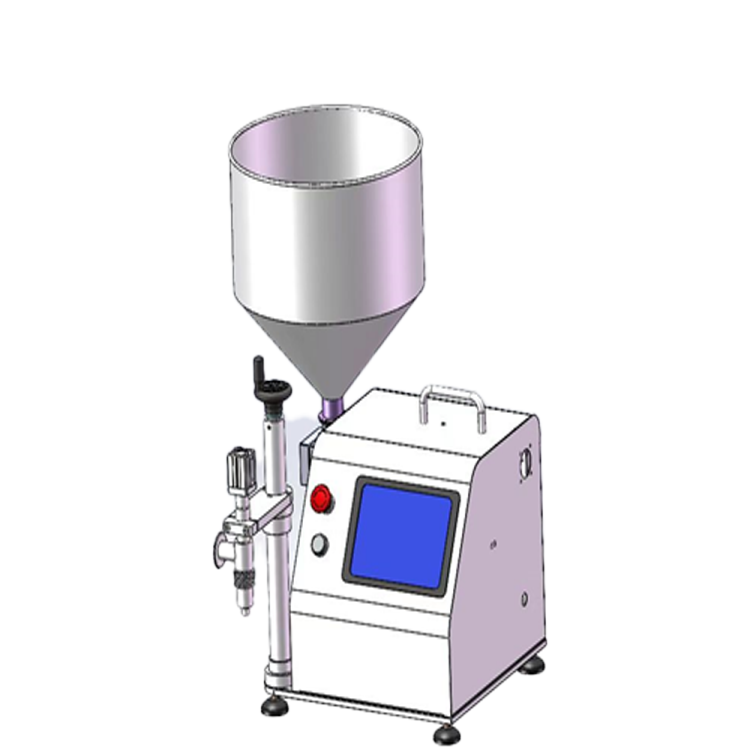
In modern industrial production, automated equipment has become a key tool for enhancing efficiency and ensuring quality. As a vital component, fully automatic liquid filling machines are widely adopted across multiple industries including food and beverage, pharmaceuticals, cosmetics, chemicals, and daily chemicals. Whether handling low-viscosity liquids like water and alcohol or high-viscosity pastes and oils, these machines deliver high-precision, high-speed filling operations. They significantly reduce manual intervention and contamination risks while substantially improving production line stability and consistency.
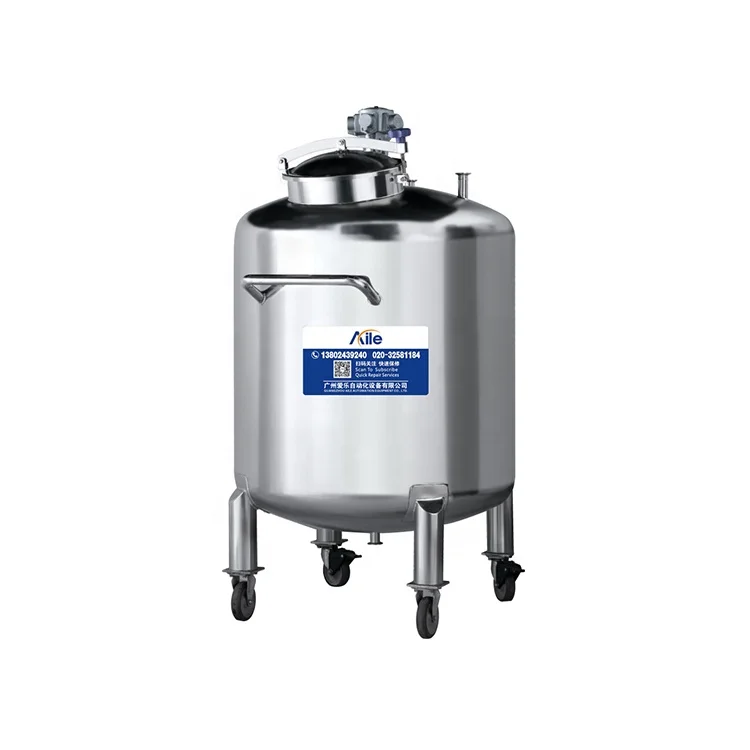
In the food and beverage sector, fully automatic liquid filling machines are used for products like juice, cooking oil, soy sauce, vinegar, yogurt, and liquid milk. These machines are typically constructed from food-grade stainless steel to meet hygiene standards and can be equipped with automatic cleaning systems to ensure sanitary and safe production processes. The pharmaceutical industry demands exceptional filling precision and sterile environments. These machines meet the filling requirements for pharmaceutical solutions, injections, oral liquids, and disinfectants. Certain models can operate within cleanrooms, adhering to GMP regulations. The cosmetics and personal care sectors similarly rely on such equipment for filling lotions, serums, shampoos, detergents, and other products, particularly suited for diverse container sizes and materials with varying viscosities.
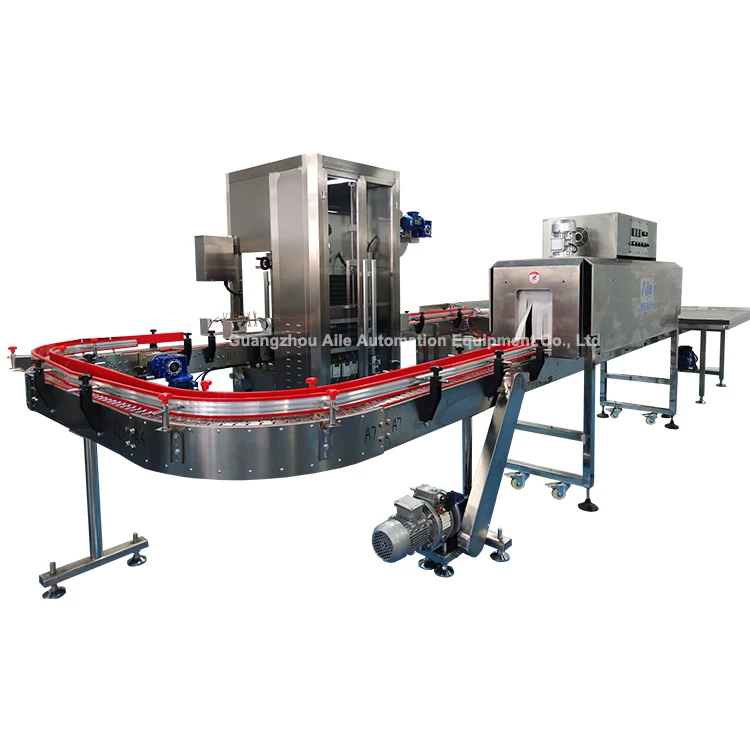
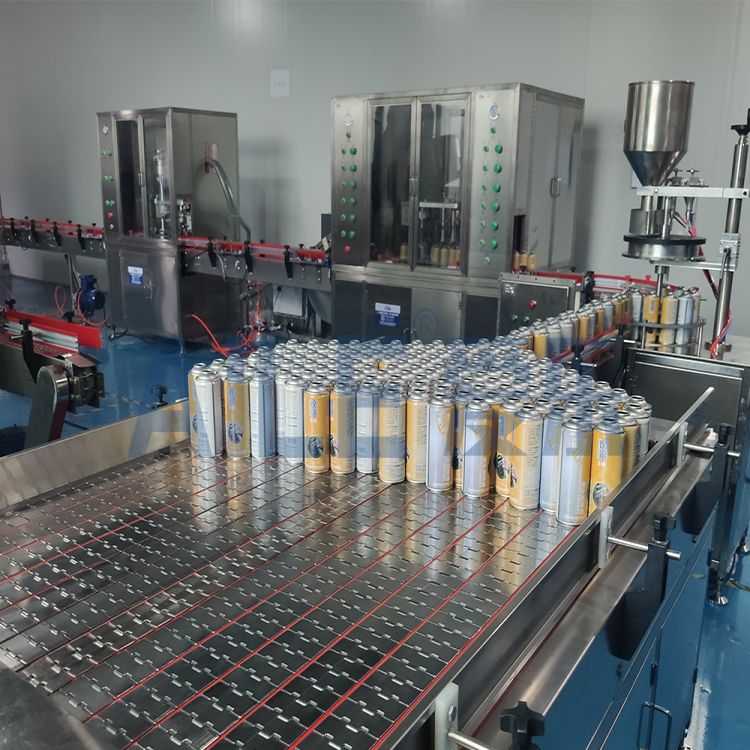
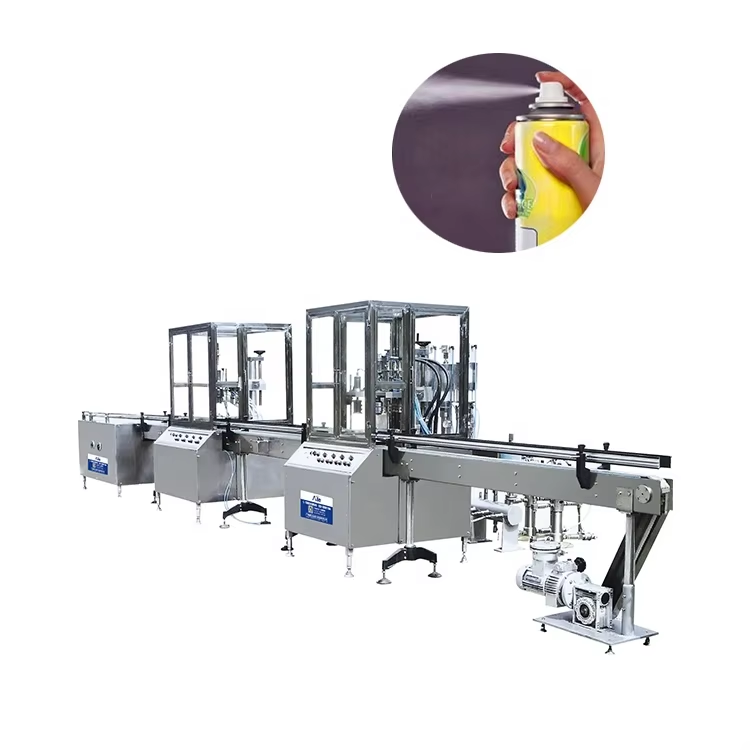
Furthermore, fully automatic liquid filling machines typically feature flexible adjustment capabilities, enabling rapid container size changes to adapt to multi-variety, small-batch production trends. Their core advantages include labor cost savings, reduced material waste, enhanced filling precision, and seamless integration with other automated equipment (such as labelers and cappers) on production lines, thereby helping enterprises achieve intelligent, continuous production. With the advancement of Industry 4.0 technologies, an increasing number of filling machines integrate IoT and data analytics capabilities, further optimizing production processes and enabling remote monitoring and maintenance.