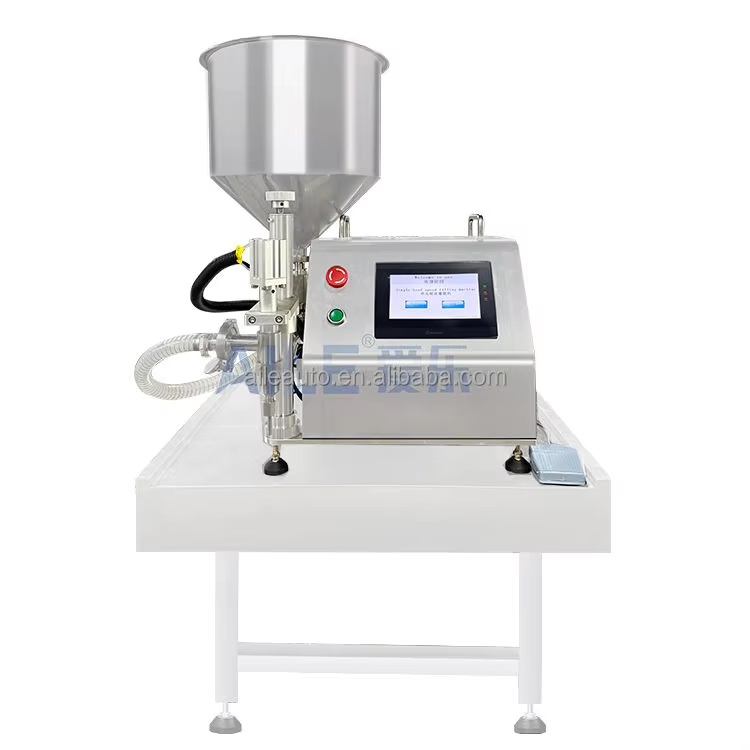
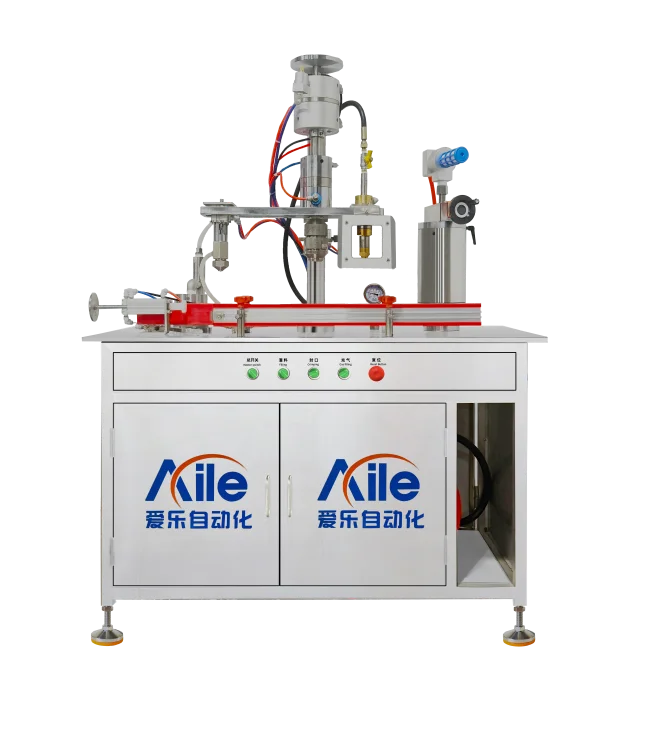
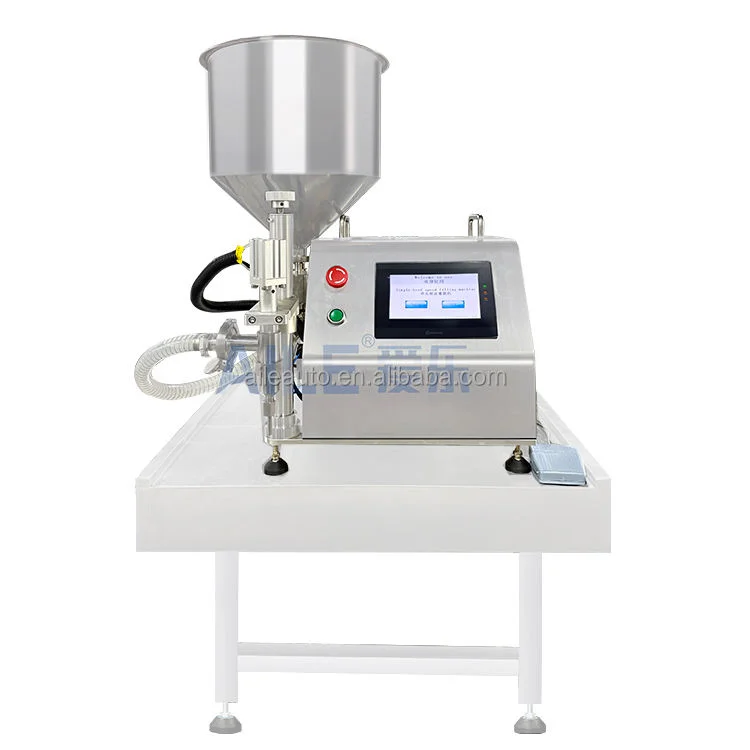
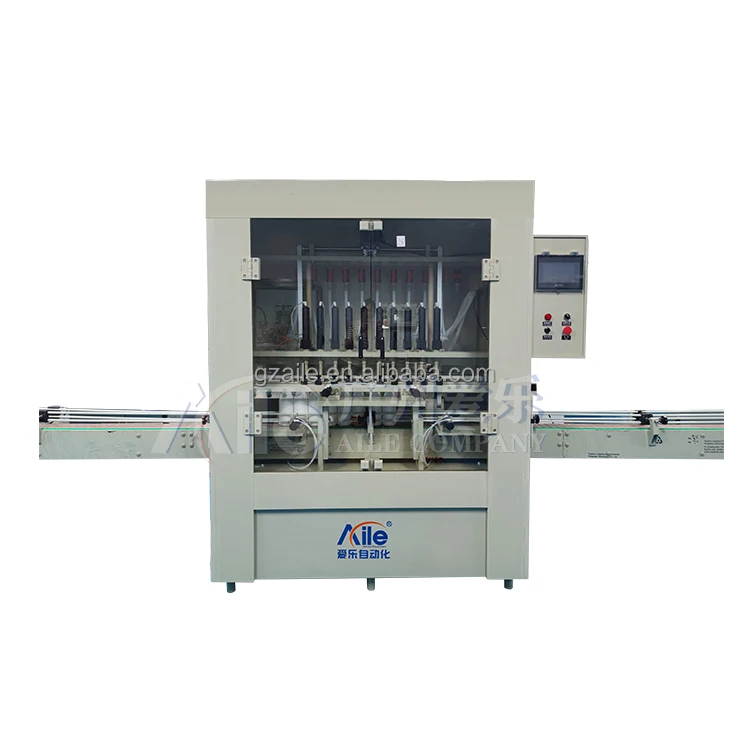
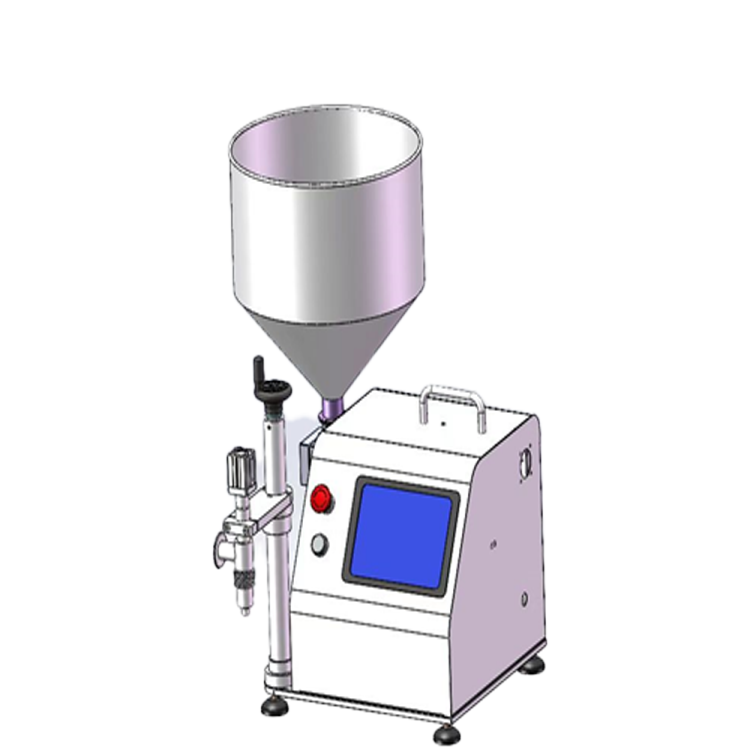
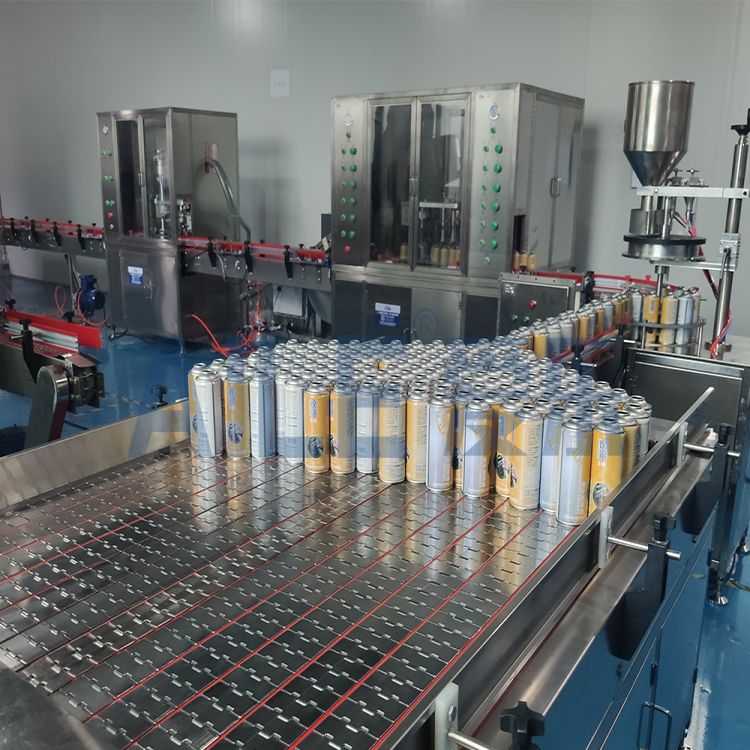
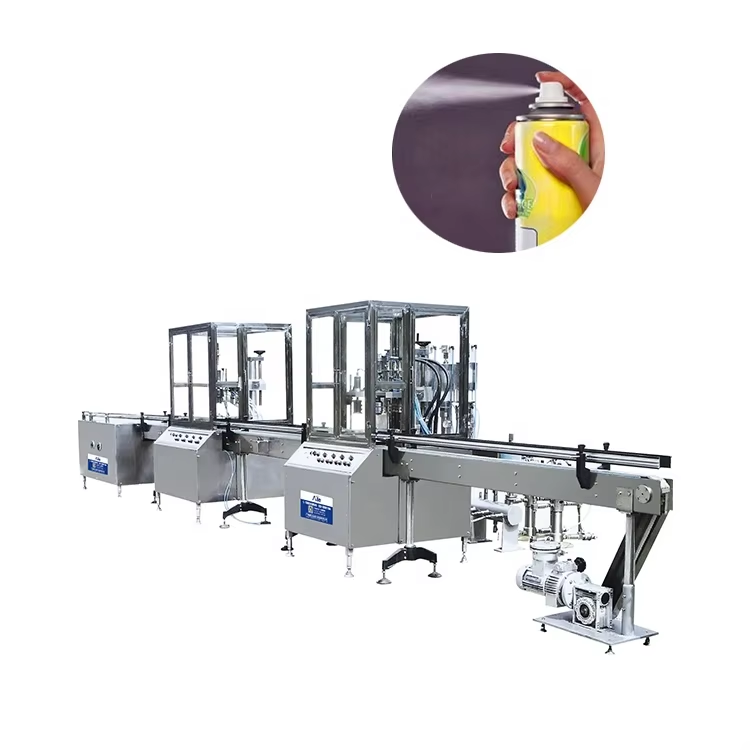
Liquid filling systems are far more than simple production equipment; they represent a core technology of vital importance in modern manufacturing, directly impacting a company's profitability, operational efficiency, and brand reputation. Their core value lies in ensuring that every bottle's fill volume strictly adheres to standards through high-precision, automated operations. This effectively prevents cost wastage from overfilling or customer complaints and compliance risks stemming from underfilling, thereby safeguarding the company's profit margins.
Simultaneously, liquid filling systems significantly boost production line throughput with their high-speed, stable operation, overcoming the speed limitations of traditional manual processes. This enables businesses to effortlessly meet growing market demands and achieve scalable growth. The system's design also offers high flexibility, accommodating liquids of varying viscosities and characteristics—from highly fluid solvents to high-viscosity pastes, and even particulate-containing fluids. Efficient and accurate filling is achieved by adjusting pump technologies (such as piston pumps, peristaltic pumps, gravity-fed pumps, etc.), providing robust technical support for corporate product innovation and diversified development.
In terms of product quality and safety, the filling system plays a particularly critical role. Especially in industries like pharmaceuticals, food, and cosmetics, systems typically employ sanitary-grade stainless steel materials and comprehensive CIP/SIP cleaning designs. This ensures the filling process occurs in a closed, contamination-free environment, complying with stringent industry standards like FDA and GMP to guarantee the safety and consistency of the final product. This commitment to quality is not only a compliance requirement but also the cornerstone for continuously earning consumer trust and shaping a professional brand image.
Investing in an advanced liquid filling system is essentially investing in a company's future competitiveness. It serves not only as a core component of the production process but also as a vital safeguard for achieving excellence in quality control, cost optimization, market responsiveness, and brand development.