Precision, Efficiency, Compliance: How Vial Filling Machines Become the Cornerstone of Pharmaceutical Production
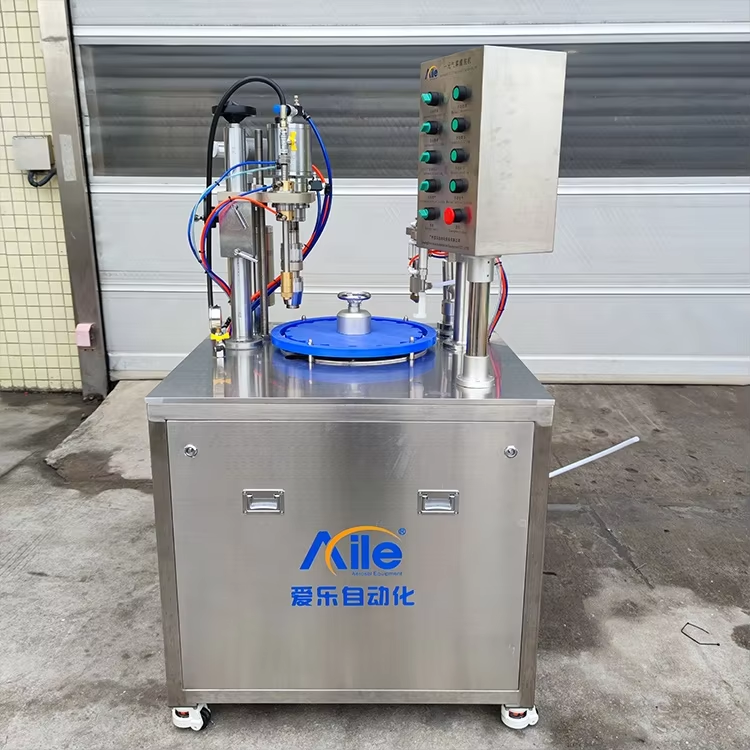
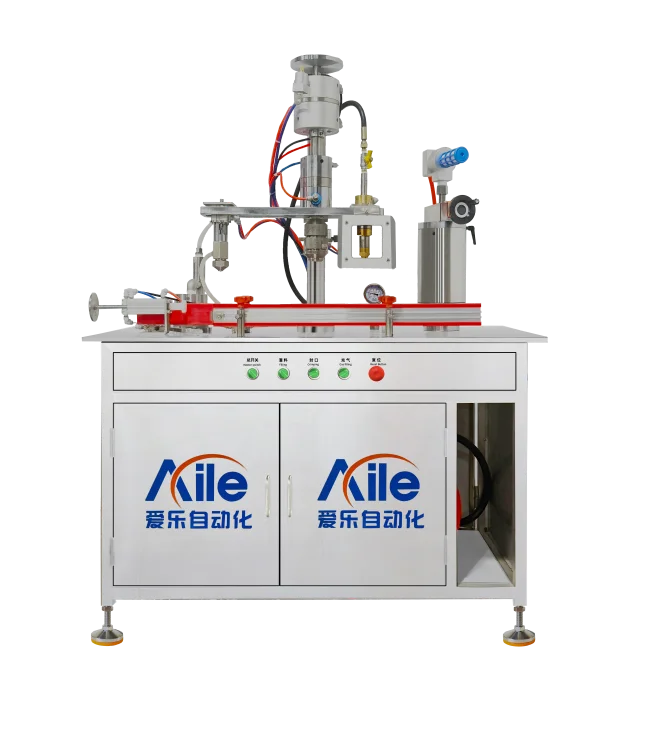
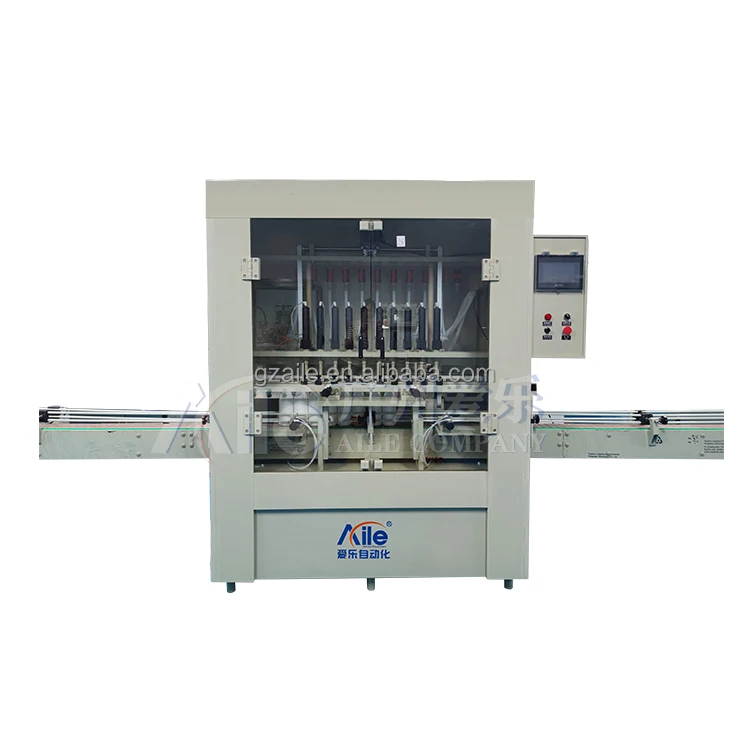
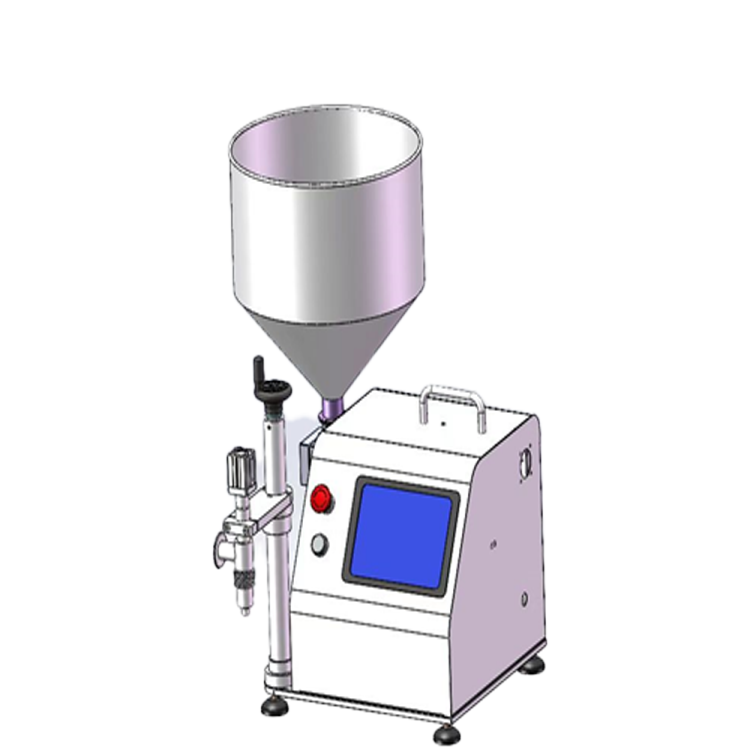
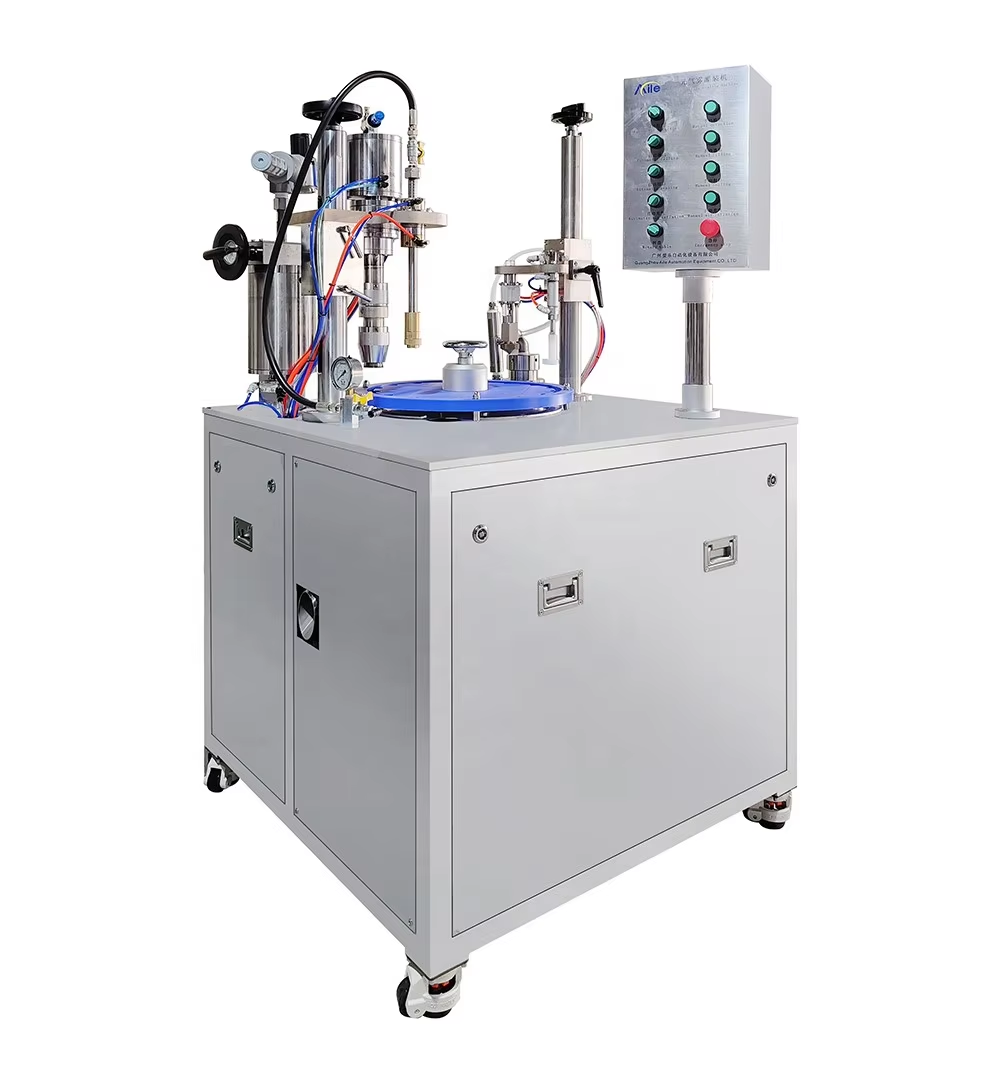
In highly regulated industries such as modern pharmaceuticals, biotechnology, and cosmetics, vial filling machines are far more than a simple production step—they serve as critical control points determining product safety, efficacy, and corporate profitability. Through high-precision pumping technologies like peristaltic pumps and rotary piston pumps, it ensures each vial receives an exact volume of liquid, completely eliminating risks of overfilling or underfilling. This guarantees every patient receives the precisely specified effective dose. Simultaneously, these devices are engineered for aseptic processing, maintaining a sterile barrier throughout the entire process. This effectively prevents microbial contamination, ensuring absolute sterility for sensitive products like injectables and vaccines. Constructed from high-grade stainless steel like 316L and compliant sealing materials, they also eliminate potential risks from leachables and extractables affecting drug components.
Beyond safeguarding product integrity and patient safety, vial filling machines are pivotal for enterprises to achieve operational excellence and enhance profitability. High-speed automated systems significantly boost output per unit time, meeting urgent production schedules while reducing bottlenecks. Precise filling control and integrated recovery systems minimize waste of expensive, critical bulk drug substances, protecting valuable production yields. Furthermore, the equipment is engineered for rapid production format and batch changeovers, featuring Clean-in-Place (CIP) and Sterilize-in-Place (SIP) capabilities that drastically reduce downtime and maximize production line efficiency.
Facing stringent global regulatory requirements, the design and manufacturing of vial filling machines prioritize compliance as a fundamental principle. They are engineered from the ground up to meet current Good Manufacturing Practice (cGMP) and Good Laboratory Practice (GLP) standards, facilitating approval from global regulatory bodies such as the U.S. FDA and European EMA. Integrated software options provide complete electronic records (e.g., fill volumes, batch reports), enabling full traceability and meeting audit requirements to strongly support compliance with regulations like 21 CFR Part 11. Comprehensive validation documentation and refined design features also significantly streamline Installation Qualification (IQ), Operational Qualification (OQ), and Performance Qualification (PQ) processes.
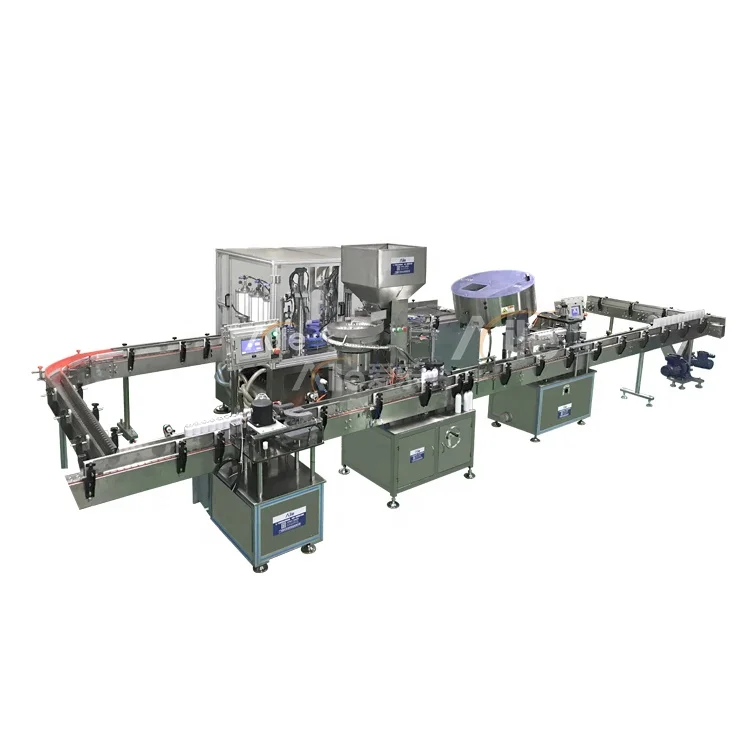
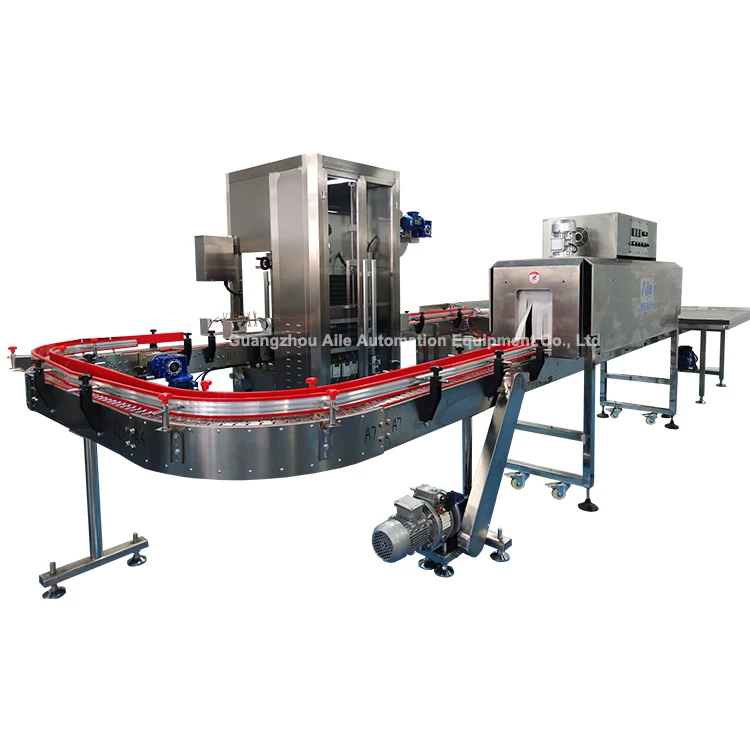
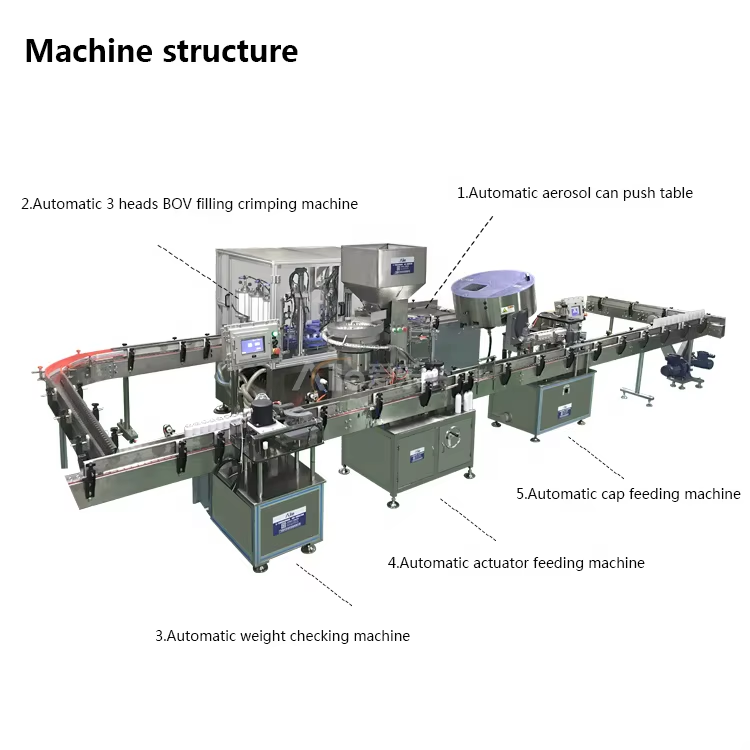
Ultimately, investing in a high-performance vial filling machine represents a long-term investment in product quality, brand reputation, and operational future. Its modular design and exceptional flexibility enable seamless adaptation to various vial sizes, materials (glass, polymers), and sealing types (rubber stoppers, caps), while integrating with upstream equipment (washers, pyrogen removal tunnels) and downstream systems (stoppering, capping, freeze dryers). It scales flexibly with your needs, from R&D to large-scale commercial production. It is the foundational core technology enabling you to deliver on your health and wellness promises safely, reliably, and efficiently.