The Core Value of Water Bag Filling Machines: Smart Manufacturing Solutions for Enhanced Efficiency, Quality, and Sustainability
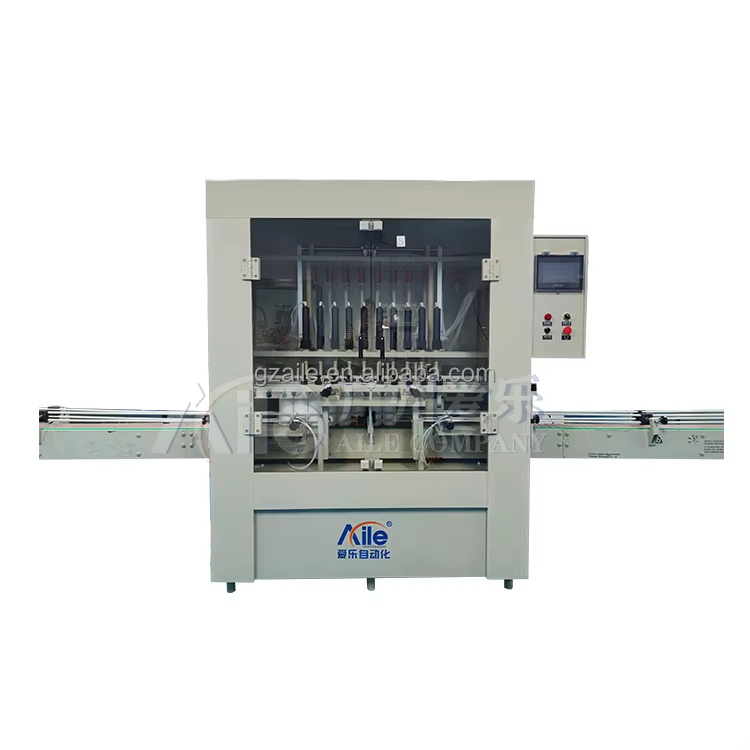
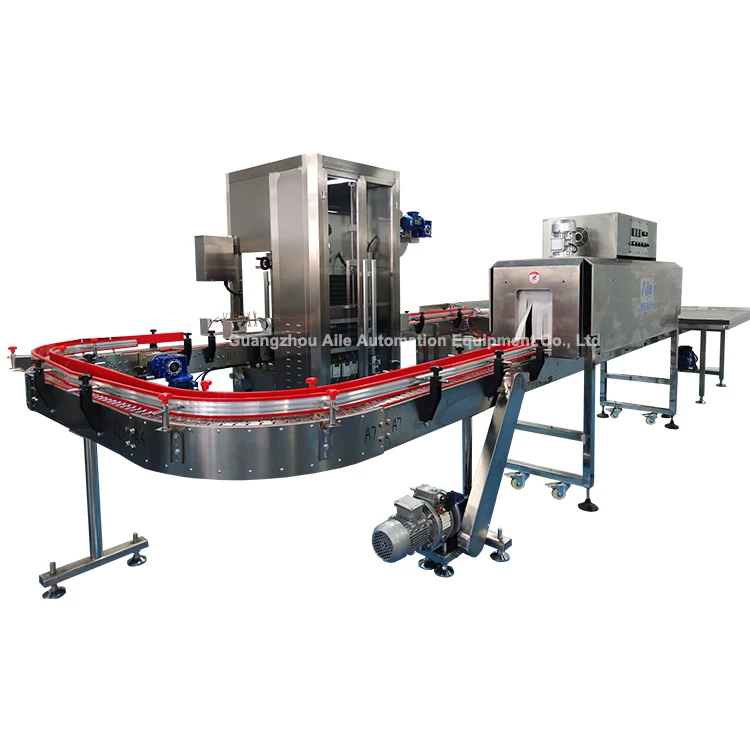
In today's fiercely competitive market environment, water bag filling machines have long transcended their basic functions to become the strategic core for enterprises achieving automated, scaled, and intelligent production. Their primary value lies in completely revolutionizing traditional inefficient manual or semi-automatic filling methods. Through highly automated mechanical operations, they consistently achieve high-speed production of thousands of bags per hour, significantly expanding a company's production capacity and delivery capabilities. This enables businesses to effortlessly handle large-scale order demands, laying a solid foundation for business expansion.
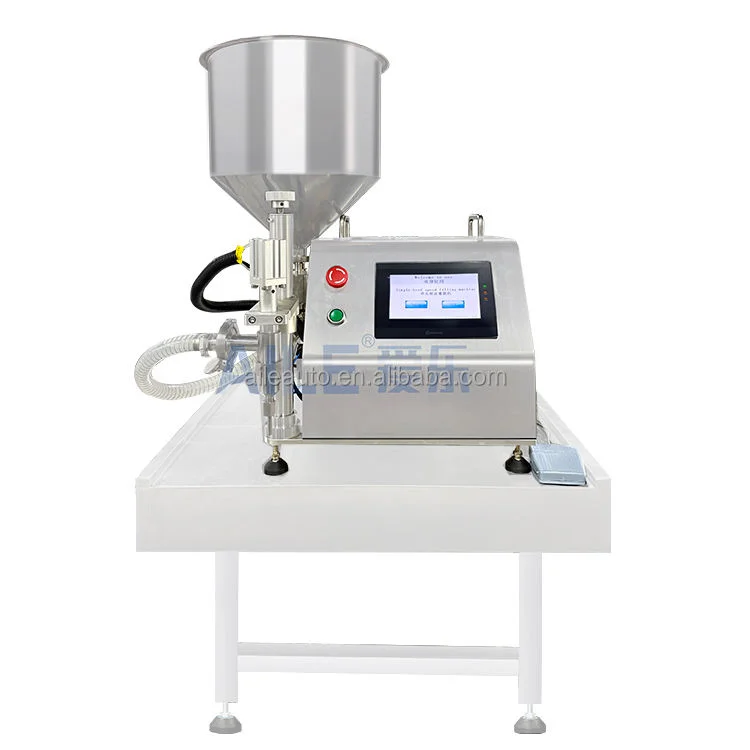
More importantly, this equipment serves as the most reliable safeguard for product quality and hygiene. Constructed from food-grade stainless steel with precision engineering, it ensures full compliance with stringent sanitation standards throughout production. Through accurate volumetric filling and a stable heat-sealing system, each bag achieves consistent weight, flawless sealing, and zero leakage—the pinnacle of quality. This effectively eliminates contamination risks and quality fluctuations inherent in manual operations, thereby protecting brand reputation and consumer trust.
From an ROI perspective, the pouch filling machine represents a highly efficient investment that significantly reduces long-term operational costs. By minimizing reliance on extensive labor and drastically cutting product wastage and material loss from packaging errors, it directly boosts corporate profit margins. Simultaneously, its output features uniformly professional and aesthetically pleasing packaging, reinforcing the brand's premium image in the end-market and serving as a silent marketing ally that helps brands stand out in a sea of homogenous competition.
Moreover, modern water bag filling machines typically offer exceptional flexibility and adaptability. They can swiftly adjust to accommodate packaging requirements for varying sizes and materials—such as Liden bags and stand-up pouches—and even extend to filling liquid products like juices and electrolyte beverages. This adaptability enables businesses to respond nimbly to market shifts, launch new products, and seize emerging growth opportunities.
Finally, this equipment aligns with contemporary sustainability principles. Its precise filling technology minimizes resource waste, while the pouch packaging it produces typically uses less plastic and is lighter than traditional rigid containers. This reduces carbon emissions during transportation and lowers the environmental footprint across the entire product lifecycle. Therefore, investing in a water pouch filling machine is not only a wise move to enhance business competitiveness but also a crucial step toward fulfilling corporate social responsibility and advancing green manufacturing.