
Understanding Bag-on-Valve Technology for Skincare Applications
Bag-on-Valve (BOV) technology represents a significant advancement in aerosol packaging, particularly for moisturizing skin sprays and other sensitive personal care formulations. Unlike conventional aerosol systems that mix the product directly with a liquefied propellant gas, a bag on valve filling machine places the product inside a multi-layer laminated bag within the can, with compressed air or nitrogen as the propellant occupying the space between the bag and the can wall. This separation of product and propellant provides three critical advantages for skincare products: the formulation never contacts the propellant, eliminating chemical interaction concerns; the product can be dispensed at any angle, including upside down, providing convenient application; and the system operates at lower internal pressure, allowing the use of standard aluminum or tinplate cans without the thick walls required for high-pressure aerosol systems. For moisturizing sprays that contain sensitive active ingredients such as hyaluronic acid, vitamin C, or botanical extracts, BOV packaging preserves formulation integrity while delivering a consistent fine mist that enhances the consumer experience.
Technical Operation of a Bag-on-Valve Filling Machine
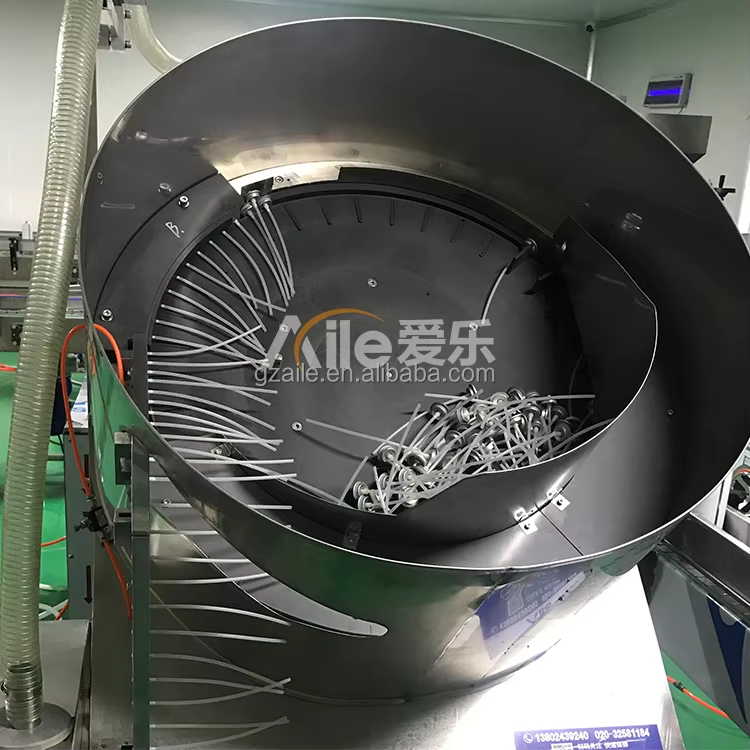
The bag on valve filling machine executes a multi-step process that differs fundamentally from conventional aerosol filling. First, the pre-assembled bag-and-valve assembly is inserted into the empty can, and the valve is partially crimped onto the can curl to hold it in place. The filling machine then injects the liquid product through the valve stem into the bag using a precision liquid filling head, with fill volumes typically ranging from 30ml to 300ml for personal care applications. After the bag is filled, the machine completes the final crimp to seal the valve permanently onto the can. Finally, compressed air or nitrogen is injected through the base of the can or through a separate gassing port around the valve, pressurizing the space between the bag and the can wall to typically 6 to 10 bar. The entire sequence requires precise coordination between liquid filling, crimping, and gassing stations, with the AL-BOV-B model from manufacturers such as Guangzhou Aile Automation Equipment Co., Ltd. representing a semi-automatic implementation of this technology suitable for small to medium production volumes.
Why BOV Is Particularly Suited for Moisturizing Skin Spray Products
Moisturizing skin sprays present specific formulation and packaging requirements that make BOV technology particularly advantageous. These products often contain heat-sensitive ingredients that would degrade if exposed to the elevated temperatures that occur during conventional hot-fill aerosol processing. The BOV filling process operates at ambient temperature, preserving the efficacy of delicate active ingredients. Additionally, moisturizing sprays require a fine, consistent mist pattern for even application on the face and body; BOV systems deliver a spray quality comparable to pump sprayers but with the continuous, even discharge that consumers prefer for facial application. The absence of chemical propellants also means the product contains no propellant odor or residue, which is essential for fragrance-free or naturally scented skincare formulations. For brands marketing clean, natural, or preservative-free moisturizing sprays, BOV packaging provides a hermetically sealed environment that prevents microbial ingress throughout the product's shelf life without requiring high levels of preservatives.
Production Considerations for BOV Skincare Spray Manufacturing
Manufacturers considering BOV production for moisturizing sprays should evaluate several process-specific factors. The bag and valve assembly represents a significant per-unit packaging cost compared to conventional aerosol components, typically 15 to 30 percent higher, though this is often offset by the premium positioning that BOV packaging enables. The production rate of a semi-automatic bag on valve filling machine typically ranges from 600 to 1,200 units per eight-hour shift, compared to 2,000 to 3,000 units for a similarly configured conventional aerosol filler, due to the additional steps involved in bag insertion and multi-stage crimping. Quality control for BOV production must include bag integrity testing at the component receiving stage, crimp dimension measurement using a crimp micrometer at production intervals, and hot water bath leak testing of finished products. Many manufacturers also perform 24-hour elevated temperature storage tests on statistical samples to verify long-term seal integrity before releasing production batches.
Comparing BOV with Conventional Aerosol and Pump Spray Systems for Skincare
The choice between BOV, conventional aerosol, and pump spray packaging for moisturizing sprays involves trade-offs across product protection, user experience, and production complexity. Conventional aerosol systems provide the lowest packaging cost and highest production speeds but expose the product to propellant contact and require the use of flammable liquefied gases for most formulations, creating safety and regulatory concerns. Pump spray systems avoid propellants entirely but require preservatives to prevent microbial growth in the non-pressurized container, and the spray pattern degrades as the bottle empties. BOV technology occupies the premium middle position, providing the continuous fine mist of an aerosol without the chemical propellant exposure, the hermetic protection that reduces preservative requirements, and the 360-degree dispensing convenience that enhances the consumer experience. For moisturizing skin sprays positioned at mid to premium price points, the incremental packaging cost of BOV is typically justifiable based on the formulation protection and consumer experience benefits.
Supplier Evaluation for BOV Filling Equipment
Selecting a bag on valve filling machine supplier requires evaluating both the equipment and the packaging component ecosystem. The machine should be capable of handling the specific bag-and-valve combinations available from established BOV component suppliers, as compatibility between filling heads, crimping collets, and valve specifications is critical to achieving reliable seal integrity. The supplier should provide documented setup parameters for commonly used bag-and-valve types and offer technical support for qualification of new component combinations. After-sales support should include remote diagnostics capability, as crimping and gassing parameter adjustments often require supplier expertise. Guangzhou Aile Automation Equipment Co., Ltd., with ISO 9001 and CE certifications and equipment exported to over 60 countries, provides semi-automatic BOV filling machines including the AL-BOV-B model, and can supply the complementary conventional aerosol filling equipment that many manufacturers need for product lines that combine BOV and conventional aerosol formats.
Questions and Answers
What is the difference between BOV and conventional aerosol filling for skincare products?
In conventional aerosol filling, the product is mixed directly with a liquefied propellant gas inside the can, meaning the product contacts the propellant and the mixture is dispensed together. In BOV filling, the product is contained in a sealed multi-layer bag inside the can, with compressed air or nitrogen pressurizing the space around the bag. The product never contacts the propellant, preserving formulation integrity and eliminating propellant odor.
Can a BOV filling machine also handle conventional aerosol products?
Some filling machines can be configured for both BOV and conventional filling by changing the filling head, crimping collet, and gassing adapter setup. However, the changeover process typically requires 2 to 4 hours and specialized tooling. Most manufacturers who produce both BOV and conventional products maintain separate dedicated filling stations for each format to avoid the downtime and setup complexity of frequent changeovers.
What quality checks are most important for BOV moisturizing spray production?
The three most critical quality checks are bag integrity testing upon receiving packaging components, crimp dimension measurement during production using a calibrated crimp micrometer to verify that the valve crimp meets the valve and can manufacturer specifications, and hot water bath leak testing at 55 degrees Celsius for finished products to identify any slow leaks that might not be visible at room temperature. Statistical sampling for 24-hour elevated temperature storage provides additional confidence in long-term seal performance.
Table of Contents
- Understanding Bag-on-Valve Technology for Skincare Applications
- Technical Operation of a Bag-on-Valve Filling Machine
- Why BOV Is Particularly Suited for Moisturizing Skin Spray Products
- Production Considerations for BOV Skincare Spray Manufacturing
- Comparing BOV with Conventional Aerosol and Pump Spray Systems for Skincare
- Supplier Evaluation for BOV Filling Equipment
- Questions and Answers