
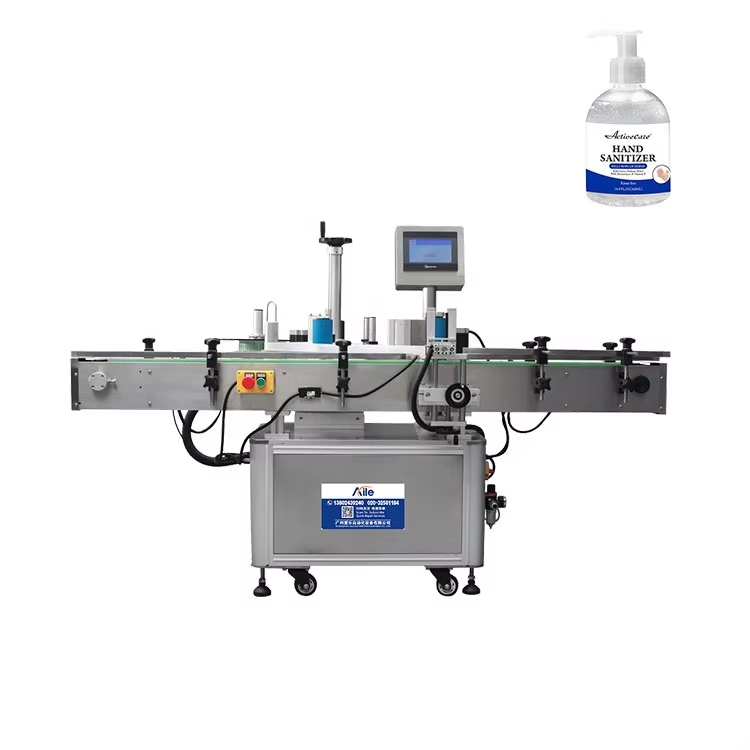
What Is a Standard Aerosol Filling Machine and How Does It Work?
Core Components and Functionality of the Aerosol Filling Machine
The standard aerosol filling machine takes care of putting products into containers under pressure, whether it's sprays, foams, or liquid goods. What makes these machines work are three main parts: first, there's the filling head which gets just the right amount of product out each time, then comes the propellant system that adds the necessary gas pressure inside, and finally the valve crimper that seals everything tight so nothing leaks out. All these parts line up on a conveyor belt where containers move through several steps, one after another starting from when they get loaded all the way to when labels get applied at the end. These systems are built to handle pretty much anything from beauty products right down to heavy-duty industrial stuff. Most models can crank out around 250 to 500 cans every hour depending on what exactly needs to go in them. And because manufacturers know how often requirements change, the machines come apart easily so adjustments can be made quickly whenever new container sizes appear or when thicker products need special handling without wasting too much time getting things ready.
The Propellant Injection System and Its Role in Reliable Filling
Propellant injection systems keep aerosols performing consistently by adding liquefied gases such as butane or propane into filled cans along with compressed air when needed. This creates the right amount of pressure so products can spray properly. More sophisticated setups now incorporate closed-loop sensors that measure how much propellant goes in with remarkable accuracy around plus or minus 1 percent. Getting this right prevents problems where cans don't spray at all because they're not pressurized enough, or worse still become dangerous if too much pressure builds up inside. The level of control these systems offer extends product shelf life significantly while ensuring customers get what they expect every time they use the product. For businesses operating in highly regulated fields like medicine manufacturing or car paint application, having this kind of precision isn't just nice to have; it's practically mandatory for compliance reasons.
Comparison with Specialty Models: Where the Standard Excels
Specialty aerosol filling machines do handle those specific situations where things get really tricky, like dealing with super-thick materials or needing sterile conditions for medical products. But for most regular production work, standard models actually make more sense from a budget standpoint. The upfront costs are about half to two-thirds cheaper compared to those custom-built systems, plus finding replacement parts isn't such a headache since they're commonly stocked everywhere. A recent look at what's happening in the industry shows that around four out of five manufacturers stick with standard equipment because these machines can handle different products without much hassle and meet all the necessary ISO 9001 requirements. Plus, when workers don't have to spend ages learning how everything works, companies can scale operations much quicker when expanding into new territories.
Cost-Effectiveness and Long-Term Return on Investment
Balancing Initial Investment with Operational Savings
Most standard aerosol filling machines start paying for themselves somewhere between 18 to 24 months once they cut down on those big operational expenses. The newer energy-efficient pneumatics really make a difference too, cutting power usage around 35% less than what we saw with older versions. And let's not forget about those precision filling valves that keep propellant waste under control at just 1.5% per canister maximum. Manufacturers love modular designs because they allow for step-by-step upgrades rather than throwing out the whole system when something breaks down. This means longer life spans for the equipment overall. Looking at the bigger picture, standard systems tend to save companies about 40% in costs over five years when compared against custom-built options, especially important for facilities running medium volume production lines day after day.
Reduced Labor and Maintenance Costs Over Time
Switching to automated batch processing cuts down on manual work by about 72% when compared with semi-automated systems. This makes a big difference as labor costs keep climbing around the world, having gone up 6.2% last year according to ILO reports. When it comes to standardized components, these bring additional cost benefits too. They help reduce what companies need to keep in their spare parts stockpiles by nearly 30%, based on Machinery Digest data from 2023. Repairs take much less time overall, dropping from an average of 4.5 hours down to just under 2 hours. Plus, there are no extra charges for special tools that only certain manufacturers can use anymore either.
Meeting Safety, Compliance, and Industry Standards
Navigating DOT, FDA, and EPA Regulations in Aerosol Packaging
Most standard aerosol filling machines are built to follow important regulations from government agencies. These include the U.S. Department of Transportation rules for pressure vessels, the FDA's safety standards for materials used in food contact applications, and environmental protection agency guidelines regarding what gets released into the air during production. The machines typically come equipped with pressure sensors that constantly check for issues, plus automatic systems that can spot leaks before they become problems. This helps satisfy the specific requirements outlined in 49 CFR §173.306 from the DOT. Meanwhile, manufacturers make sure all parts that touch the product itself are made from stainless steel that passes the FDA's strict sanitation tests under CFR Title 21. Getting these details right isn't just about paperwork; it actually keeps operations running smoothly and safely.
Role of Packaging Suppliers in Ensuring Regulatory Compliance
Reputable aerosol packaging suppliers provide pre-tested canisters with ASME-certified pressure ratings and UN/DOT specification markings. This partnership enables standard filling machines to sustain throughput rates above 150 cans per minute while automatically rejecting non-compliant containers via integrated vision inspection systems, ensuring end-to-end regulatory adherence.
FAQ
What is a standard aerosol filling machine?
A standard aerosol filling machine is equipment that handles the filling of aerosol products into containers under pressure. It's used for a range of items like sprays, foams, and liquid goods by utilizing a filling head, propellant system, and valve crimper.
How does automation benefit aerosol filling operations?
Automation increases speed and capacity by performing repetitive tasks like lining up valves faster than manual labor, boosting production throughput, enhancing accuracy, and reducing errors, improving overall efficiency.
How do aerosol filling machines adhere to safety and compliance standards?
Machines are designed to meet safety regulations set by agencies like DOT, FDA, and EPA. This includes pressure sensor integration, leak detection systems, and using materials that comply with sanitation and safety standards.