
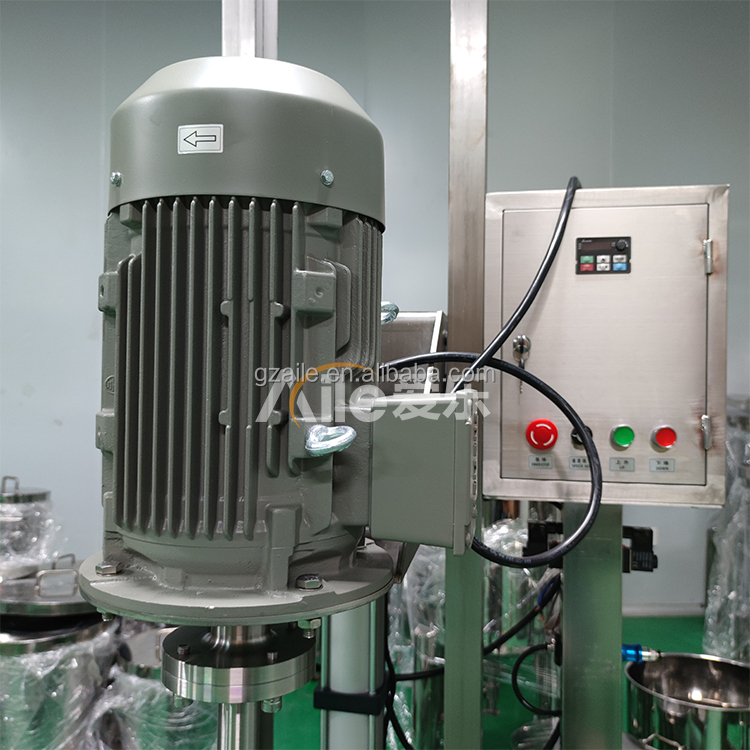
Understanding the Role of Semi-Automatic Filling in Paint Aerosol Production
For paint and coatings manufacturers, achieving consistent fill weight, proper propellant charging, and reliable crimping in aerosol cans represents one of the most critical quality control challenges in the production line. Inconsistent filling leads to product returns, brand reputation damage, and regulatory non-compliance, particularly when dealing with solvent-based paints that require precise ratio control between concentrate and propellant. A manual filling machine with semi-automatic control bridges the gap between fully manual bench-top operations and expensive fully automatic lines, offering manufacturers a practical entry point into aerosol paint production with measurable quality improvements. These systems allow operators to set filling parameters while the machine handles the critical steps of liquid dosing and crimping with repeatable accuracy, reducing the variability inherent in purely hand-operated processes.
Key Technical Features That Impact Paint Filling Quality
When evaluating a manual filling machine for paint aerosol production, several technical specifications directly determine output quality. The liquid filling head should be constructed from stainless steel 304 or 316 to resist corrosion from solvent-based paint formulations, which often contain acetone, xylene, or toluene. Filling accuracy typically falls within plus or minus 1 percent of target volume, a critical parameter when filling 200ml to 600ml aerosol cans where overfill wastes expensive paint concentrate and underfill risks customer complaints. The crimping station must deliver consistent collet closure force to ensure the valve is properly seated on the can curl, preventing propellant leakage that would render the product unusable within weeks of packaging. For paint applications specifically, the filling system should include a drip-free nozzle design to prevent product residue from contaminating the can exterior, which is especially important for colored paints where visual cleanliness directly affects perceived product quality.
Comparing Semi-Automatic, Manual, and Fully Automatic Paint Filling Approaches
Paint manufacturers evaluating filling equipment face a meaningful decision between manual, semi-automatic, and automatic systems. A fully manual operation requires the operator to control every step including liquid dosing, valve placement, crimping, and propellant gassing, which introduces significant variability and limits output to roughly 200 to 400 cans per day. At the other end, fully automatic rotary filling lines can achieve 3,000 to 8,000 cans per hour but require capital investments that often exceed the budget of small to medium paint brands or contract fillers. A manual filling machine with semi-automatic pneumatic controls occupies the middle ground, typically delivering 800 to 1,500 cans per eight-hour shift with one to two operators, while maintaining fill weight consistency within acceptable tolerance ranges. This option allows producers to scale production gradually while maintaining product quality standards, making it a strategic choice for companies transitioning from manual production or entering new regional markets.
Practical Application Scenario for Industrial Paint Manufacturers
Consider a medium-sized industrial paint manufacturer in Southeast Asia that produces specialty anti-rust spray paints for the automotive aftermarket. The company previously relied on three operators using manual filling stations, experiencing a rejection rate of approximately 8 percent due to inconsistent fill weights and occasional crimping failures. After adopting a semi-automatic manual filling machine solution with pneumatic liquid dosing and electric crimping control, the company reduced its rejection rate to below 2 percent while increasing daily output by approximately 40 percent with the same workforce. The key improvement came from the machine's ability to standardize the critical filling and crimping parameters, removing operator judgment from the most quality-sensitive steps while still allowing manual can loading and unloading that kept labor costs manageable. This type of practical application demonstrates how semi-automatic filling equipment addresses the real-world quality consistency challenges that industrial paint manufacturers face.
Material Compatibility and Maintenance Considerations for Paint Filling Equipment
Paint formulations vary widely in viscosity, solid content, and chemical aggressiveness, making material compatibility a primary consideration when selecting filling equipment. Solvent-based paints require seals and gaskets made from PTFE or Viton rather than standard nitrile rubber, which would swell and degrade upon contact with common paint solvents. Water-based latex paints present different challenges, primarily related to drying and clogging within the filling nozzle if production pauses exceed 15 to 20 minutes. A well-designed manual filling machine for paint applications should feature quick-disconnect filling heads that allow operators to flush the system with cleaning solvent between color changes or at the end of each shift. Regular maintenance should include daily inspection of seal integrity, weekly verification of fill weight calibration using a precision scale, and monthly examination of crimping collet wear. These maintenance practices ensure consistent filling quality over the equipment's service life, which for properly maintained stainless steel filling machines typically exceeds 10 years in a production environment.
Evaluating Suppliers of Semi-Automatic Paint Aerosol Filling Equipment
When selecting a supplier for paint aerosol filling equipment, manufacturers should verify several key credentials beyond the machine specifications themselves. The supplier should hold ISO 9001 quality management certification, which indicates systematic quality control over manufacturing and assembly processes. CE certification demonstrates compliance with European safety and performance standards, an important consideration for equipment that handles flammable propellants such as butane or propane. Guangzhou Aile Automation Equipment Co., Ltd., as a manufacturer holding both ISO 9001 and CE certifications, produces semi-automatic aerosol filling machines including models such as the AL-QWJ-AA designed for liquid filling applications across paint, cosmetic, and household chemical sectors. The company's equipment has been exported to over 60 countries, providing buyers with a track record that can be referenced when evaluating supply reliability. Prospective buyers should request documented filling accuracy test results for their specific product formulation, inquire about after-sales technical support availability in their region, and verify spare parts supply commitments before finalizing a purchase.
Questions and Answers
What is the typical production capacity of a semi-automatic paint spray filling machine?
A semi-automatic manual filling machine for paint aerosols typically produces 800 to 1,500 cans per eight-hour shift with one to two operators, depending on can size, product viscosity, and operator experience. This output sits between fully manual operations at 200 to 400 cans per day and fully automatic lines that can exceed 3,000 cans per hour.
How do I prevent paint from drying inside the filling nozzle during production pauses?
The most effective strategy is to use a filling machine with a quick-disconnect nozzle design that allows the operator to flush the liquid path with cleaning solvent within 15 to 20 minutes of any production pause. For water-based paints, a small solvent reservoir connected to the filling circuit enables automated flushing between batches. For solvent-based paints, the solvent itself acts as a cleaning agent, but nozzles should still be purged at the end of each shift to prevent residue accumulation.
What certifications should I look for when purchasing a paint aerosol filling machine?
The supplier should hold ISO 9001 certification for quality management and CE certification for equipment safety compliance, particularly important when dealing with flammable propellants. Additionally, the machine's electrical components should meet the standards of the destination country, such as UL certification for the North American market or CCC certification for China. Buyers should also request material certificates for any product-contact parts to verify compatibility with their specific paint formulation.
Table of Contents
- Understanding the Role of Semi-Automatic Filling in Paint Aerosol Production
- Key Technical Features That Impact Paint Filling Quality
- Comparing Semi-Automatic, Manual, and Fully Automatic Paint Filling Approaches
- Practical Application Scenario for Industrial Paint Manufacturers
- Material Compatibility and Maintenance Considerations for Paint Filling Equipment
- Evaluating Suppliers of Semi-Automatic Paint Aerosol Filling Equipment
- Questions and Answers