
The Production Bottleneck: Why Shampoo and Detergent Filling Demands Specialized Equipment
Shampoo, liquid soap, and detergent manufacturers face a common production dilemma: their formulations combine surfactants, thickeners, and conditioning agents that behave differently during filling than simple liquids. Foaming during filling is a persistent issue. Surfactant-rich formulas tend to aerate when pumped through narrow tubing or when splashing into containers, creating inconsistent fill levels and requiring settling time that slows production. Viscosity variations across product lines, from thin clarifying shampoos at 500 centipoise to thick creamy body washes at 5,000 centipoise, demand a cosmetic filling machine capable of handling a wide viscosity range without constant recalibration. Production managers who invest in machines specifically designed for surfactant-based liquid cosmetics gain efficiency by eliminating foam interference, maintaining fill accuracy across viscosity ranges, and reducing downtime between product changeovers.
Anti-Foam Filling Technology and Level Control Systems
The most significant technical feature of a shampoo and liquid soap filling machine is its anti-foam filling system. These systems use diving nozzles that descend into the container during filling and retract upward as the liquid level rises, keeping the nozzle tip always at or just below the product surface. This sub-surface filling technique prevents the splashing and air entrapment that cause foam formation. When combined with positive-displacement piston or gear pumps, the anti-foam nozzles maintain fill accuracy within plus or minus 1 percent even for foam-prone formulations. Advanced systems also incorporate capacitance or pressure-based level sensors that detect foam versus liquid, ensuring the fill stops at the correct product level rather than being fooled by foam head at the container neck. For manufacturers running a single cosmetic filling machine across multiple product types, these features reduce the need for operator intervention and post-fill foam settling.
Mix Tank Integration and Viscosity Management for Detergent Products
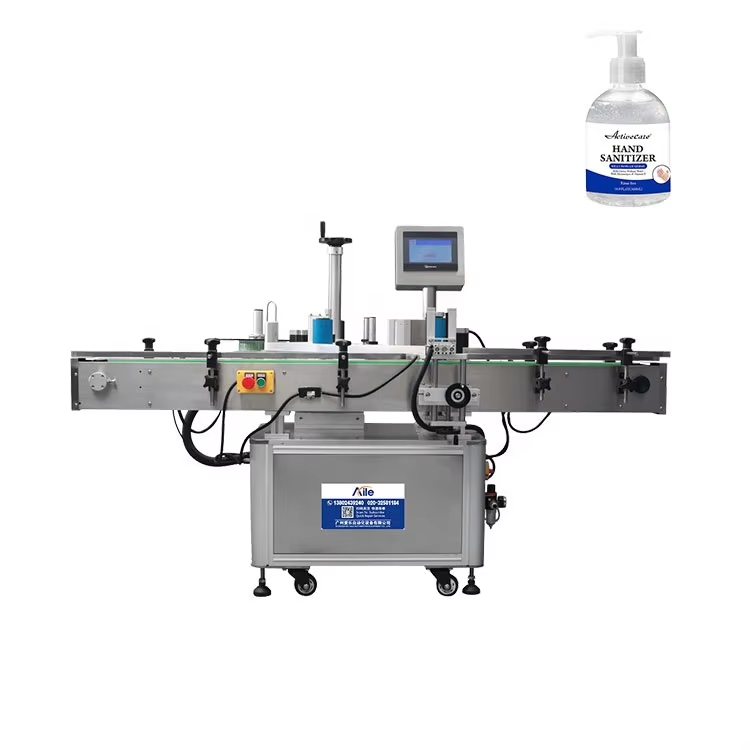
Shampoo and liquid detergent production does not begin at the filling nozzle. Most facilities prepare their formulations in mixing vessels upstream, where ingredients are combined, heated if necessary, and homogenized before transfer to the filling machine hopper. Efficient production requires seamless integration between the mixing tank and the filling station. Manufacturers like Guangzhou Aile Automation Equipment offer integrated systems that connect emulsifying mixers directly to cosmetic filling machines, often with inline filtration and magnetic separation to remove any metal contaminants before filling. For high-viscosity detergents, the transfer system may include jacketed pipes and positive-displacement transfer pumps to maintain product temperature and prevent settling. This integration eliminates the manual material handling step of transferring finished product, which is both labour-intensive and risks introducing contamination during the open transfer process.
Application Example: Scaling Shampoo Production from Manual to Automatic Filling
A personal care manufacturer producing sulfate-free shampoo in 250ml and 500ml PET bottles started with a simple time-based gravity filler that required constant operator adjustment. Foam buildup during filling resulted in under-filled bottles requiring manual top-off, reducing effective throughput from a theoretical 1,200 bottles per hour to an actual 700 to 800 bottles per hour. The foaming also caused inconsistent cap sealing because shampoo residue on the bottle threads prevented proper seal formation. After switching to a six-head automatic cosmetic filling machine with diving anti-foam nozzles, throughput stabilized at 1,800 to 2,200 bottles per hour with fill-level consistency within the target range on over 99 percent of bottles. The diving nozzle action also kept product off the bottle threads, reducing capping-related defects by an estimated 70 percent. This case demonstrates how investing in filling technology designed for surfactant-based products addresses both speed and quality in a single upgrade.
Selecting the Right Filling Machine for Multi-Product Cosmetic Lines
Cosmetic manufacturers that produce multiple product types, such as shampoos, body washes, and conditioners, on the same line should evaluate filling machines with quick-change features and recipe-based control systems. Recipe-based systems store filling parameters such as fill volume, pump speed, nozzle dive depth, and anti-foam delay timing for each product SKU, allowing operators to switch between products in under five minutes by selecting a recipe on the touchscreen interface. Multi-head filling configurations also increase flexibility. A six-head filler can be programmed to run all six heads for high-speed single-product runs or to run different fill volumes on alternating heads when running two products simultaneously. Buyers should also verify that the cosmetic filling machine contact parts are compatible with the pH range of their products, as some surfactant formulations can be mildly acidic or alkaline, and standard 304 stainless may require upgrading to 316L for corrosive products.
Cost-Per-Unit Analysis and Long-Term Efficiency Gains
When evaluating the investment in an automatic shampoo and detergent filling machine, production managers should consider total cost per filled unit rather than equipment purchase price alone. Manual and semi-automatic filling operations carry hidden costs that automatic systems reduce or eliminate. Product waste from foam overflow, splashing, and inconsistent fills typically accounts for 3 to 5 percent of production volume in manual operations, dropping below 1 percent with automatic diving-nozzle systems. Labour costs decrease as one operator can monitor an automatic line that previously required two to three staff. Quality control rework, including bottle top-off and cap resealing, is substantially reduced. For a facility filling 100,000 bottles per month, reducing product waste by 3 percent at a product cost of 2 dollars per bottle translates to 72,000 dollars in annual material savings alone. When combined with labour savings and reduced rework, the payback period on an automatic cosmetic filling machine often falls within 12 to 18 months, depending on production volume.
Frequently Asked Questions
How does a diving nozzle prevent foam during shampoo filling?
Diving nozzles descend into the container and retract upward as the liquid level rises, keeping the nozzle tip just below the product surface. This sub-surface filling eliminates splashing and air entrapment, the two primary causes of foam formation in surfactant-based liquids.
Can one filling machine handle shampoos, body washes, and liquid detergents?
Yes, modern cosmetic filling machines with recipe-based controls can store parameters for multiple products. Operators switch between products by selecting a saved recipe, with changeover typically taking under five minutes. Viscosity range compatibility should be verified, as thick detergents may require different pump configurations than thin shampoos.
What is the typical payback period for upgrading to an automatic shampoo filling machine?
For facilities filling 50,000 to 100,000 bottles per month, the combined savings from reduced product waste, lower labour costs, and decreased rework typically achieve payback within 12 to 18 months. Facilities running higher volumes or higher product costs see faster returns.
Table of Contents
- The Production Bottleneck: Why Shampoo and Detergent Filling Demands Specialized Equipment
- Anti-Foam Filling Technology and Level Control Systems
- Mix Tank Integration and Viscosity Management for Detergent Products
- Application Example: Scaling Shampoo Production from Manual to Automatic Filling
- Selecting the Right Filling Machine for Multi-Product Cosmetic Lines
- Cost-Per-Unit Analysis and Long-Term Efficiency Gains
- Frequently Asked Questions